An international team of scientists is calling for a coordinated global effort to rescue, conserve and make better use of vegetable biodiversity, warning that food systems are becoming increasingly dependent on a narrow range of widely cultivated crops.
In a study published in the Proceedings of the National Academy of Sciences (PNAS), the researchers highlight overlooked vegetables including spider plant in Africa, bitter gourd in Asia and slippery cabbage in the Pacific as potential tools for improving diets and strengthening agriculture against climate change.
Vegetable biodiversity refers to the wide range of vegetable species, traditional varieties and their wild relatives. The researchers say this diversity is increasingly important at a time when people worldwide consume nearly 40% fewer vegetables than recommended by the World Health Organization, while global production remains insufficient to meet recommended dietary needs.
Low vegetable consumption is among the five leading dietary risk factors contributing to the global burden of disease. At the same time, more than one in three people cannot afford a healthy diet, underscoring the need to make nutritious foods such as vegetables more affordable and accessible.
The scientists argue that producing larger quantities of today’s most common vegetables will not be enough. Many traditional and underused vegetables are rich in vitamins and minerals, adapted to local growing conditions and deeply rooted in local food cultures.
Their genetic diversity could also help plant breeders develop varieties better able to withstand heat, drought, pests and diseases.
“The solution isn’t simply to grow more vegetables – it’s also to grow more kinds of vegetables,” said Dr. Maarten van Zonneveld, who led the research while serving as Head of Genetic Resources at the World Vegetable Center.
He said much of the vegetable biodiversity needed for future food systems remains in traditional varieties and wild relatives, but must be conserved properly so it can be used to diversify diets under climate change.
An overlooked resource
The researchers identify more than 1,480 edible vegetable species worldwide, although they believe the true number is likely higher. Many remain poorly researched and underused despite their importance to local diets and farming systems.
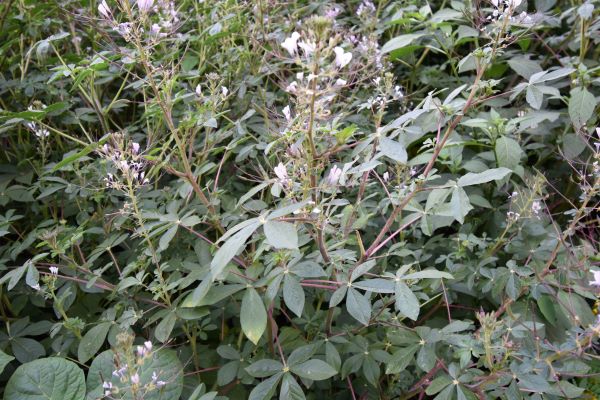
Spider plant (Cleome gynandra), a traditional leafy vegetable widely grown across sub-Saharan Africa, is rich in vitamins A and C, iron and other micronutrients. Its natural tolerance to heat and drought could make it increasingly valuable as temperatures rise and rainfall patterns change.
Bitter gourd (Momordica charantia), widely consumed in South and Southeast Asia, is high in vitamin C and antioxidants, while slippery cabbage (Abelmoschus manihot) is an important leafy vegetable across Pacific islands, where its young leaves provide vitamins A and C and dietary fibre.
The study also points to pumpkin, sweetpotato and cowpea leaves as valuable sources of nutrients. Cowpea leaves provide protein, iron and folate, while sweetpotato leaves contain vitamin A precursors, vitamin C, iron and antioxidants.
Yet many such vegetables receive only a small share of the research, breeding and conservation attention directed towards internationally traded vegetables and major staple crops.
The researchers warn that the resource is already being lost. Studies have documented substantial declines in the range of traditional vegetable varieties cultivated over the past century, while almost one-quarter of assessed wild relatives of major vegetable crops are threatened with extinction.
“Vegetable biodiversity is one of the world’s greatest assets for improving diets and adapting agriculture to a changing climate,” said Dr. Colin Khoury, Global Conservation Lead at the Crop Trust. He warned that it is being lost at the moment when it is most needed.
The researchers say conservation must therefore go beyond storing seeds in genebanks. Vegetable diversity must also be used by plant breeders, grown by farmers, made available in markets and incorporated into diets.
They propose four priorities: securing traditional varieties and wild relatives, expanding research and breeding, promoting a wider range of vegetables in diets, and embedding vegetable biodiversity in agriculture, health, education, climate and biodiversity policies.
The researchers say coordinated action could transform overlooked vegetable diversity into a central resource for tackling malnutrition, strengthening climate resilience and developing the vegetables needed for future generations.