


Scientists have produced gold-standard reference genomes for previously neglected malaria parasites by sequencing low-input DNA directly from patient blood, bypassing lab culture.
Published today (12 November) in PLOS Pathogens, researchers at the Wellcome Sanger Institute, Parasites and Microbe Research and Training Center in Mali, and collaborators pieced together the full genetic maps of understudied malaria parasites. This will ultimately help future efforts into parasite species identification, surveillance of malaria spread and studying how parasites adapt in response to control efforts.
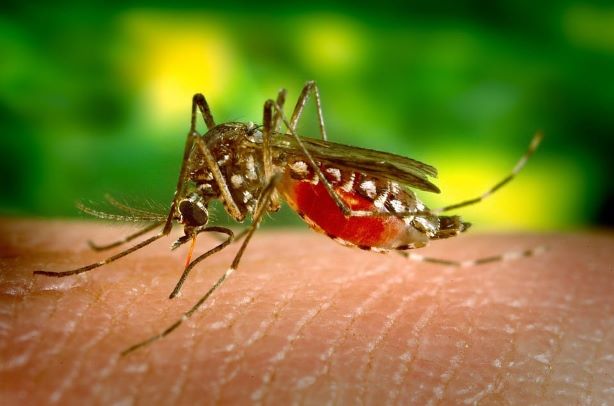
Malaria remains a major global health challenge. In 2024, there were an estimated 282 million malaria cases and 610,000 malaria deaths globally.1 Malaria is caused by infection with single-celled parasites belonging to the group called Plasmodium, which are primarily transmitted to humans through the bites of infected female Anopheles mosquitos.
While most research efforts focus on Plasmodium falciparum — the species responsible for most severe cases and deaths — other species, such as Plasmodium ovale and Plasmodium malariae, also infect millions of people causing chronic illness and deaths.
P. ovale and P. malariae have been neglected in research because of their perceived low prevalence and difficulties in establishing long-term laboratory cultures. Previous genetic reference data for these parasites were fragmented and incomplete, leaving major gaps in understanding their biology, persistence in hosts and adaption over time.
In a new study, researchers at the Sanger Institute and their collaborators sought to develop complete, chromosome-level reference genomes from these neglected malaria parasites, as well as from P. falciparum, directly from natural human infections without laboratory culturing.2
Blood samples were gathered from study participants experiencing natural malaria infections in Faladie, Mali in West Africa by Sanger Institute scientists alongside researchers at the Parasites and Microbe Research and Training Center in Mali.3
The researchers sequenced parasites obtained directly from patients as there are no known approaches to grow these species in culture. Additionally, placing parasites into lab cultures introduces biases, favouring certain strains, suppressing others, and introducing genomic artifacts.4 To increase the proportion of parasitic genetic material relative to the human blood cells, they filtered out human white blood cells and uninfected red blood cells.
The parasite genomes were sequenced using long-read technology, which sequences large stretches of the genetic code, generating high-quality genomes from as little as two nanograms of DNA.5 The team then combined this with a technique called Hi-C that maps the three-dimensional and physical organisation of the entire genome to assemble the DNA into complete genomes.6
The study produced the most complete chromosome-level reference genomes to date for P. ovale and P. malariae, alongside P. falciparum.
The researchers also resolved previously unmapped chromosome ends which are rich in hard-to-assemble repetitive DNA sections responsible for coding for proteins that are involved in immune system evasion. For example, in P. ovale wallikeri, the PIR gene family has expanded to over 2,000 genes making up roughly 25 per cent of the parasite’s genome.
Comparing genomes across individual patient samples collected from the same region and period also revealed extensive gene shuffling — known as DNA recombination — at the end of chromosomes. This shows how malaria parasites continuously change or swap their genetic material to adapt and evade the human immune system.
By having these gold-standard reference genomes, researchers can now design more accurate studies into molecular surveillance of parasite DNA and malaria spread, accelerating the discovery of new therapeutic targets to stay ahead of drug resistance. This work also ensures that non-falciparum parasites are fully integrated into global elimination strategies to tackle neglected malaria species across Africa.
Dr Sunil Dogga, first author formerly at the Wellcome Sanger Institute and now Senior Scientific Collaborator at the Swiss Tropical and Public Health Institute, said: “As our study draws on parasites sampled directly from patient infections, it reflects the genomic diversity of parasite populations as they actually occur in hosts in an endemic setting. Uncovering these full genomes revealed the extent of expansions of gene families sitting at the ends of chromosomes, which regularly shuffle genetic material to adapt and evade the human immune system.”
Professor Abdoulaye Djimdé, Honorary Faculty at the Wellcome Sanger Institute and Director of the Parasites and Microbes Research and Training Center, Mali, said: “This milestone was only possible thanks to the long-standing international collaboration between our team in Mali and the genomic expertise at the Sanger Institute. The genomes developed through this partnership provide an essential toolkit for improving species identification across West Africa.”
Dr Mara Lawniczak, senior author and Group Leader at the Wellcome Sanger Institute, said: “Establishing gold-standard reference genomes for these neglected parasites fills a critical knowledge gap in global malaria research. As a result, we can now track how these parasites adapt over time and monitor potential surges in drug-resistant strains to support global elimination efforts.”