

The International Crops Research Institute for the Semi-Arid Tropics (ICRISAT), through the World Bank-backed Accelerating Impacts of CGIAR Climate Research for Africa (AICCRA) project, is stepping up efforts to boost climate resilience and livelihoods among women in Kenya’s arid regions.
The program goes beyond traditional farming to provide hands-on training in value addition and supplies modern, energy-efficient ovens to organized women’s groups, aiming to open new income avenues for rural women while improving diets for households, especially for children and women, through fortified and diverse foods.
“Supporting local communities with hands-on solutions that are both practical and scalable is at the heart of what we do,” said Dr. Himanshu Pathak, ICRISAT Director General. “By giving women the tools and skills to add value to crops and access energy-saving technology, we are creating real economic opportunities while improving nutrition across Kenya’s drylands.”
At the center of this initiative is value addition. Women trained under AICCRA are learning how to process sorghum, millets, pigeon pea, and groundnuts into flours, snacks, baked goods, and market-ready products—turning traditional crops into profitable ventures.
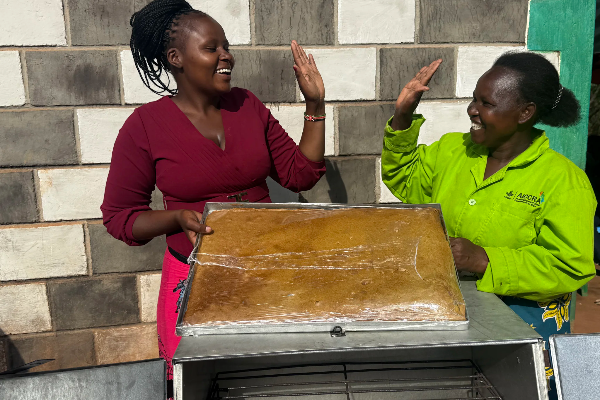
The introduction of energy-efficient ovens further enhances these efforts, cutting fuel use, reducing household costs, and making small-scale agro-processing businesses more viable. With improved equipment and skills, women’s groups can generate higher incomes, strengthen local enterprises, and supply families with healthier food choices.
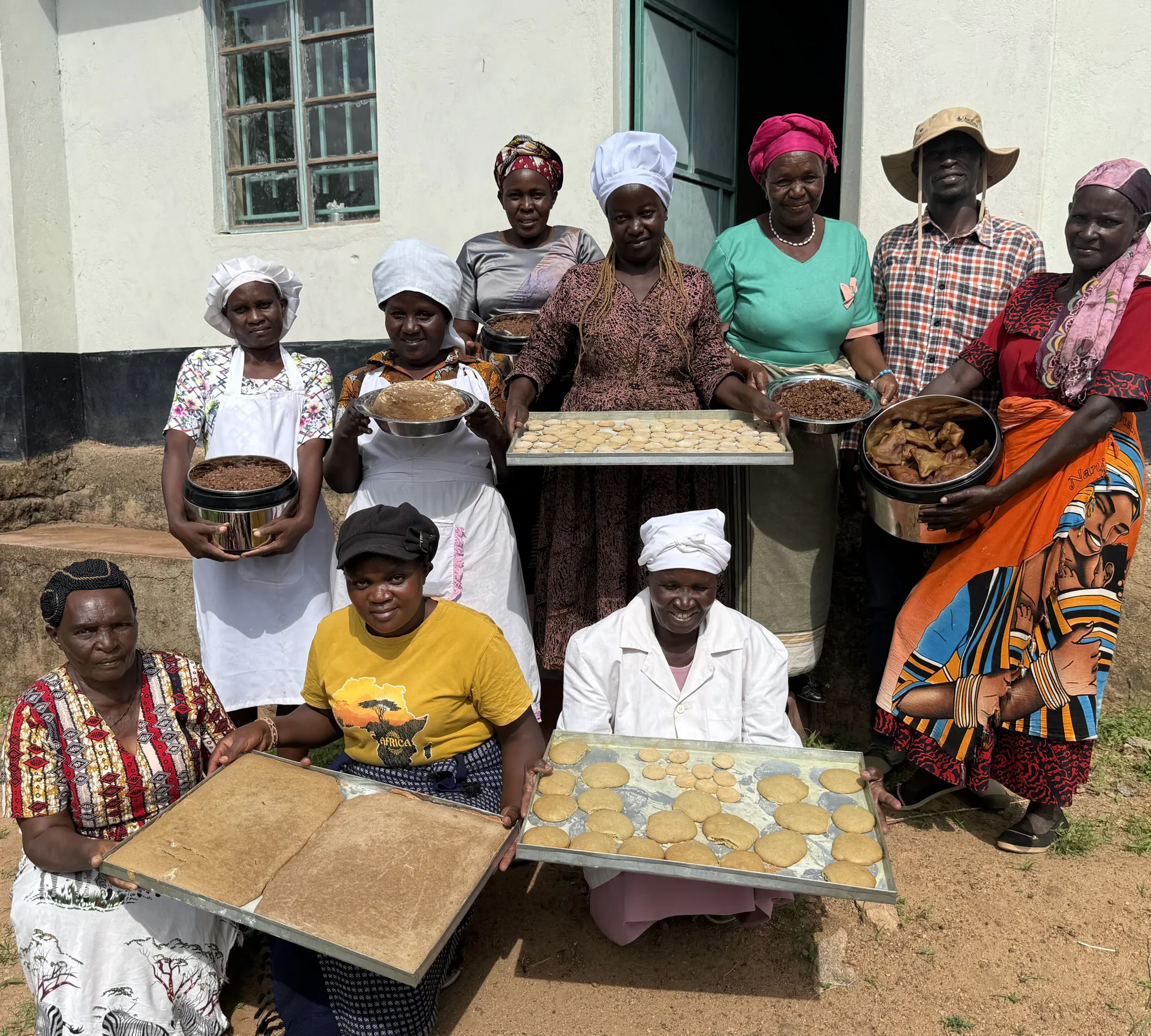
This focus on drought-tolerant crops comes at a crucial time. With their high protein, fiber, and micronutrient content, these crops are key to tackling hunger, malnutrition, and the growing threat of climate-driven crop failures in Africa’s drylands.
By strengthening value addition, AICCRA is creating rapid pathways to food security and opening new agribusiness opportunities for women and youth.
Reflecting on ICRISAT’s broader vision in Africa, Dr. Rebbie Harawa, Global Research Program Director (RFFS) and Director – Africa, noted: “Our mission is to reinforce African food systems through science, innovation, and inclusive partnerships. AICCRA ensures climate-smart technologies reach the people who need them most, particularly women and youth, bridging research with tangible impact on the ground.”
AICCRA also strengthens climate information services, ensuring that farmers receive timely advisories on weather, pests, diseases, and agronomic decisions.
By combining scientific data with local knowledge, the project helps communities make informed decisions that reduce risk and increase productivity.
The significance of these interventions is evident in the enthusiasm of the women beneficiaries, who now see new possibilities in entrepreneurship, food processing, and community nutrition.
Dr. Henry Ojulong, Project Lead at ICRISAT, said AICCRA’s success is measured by the smiles and confidence we see in farmers who adopt climate-smart innovations.
“By equipping women with energy-saving technologies and value addition skills, we are investing in the next generation of rural entrepreneurs and nutrition champions,” said Dr Ojulong.
As climate challenges intensify, strengthening the role of women in food systems is critical. Through AICCRA, ICRISAT is helping communities apply proven scientific solutions that improve livelihoods and build a more resilient, food-secure future for Africa.