Byc: Hwande Isheunesu
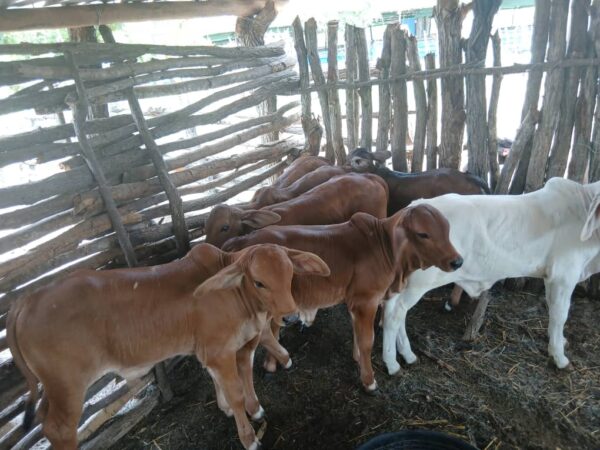
In Zimbabwe’s communal areas, achieving consistent annual calving is a major challenge. Ideally, cows should produce one calf per year, but many communal systems see cows calving only once every three years. This low productivity hammers herd recovery, especially after disease outbreaks. As one farmer put it, “Cows are our bank, but they’re not performing well.”
Limited breeding bulls are a key issue. Farmers prioritize oxen for draft power, and managing bulls during the dry season is tough. As one farmer said, “I only have three cows — I can’t justify keeping a bull.” Cows are often overused as draft animals, causing them to lose body condition and disrupt oestrus cycles. Valuable breeding bulls are also being used as draft animals, reducing their libido and effectiveness in reproduction.
Limited grazing areas and pressure on farming land lead to overgrazing and poor cattle nutrition. Farmers often prioritize crop production over cattle grazing, reducing grazing periods and forcing cattle to scavenge for food. Some farmers only release cattle for grazing as late as 12 noon and pen them up again by 4 pm, resulting in inadequate nutrition. Over milking and limited access to vaccinations also impact fertility.
Dr. Themba Dlodlo, a lecturer at NUST and renowned beef cattle expert, emphasizes focusing on fertility. “Selecting breeds with high fertility rates, like Nguni and Simbra, is key,” he advises. For calving management, Dr. Dlodlo highlights Nutrition: providing high-quality forage; Breeding Strategies: controlled breeding seasons and AI; and Herd Health: vaccinations and parasite control.
The average national calving rate is around 39% (FAO), with 790,722 calves recorded. To break the calving gap cycle, farmers can explore shared bull schemes or AI services, improve grazing management, and reserve breeding bulls for reproduction only. Community-managed grazing schemes, integrated farming practices, and vaccination campaigns can also support cow health and fertility.