

Botswana has moved swiftly to shield its livestock industry after reports of a Foot-and-Mouth Disease (FMD) outbreak in Zimbabwe’s Mangwe District, announcing stringent restrictions on animal movements and banning the import of cloven-hoofed animals and related products from across the border.
The Ministry of Lands and Agriculture confirmed on Monday that the outbreak in Zimbabwe’s Matabeleland South Province has prompted urgent action to prevent the disease from entering Botswana’s national herd.
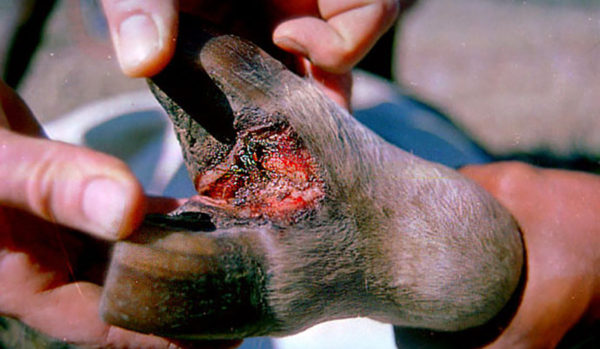
FMD is a highly contagious viral disease affecting cattle, goats, sheep and other cloven-hoofed animals, capable of causing painful blisters, lameness and serious production losses.
Acting Director of Veterinary Services Kobedi Segale said the country has imposed an immediate ban on the importation of cloven-hoofed livestock and related products from Zimbabwe, especially animals originating from the affected Mangwe District which borders Botswana’s Tutume, North-East and Bobirwa regions.
Livestock movements into, out of and within specific control zones in Botswana — notably Zones 3b, 3c (Maitengwe), 6b and 7 — have been prohibited, except for direct slaughter purposes. Animals from these zones are also ineligible for export or slaughter for export.
In a press statement, the ministry reiterated that farmers in districts adjacent to the Zimbabwe border must remain vigilant and adopt preventive measures to mitigate the risk of FMD transmission.
These measures include controlling livestock movement, kraaling animals at night, applying proper identification tags and branding, and immediately notifying veterinary officers or police if suspected symptoms such as excessive drooling, ulcers on hooves or mouths, or sudden lameness are observed.
Authorities have also urged local communities to report incidents of illegal crossings, vandalism of disease control fences, and unauthorized importation of animals or high-risk animal products such as raw meat and milk that could carry the virus.
Emphasis was placed on supporting government disease-prevention efforts through active monitoring and cooperation at border points.
The preventive strategy reflects concerns that animals straying across the porous border could undermine Botswana’s FMD-free status and jeopardize its livestock exports, a key contributor to the country’s agricultural economy.
The government’s coordinated response aims to contain the disease before it spreads into Botswana’s cattle population.
Farmers have been reminded that early detection and reporting are critical. Veterinary officials stress that livestock showing clinical signs, even if mild, should be treated as potential FMD cases until proven otherwise. Communities have been encouraged to strengthen surveillance and adhere strictly to movement restrictions to protect both animal health and trade.
The FMD outbreak in Zimbabwe comes at a time when Southern African countries remain on high alert for transboundary animal diseases, underlining the importance of cross-border cooperation and robust animal health systems to safeguard agricultural sectors and food security across the region.