

Zimbabwe’s farmers are entering a season in which preparation could make the difference between manageable production losses and a devastating agricultural setback.
El Niño is strengthening across the tropical Pacific, raising concerns about disrupted rainfall patterns, higher temperatures and increased water stress across southern Africa. For Zimbabwe, these conditions could place additional pressure on crop production, livestock and rural livelihoods, making early preparation essential.
According to an article by Eng. Tapuwa Justice Mashangwa in The Herald, Zimbabwean subsistence, smallholder, medium-scale and commercial farmers should approach the coming season with early preparation, diversification and careful water management rather than waiting for drought conditions to take hold.
The first principle should be simple: farmers must plan for water scarcity before water becomes scarce.
For subsistence farmers, protecting household food security should be the priority. Heavy dependence on maize can increase vulnerability when rainfall becomes unreliable. Where conditions permit, farmers should diversify into relatively drought-tolerant crops such as sorghum, pearl millet, finger millet, cowpeas, bambara nuts and groundnuts.
Early-maturing and appropriately selected varieties can help farmers make better use of available moisture. Where maize remains necessary, drought-tolerant varieties should be considered, while planting areas should be matched realistically to expected rainfall and available water.
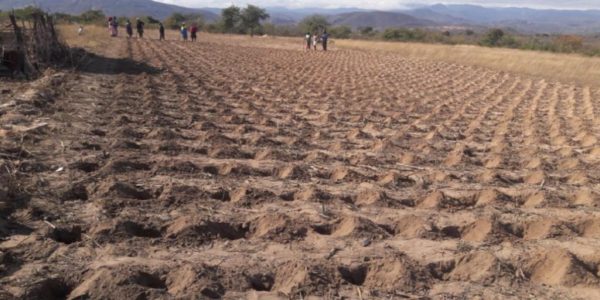
Soil and water conservation are equally important. Zimbabwe’s Pfumvudza/Intwasa conservation agriculture approach provides a practical framework for smallholder farmers. Minimum soil disturbance, mulching and planting basins can help conserve moisture and improve the ability of crops to withstand dry spells.
Water harvesting should extend beyond the field. Households can collect rooftop runoff into tanks and other suitable storage facilities, while measures such as infiltration pits, contour structures and tied ridges can reduce runoff and encourage more rainfall to remain in the soil.
Resilience beyond crops
For market-oriented smallholder farmers, Mashangwa says resilience should go beyond crops. Diversification into livestock, horticulture and other enterprises can spread climate and income risks, particularly where irrigation is available. Poultry, goats and indigenous chickens can be useful options because their water and feed requirements are generally lower than those of large cattle.
Farmers can also stagger planting rather than putting their entire production area into the ground at once. This can reduce exposure to failed early rains and spread production risk across different planting windows.
Medium-scale farmers have greater scope to invest in infrastructure before the season becomes difficult. Irrigation systems, boreholes, dams, pumps and pipelines should be inspected, repaired and tested in advance. Water storage capacity should also be reviewed, while farm ponds and other harvesting infrastructure can strengthen resilience.
Efficient irrigation becomes particularly important when water is limited. Drip irrigation, soil-moisture monitoring and proper irrigation scheduling can reduce water losses and ensure that available supplies are directed towards crops during critical growth stages.
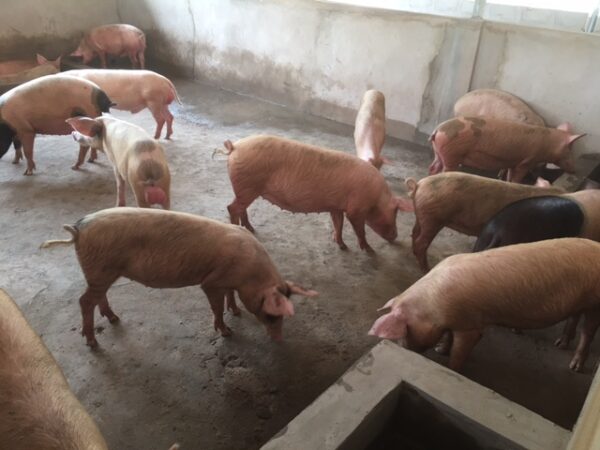
Livestock farmers should act before animals begin losing condition. A drought feed budget should be prepared in advance, with hay, silage and supplementary feed secured while supplies are available. Where necessary, early destocking of unproductive animals can protect the remaining herd and reduce pressure on grazing and water resources.
Drought preparedness as part of broader enterprise risk management
For commercial farmers, Mashangwa says drought preparedness should form part of broader enterprise risk management. Scenario planning, financial reserves, insurance where appropriate, water audits, input procurement and business continuity planning can help reduce exposure to severe production losses.
Commercial producers should also consider diversifying crop portfolios and securing critical inputs early. Seed, fertiliser, veterinary medicines, feed and irrigation components could become more expensive or difficult to obtain as demand increases.
Across all farming systems, livestock health must remain a priority. Adequate water, vaccination, parasite control and veterinary management are particularly important because animals under nutritional and environmental stress are more vulnerable to disease.
Fire preparedness should not be overlooked. Dry vegetation can increase the risk of veld and farm fires, making properly maintained fireguards and readily available firefighting equipment essential.
Ultimately, drought resilience requires cooperation between farmers, extension officers, research institutions, farmer organisations, financial institutions, government agencies and private-sector agricultural businesses.
Zimbabwe’s response to El Niño should therefore move from reaction to anticipation. El Niño should not be viewed as an unavoidable agricultural disaster, but as a climate risk that can be managed through diversification, water conservation, appropriate crop selection, efficient irrigation, sound livestock management, reliable climate information and disciplined financial planning.
For Zimbabwean farmers, resilience begins before the dry spell arrives. The decisions made now will determine how effectively farms, households and agricultural businesses withstand the challenges ahead.
Mashangwa is GCEO of Emerald Investments, CEO of DataFarm, CEO of Emerald Agribusiness and CEO of TranslateZW, and has written extensively on agricultural and technology issues.