

Global agricultural innovation company Syngenta has unveiled a major advancement in crop protection with the launch of VIRESTINA™ technology, the world’s first selective herbicide designed to control resistant grass weeds in soybean and cotton in nearly four decades.
The innovation, powered by the active ingredient metproxybicyclone, has received its first regulatory approval in Argentina, marking the beginning of its global rollout.
The company plans to expand the availability of the new herbicide to key agricultural markets including Brazil, Australia, the United States, and Canada, where resistant weeds have become an increasing concern for farmers.
Argentina, the world’s third-largest soybean producer, was selected as the launch market due to its reputation for early adoption of cutting-edge agricultural technologies. Soybeans remain one of the most critical global crops, serving as a key source of high-protein animal feed and essential amino acids, making effective weed control crucial to maintaining productivity.
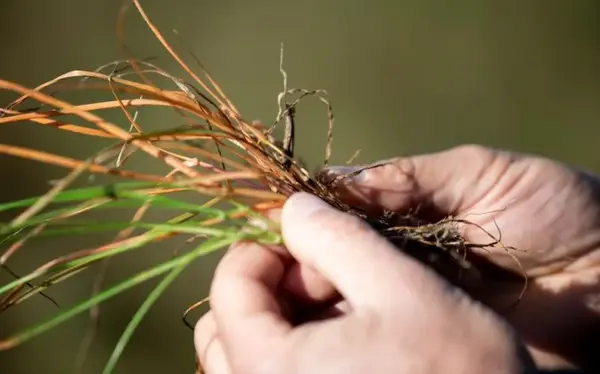
Resistant weeds continue to pose a significant threat to agricultural systems worldwide. These weeds survive traditional herbicide applications and compete aggressively with crops for nutrients, water, and sunlight. In addition, they act as a “green bridge” for pests and diseases, increasing the risk of infections from viruses, fungi, and bacteria. The spread of herbicide resistance has been reported in 75 countries and affects more than 100 crops globally, with grass weeds accounting for approximately 40 percent of the 273 affected species.
VIRESTINA™ technology is expected to offer a much-needed solution to this growing problem. The herbicide has demonstrated strong efficacy in controlling grass weeds resistant to widely used herbicides such as glyphosate and clethodim, particularly in soybean and cotton systems. Its selectivity allows it to be safely applied over crops, while its rapid breakdown in soil contributes to a lower environmental footprint.
Beyond weed control, the technology is also designed to support more sustainable farming practices. By reducing the need for repeated mechanical interventions, farmers can lower soil compaction and greenhouse gas emissions associated with multiple passes of heavy machinery. The innovation also provides greater flexibility in crop rotations and cover crop selection, enabling more efficient land use.
The development of VIRESTINA™ technology highlights Syngenta’s investment in advanced research and predictive science. Scientists at the Jealott’s Hill International Research Centre in the United Kingdom were able to bring the product to market in just 10 years—faster than the typical 12 to 14-year development cycle for agricultural technologies.
According to Ioana Tudor, Syngenta’s Global Head of Crop Protection Marketing, the innovation reflects the company’s proactive approach to addressing emerging challenges in agriculture. She noted that anticipating resistance trends early and accelerating research timelines has been critical in delivering timely solutions to growers.
VIRESTINA™ technology builds on Syngenta’s broader portfolio of advanced crop protection innovations. The company has committed to launching at least 20 new proprietary technologies over the next decade, spanning crop protection and agricultural biologicals. Its existing portfolio includes solutions such as TYMIRIUM® technology for nematode and fungal control, PLINAZOLIN® for insect management, and ADEPIDYN® for fungal diseases.
The new herbicide belongs to the ACCase-inhibitor group (HRAC Group 1), a foundational class of herbicides widely used in modern agriculture. As a fourth-generation advancement within this group, VIRESTINA™ technology is specifically engineered to overcome resistance to both older ACCase herbicides and other herbicide classes.
With herbicide resistance continuing to threaten global crop productivity, the launch of VIRESTINA™ technology represents a significant milestone for the agricultural sector. As it rolls out to additional markets, it is expected to play a key role in strengthening weed management strategies and supporting sustainable crop production worldwide.