

South Africa’s ongoing battle against the foot-and-mouth disease (FMD) crisis intensified this week with confirmed and suspected new outbreaks in two key agricultural regions, raising alarms among livestock producers and authorities about further spread of the highly contagious viral disease.
Officials have confirmed a case of FMD on a cattle farm in the Kuruman district of the Northern Cape, marking the province’s first verified incidence in the current wave of infections.
The Red Meat Producers’ Organisation (RPO) Northern Cape confirmed that samples taken from suspect animals were sent to the Kimberley laboratory last week, with results returned positive for FMD late last week.
In response, the affected farm and several adjacent properties were immediately placed under strict quarantine.
Law enforcement officers from the South African Police Service, alongside state veterinarians, are enforcing movement-control measures to limit the spread of infected animals and products.
RPO Northern Cape operations officer Yolande Botha emphasised the seriousness of the situation, noting the disease’s presence now extends to all nine South African provinces either as active outbreaks or in controlled areas.
Authorities are intensifying epidemiological investigations to trace how the virus entered the region. Botha urged livestock owners to implement stringent biosecurity measures and avoid unnecessary livestock movements, which remain the primary driver of disease spread.
In the Western Cape’s Mossel Bay area, authorities also have moved to contain a suspected outbreak following reports of lesions in cattle at several farms. Initial testing results from a dairy farm outside Hartenbos, where FMD was suspected, were positive, prompting an official quarantine and a 10-kilometre control zone around the index site.
Provisional quarantine notices are being issued to neighbouring properties, and multiple control points have been established to monitor livestock movements and enforce compliance with containment protocols.
State Veterinarian Dr Leana Janse van Rensburg, leading the regional response, said that livestock on adjacent suspected farms are being vaccinated as a precaution while further test results are awaited. Biosecurity remains a priority directive for farm owners to prevent inadvertent spread via contaminated vehicles, clothing, or equipment.
The developments in both provinces come amidst a broader national FMD crisis that has plagued South African livestock industries since early 2025, with outbreaks recorded across multiple provinces and driving major economic losses.
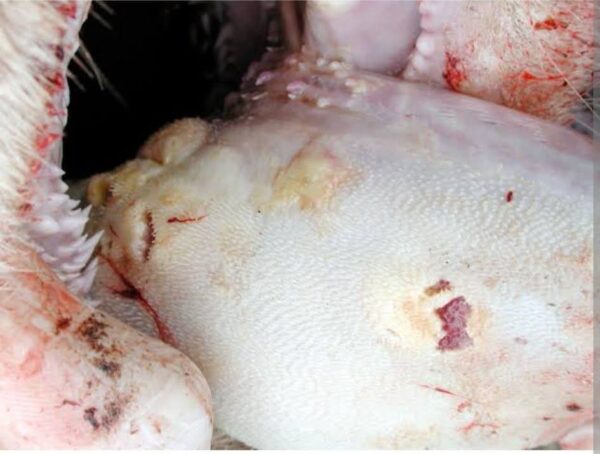
The disease affects cloven-hoofed animals including cattle, sheep, goats and pigs, and although not a human health threat, it can devastate production, trade, and livelihoods.
Agriculture stakeholders have emphasised vaccination, surveillance and strict movement controls as key tools for managing the outbreak. Earlier this month South Africa rolled out the first locally produced FMD vaccine in two decades, part of a strategy to build herd immunity and curb ongoing spread.
However, vaccine supplies remain limited, and logistical challenges persist in reaching the scale required to protect millions of animals nationwide.
Livestock associations and government agencies continue to urge farmers to report any unusual signs — including blisters or excessive salivation — immediately to veterinary authorities, and to uphold rigorous farm-level biosecurity practices to contain FMD and safeguard the country’s agricultural sector.