

- Nelson Mandela University expert calls for stronger prevention, applied research and specialist skills as changing conditions make destructive fires harder to manage.
GEORGE — Hotter conditions, prolonged drought and heavier vegetation fuel loads are raising the stakes of wildfire management. As we have seen, when low humidity and strong winds combine with a dry landscape, fires can spread rapidly, burn intensely and overwhelm efforts to contain them. The consequences extend from destroyed homes and livelihoods to damaged ecosystems and increasingly dangerous, expensive firefighting operations.
Globally, climate change and changing land use are worsening the threat of extreme fires. A United Nations Environment Programme assessment projects an increase in extreme fires of up to 30% by 2050. Dangerous combinations of heat, dryness and wind are becoming more likely in many regions, putting greater pressure on prevention and preparedness. www.unep.org
South Africa faces these pressures alongside water scarcity, invasive alien vegetation and expanding human activities near fire-prone landscapes. Drought can dry vegetation while reducing the water available to fight fires. Woody invaders add substantial fuel, and development exposes more homes, infrastructure and economic assets to potential destruction.
El Niño adds a current concern. The World Meteorological Organization’s October 2026 update reports a strengthening event, which can contribute to hotter, drier conditions in parts of Southern Africa. Regional forecasts require close attention because below-average rainfall can create conditions for a difficult fire season, while sudden changes in wind and humidity can rapidly escalate an existing blaze. wmo.int
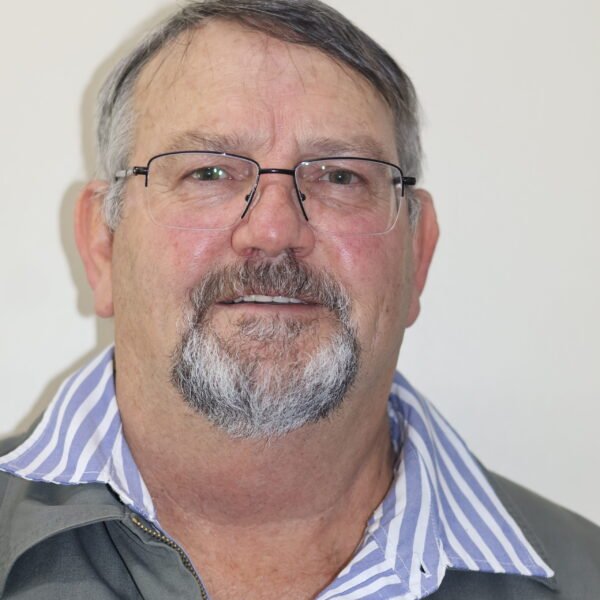
Tiaan Pool, Head of the Forestry Department at Nelson Mandela University’s Cluster for Natural Resource Science and Management at George campus, says the scale of the challenge cannot be understood through incident counts alone.
“The number of fires does not tell us enough about the danger,” says Pool. “We also need to understand how large they become, how intensely they burn and how difficult they are to control. A changing fire environment demands a changing management response.”
More fuel, greater exposure and less room for error
Pool identifies invasive alien vegetation as a significant management concern. Woody species including acacias, pines, eucalyptus and hakea can accumulate substantial biomass, increasing the material available to burn. Research into the 2017 Knysna fires found that invasive alien vegetation contributed to increased fire severity, illustrating how the condition of a landscape can amplify a disaster. link.springer.com
Changing land use creates further complexity. Forestry plantations and dry agricultural crops present different fuel conditions, while settlements beside combustible vegetation place people and property within reach of a spreading fire. Managing these risks requires coordination across property boundaries and sectors.
For vulnerable households, small businesses and public institutions, losses can exceed their capacity to recover. Destroyed grazing, crops, timber and infrastructure also affect employment and the economies that depend on them.
The spark is only part of the story
Pool identifies human activity as the dominant source of unwanted fires. Arson, escaped planned burns, and unattended cooking or warming fires can all provide ignition. Lightning is a natural source, including during thunderstorms around the beginning of the rainy season. Whether ignition becomes disaster depends on fuel, weather, terrain and preparedness. Understanding those interactions is essential to reducing damage.
It is equally important to recognise that fire has an ecological role. Grasslands, fynbos and savannas depend on periodic fire to maintain ecological processes and thrive. The objective is to manage appropriate fire while preventing unwanted fires in the wrong conditions from threatening lives and livelihoods.
South Africa has structures — but readiness must follow
Fire Protection Associations help landowners coordinate prevention, training and shared resources. Working on Fire contributes to prevention, suppression and awareness while supporting employment and skills development.
The National Veld and Forest Fire Act provides a framework for fire management, including landowner responsibilities. Nevertheless, Pool believes shortages of resources, uneven implementation and limited understanding of these responsibilities weaken preparedness.
Forecasting and satellite technology provide information that can help managers anticipate difficult conditions. However, a seasonal warning only becomes useful when somebody understands its implications and acts.
“An early warning must lead to an early decision,” says Pool. “Managers need to understand what the forecast means for their land, their communities and their resources, then prepare before conditions become dangerous.”
Practical priorities include controlling invasive vegetation, managing hazardous fuel loads, maintaining appropriate protection measures and coordinating response plans. Sound management of wetlands and riparian areas belongs within wider landscape resilience.
Pool also identifies education as a major gap. He argues that wildfire awareness needs greater attention in schools and that relevant tertiary programmes should better equip graduates to interpret warnings and manage risk.
Research must reach the people making decisions
Fire management involves changing biological and physical conditions, alongside human behaviour. Research helps explain these interactions and gives managers a basis for adapting practices.
Pool’s recent involvement in Tanzania’s Southern Highlands demonstrates its practical value. Satellite data helped identify high-risk areas, followed by discussions with villagers about the causes of unwanted fires. The project contributed to regional fire-management bylaws, training and customised village plans. Manuals were translated into Swahili, and villagers learned to manufacture affordable firefighting hand tools.
South African research priorities include protecting settlements beside fire-prone vegetation, improving fire-danger warnings and investigating suppression methods less dependent on scarce water. Understanding how fire regimes may shift across different biomes is also important.
Studying for a changing fire environment
At NMU’s George campus, forestry and conservation programmes incorporate fire management. Pool identifies a fire-management specialisation within the Advanced Diploma in Forestry, risk management at BSc Honours level, and wildfire-related Master’s and doctoral research opportunities.
Industry relationships help identify practical challenges, with some partnerships providing financial support for applied research. Academic expertise covers both the ecological effects of veldfires and their management.
These pathways are relevant to forestry, conservation and agricultural graduates, working land managers and officials responsible for public preparedness.
“We need more people who can investigate these risks and translate evidence into better management,” says Pool. “Remaining agile means continuing to learn as conditions change. The decisions that prevent a disaster need to be made before the fire begins.”
Prospective students can explore relevant qualifications and research pathways through Nelson Mandela University’s postgraduate information page.
About the Contributor:
Christiaan (Tiaan) Pool is Head of Forestry at Nelson Mandela University (NMU) and a qualified forester with extensive experience in forestry, veldfire management and fire ecology. He holds a master’s degree in Forestry focused on fire behaviour and combines practical industry experience with more than 25 years in teaching, community engagement and applied research. His expertise includes fire investigation, integrated fire management and the development of fire management plans. He developed NMU’s Higher Certificate in Veldfire Management, edited the South African edition of the Fire Manager’s Handbook and has contributed to wildfire training, policy and planning in Tanzania. A regular international conference speaker and technical author, Pool works closely with forestry professionals, Fire Protection Associations and conservation agencies to strengthen practical wildfire management.