

African governments and development partners have taken a decisive step toward tackling one of the continent’s most damaging livestock diseases with the launch of a High-Level Continental Advisory Committee aimed at eradicating Peste des Petits Ruminants (PPR) by 2030.
The move, spearheaded by the African Union Commission (AUC) through the Inter-African Bureau for Animal Resources (AU-IBAR) and the Pan-African PPR Secretariat, brings together senior political leaders, regional economic blocs, global animal health agencies and development partners to provide strategic oversight and sustain high-level political commitment in the fight against the disease.
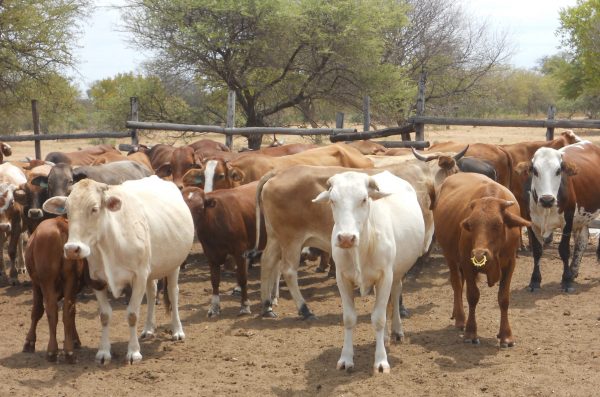
PPR, a viral disease that primarily affects sheep and goats, poses a silent but severe threat to Africa’s rural economies. These small ruminants are central to the livelihoods, nutrition and income of millions of smallholder farmers across the continent. Outbreaks can decimate entire herds, pushing already vulnerable communities further into poverty and food insecurity.
At the official launch in Nairobi on December 17, 2025, AU-IBAR Director Dr. Huyam Salih underscored the urgency of strong political leadership in meeting the 2030 eradication target. “This Advisory Committee provides a vital platform for political leadership, strategic oversight and coordinated implementation of national and regional efforts to eradicate PPR across the continent,” she said.
The advisory body is expected to guide and support the Pan-African Programme for PPR Eradication, champion resource mobilisation at the highest levels, facilitate coordinated cross-border strategies, and monitor progress toward the global eradication goals. It aligns with Africa’s broader animal health priorities, including the African Animal Health Strategy, the continent’s long-term development blueprint Agenda 2063, and the Global PPR Eradication Programme.
The initiative has won strong backing from the European Union, which reaffirmed its support for efforts to strengthen animal health systems in Africa. Its participation builds on longstanding cooperation aimed at safeguarding livestock health and rural food systems.
The high-level political push coincides with the official launch in Addis Ababa earlier this year (February 3, 2025) of the Pan-African Programme for the Eradication of Peste des Petits Ruminants (PPR-PAPS). This programme was jointly organised by the African Union Commission, AU-IBAR, the Food and Agriculture Organization (FAO), the World Organisation for Animal Health (WOAH), and the EU, bringing ministers of agriculture and livestock, AU commissioners, members of the Pan-African Parliament and development partners together in a show of continental unity.
African leaders at the launch stressed that unity and collective action are vital to defeating PPR, drawing lessons from the successful eradication of rinderpest — the only animal disease ever eradicated globally. Ethiopia’s Minister of Agriculture and Livestock, Girma Amente, noted, “We eradicated rinderpest because Africa was united. Today, with the same unity and adequate resources, we can defeat PPR.”
Other leaders emphasised that controlling PPR is not merely a veterinary issue but a broader socio-economic priority. Uganda’s Minister of State for Agriculture, Animal Industry and Fisheries, Bright K. Rwamirama, highlighted the disease’s disproportionate impact on women, children and youth, who are often at the forefront of small ruminant production.
PPR is estimated to cause about $1.45 billion in annual losses, directly threatening the livelihoods of more than 300 million Africans, particularly smallholder farmers, women and young people. The disease also undermines trade, weakens biodiversity and deepens food insecurity across the continent.
The initiative also aligns with continental priorities like the African Continental Free Trade Area (AfCFTA), which aims to promote competitive livestock trade, and supports integrated approaches to animal, human and environmental health under the One Health framework.
With the launch of the advisory committee and continued political momentum, African leaders and partners are setting the stage for a sustained, coordinated drive to make PPR a disease of the past by 2030.