


Dräger South Africa’s Head Office is located in Johannesburg with local branches established in Cape Town and Durban. Recently we opened subsidiaries in Ghana and Kenya to support our approved Sales Channel Partners in the SSA Region to ensure a close relationship and providing personal service to our clients.
Understanding the Invisible Risks in Agriculture
Across the agricultural value chain, workers routinely operate in environments where the greatest risks are often invisible. From dust filled silos and enclosed livestock houses to fumigation and refrigerated storage facilities, safety risks are constant and underestimated.
Livestock and poultry farming environments are often exposed to hazardous gases such as ammonia, hydrogen sulfide, methane, and carbon dioxide, which can originate from animal waste, feed storage, and manure management processes. Monitoring these gases is crucial for ensuring the health and safety of both animals and workers.
Food ripening and cold storage often involve gases like ethylene, ammonia, and carbon dioxide. Ethylene accelerates fruit ripening, while ammonia and carbon dioxide are used in refrigeration. These gases are essential for these processes but can pose health risks if not properly monitored.
Grain handling and silo operations are not only about managing worker safety—they are also critical to preserving grain quality and protecting farm revenue. Excessive dust and oxygen-deficient condiions can compromise stored grain, leading to spoilage andt financial loss. Continuous air-quality monitoring and advanced respiratory protection technologies play a vital role in maintaining optimal storage conditions, preventing contamination, and ensuring that grain remains market-ready. By investing in solutions that identify and address hazards early, agricultural operations can safeguard both their harvest and their bottom line.
In agricultural operations, unseen environmental risks can directly undermine productivity, crop quality, and overall yield. Fluctuations in air quality, gas buildup, and unmanaged storage conditions can accelerate spoilage, reduce output, and compromise consistency across the production cycle. By identifying and controlling these factors early, producers can protect the value of their harvest, maintain stable processes, and maximise returns season after season.
Dräger’s trusted safety solutions are purpose‑built for these environments—delivering high‑performance respiratory protection, precise gas detection, and dependable escape technology that safeguard farmworkers through every season.
A Sustainable Flower Farmer’s Perspective
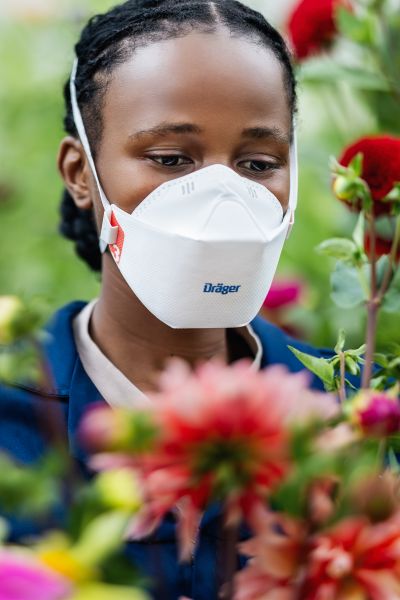
One such inspiring voice comes from the field of sustainable flower farming: @akanakablooms — Cover girl moment
“Honoured to feature on the cover of SHEQ Management Magazine Issue 2, 2026.
As a sustainable flower farmer, I believe chemicals should never be the first line of defence. On our farm we prioritise preventative and ecological growing practices wherever possible through crop rotation, pest scouting, succession planting, biodiversity, healthy soil practices and crop management.
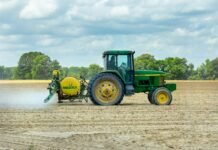
But where agricultural chemicals are used, worker protection, proper handling and safety equipment are essential. Protecting people and protecting the environment should go hand in hand.
Thank you to @draeger.global for the PPE featured in this shoot and for helping drive awareness around workplace safety. “
Protection without Compromise
Your business is concentrating on efficient processes and the quality of your products. Our business is supporting your safety in doing so – from fixed and portable gas monitoring up to respiratory protection solutions and chemical protection suits. Dräger offers a wide and specialized range of comprehensive solutions to ensure safe working environments in agriculture.