



A KwaZulu-Natal dairy farmer has lost his entire herd of 1,300 cattle to foot-and-mouth disease (FMD), describing the outbreak as devastating for his livelihood and warning that South Africa has “lost complete control” of the highly contagious disease.
Neil van Laun, a dairy farmer from Lidgetton in the Howick district, told East Coast Radio’s News Watch programme that the disease entered his herd in early January and rapidly spread through all his animals before any visible signs emerged.
“Foot and mouth got into my dairy herd of 1,300 cows on about the 6th or 7th of January, and it’s just progressively got through the whole herd,” van Laun said. “We’re about 13 days into the full front of the disease at the moment, probably getting towards the end of it, but that’s the worst part when the cows’ feet start to fall off.”
He explained that FMD often infects animals days or even weeks before symptoms become apparent, making it difficult to contain once it has entered a farm. “The symptoms only show seven to 14 days after you have contracted the disease,” he said.
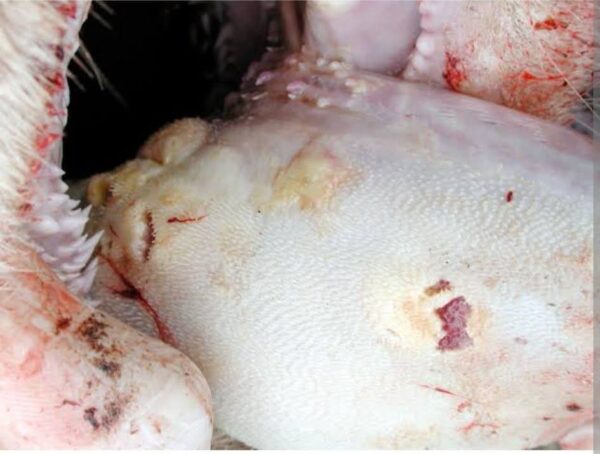
According to van Laun, the first signs included stiffness, excessive salivation and peeling skin on the tongue, which causes severe pain. As the disease progresses, it attacks the udders, leading to painful blisters that prevent cows from being milked and trigger widespread mastitis.
“At the peak, we’ve got about 300 cows with mastitis,” he said. “The cows don’t want to get milked, and that’s when the mastitis starts to come in.”
The most severe stage, he added, occurs when the disease reaches the hooves. “The hooves start to split and fall off, and the cows are basically walking on the actual hoof bones.”
Van Laun criticised the state’s handling of the outbreak, noting that FMD is a state-controlled disease and that farmers are not allowed to source or administer vaccines themselves. He said repeated outbreaks over the past few years were not adequately addressed.
“The state is the only one who can detect, organise, buy a vaccine and administer it, and they’ve basically done absolutely nothing to prevent these outbreaks from spreading,” he said.
He added that the last available FMD vaccines, estimated at 600,000 to 700,000 doses, were purchased by private feedlotters and other organisations and ran out around the Christmas and New Year period.
“We should have been vaccinating cows in July or August already, knowing that this outbreak is happening,” he said.
Even if vaccines were made available now, van Laun warned it would be too late for many farmers. Vaccination requires healthy animals and booster shots over several weeks before immunity is built.
“You could vaccinate tomorrow and in two weeks’ time have the disease in your herd, and the vaccine wouldn’t have helped you at all,” he said.
The financial impact has been severe. Van Laun said milk production on his farm has dropped by 45%, translating directly into lost income. “My income has dropped by 45%,” he said, adding that dairy farmers could lose between R3 million and R7 million in a single month.
These losses are compounded by rising veterinary costs. “The drugs to treat this, like anti-inflammatories and long-acting antibiotics, are very costly,” he said.
Van Laun warned that the consequences would extend beyond individual farms. “Literally every livestock farmer in this country is going to be affected,” he said, adding that it could take years to bring the disease under control.
“For most of us, this won’t come out of profit,” he said. “It’s going to come off our bottom lines, and we’ll end up going to the banks and borrowing more money just to carry on.”



Why don’t the farmers vaccinate their own cattle like in the old days 😕 😒 . Things were much better then .
Comments are closed.