



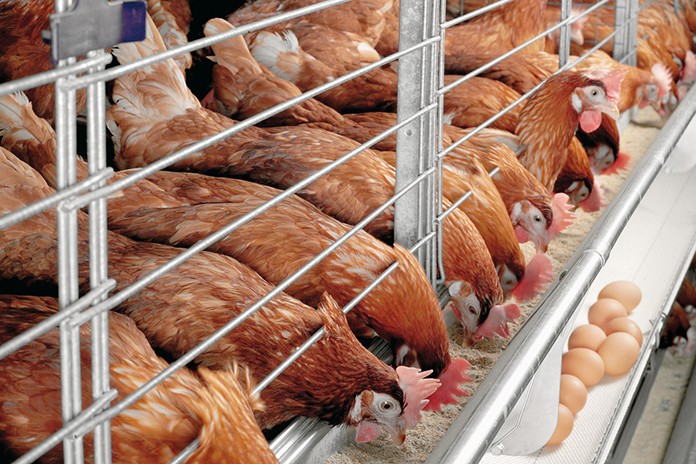
The World Bank Group has approved US$60 million to strengthen poultry and aquaculture value chains in the Republic of Congo, in a move aimed at increasing domestic food production, creating jobs and improving food and nutrition security.
The financing, approved under the Poultry and Aquaculture Development Project (PADeP), will target some of the major constraints limiting the growth of the two sectors, including inadequate access to quality feed, day-old chicks and fingerlings, weak infrastructure, limited technical skills and difficulties accessing finance.
World Bank Division Director for the Republic of Congo, Cheick F. Kanté, said the project could play an important role in strengthening the country’s economy and food systems.
“Unlocking the potential of poultry and aquaculture can help Congo create more jobs, improve food and nutrition security, and build a more diversified and resilient economy,” Kanté said.
He added: “This project brings together public investment, private sector engagement, skills development, and climate-smart solutions to help local producers compete and grow.”
Tackling a major poultry supply gap
The investment comes as Congo faces a significant gap between domestic poultry production and consumer demand. According to the World Bank, local poultry meat production currently meets only 0.4% of annual domestic demand, while domestic table egg production meets about 37%.
Poultry and fish are among the country’s main food imports, with poultry imports alone valued at approximately US$222 million in 2024. Local producers also face intense competition from imports originating from countries including the United States, Brazil, Turkey and Poland.
The cost challenge is particularly significant. Imported poultry meat can reach the Congolese market at less than US$1,000 per tonne, while local production costs can exceed US$2,000 per tonne, according to World Bank project documentation.
Investment in feed and chicks
Of the financing, US$23 million will support increased production and availability of competitively priced maize and soybeans for poultry and aquaculture feed, as well as commercial processing of these raw materials into feed.
The project will also provide grants for feed-production investments and help feed manufacturing small and medium-sized enterprises improve business planning, financial management and access to finance.
A further US$3 million will support production of quality fingerlings and day-old chicks. For poultry, the programme will introduce and test improved breeds suited to Congo’s conditions while helping private operators access selected parent stock for commercial chick production.
Infrastructure and skills
The project will allocate US$2 million to strengthen technical skills across the poultry and aquaculture value chains. Four agricultural stations will also be upgraded as technology and innovation centres, supporting areas such as nutrition, disease management, laboratory services and access to new technologies.
Another US$12 million will finance productive and climate-resilient infrastructure in eight Protected Agricultural Zones, including reliable power supplies, solar energy, cold-chain facilities, processing and value-addition infrastructure, climate-resilient markets and digital connectivity.
The programme will further allocate US$9 million to strengthen policy and regulation, while US$5 million will improve access to finance, agricultural insurance and digital services for businesses operating across the two value chains.
For Congo’s poultry industry, the investment represents a major effort to expand domestic production, improve competitiveness and reduce reliance on imported poultry products.
Its broader impact will depend on how effectively funding for inputs, infrastructure, skills, finance and private-sector investment is translated into stronger and commercially sustainable poultry businesses.






[…] Credit: Source link […]
Comments are closed.