

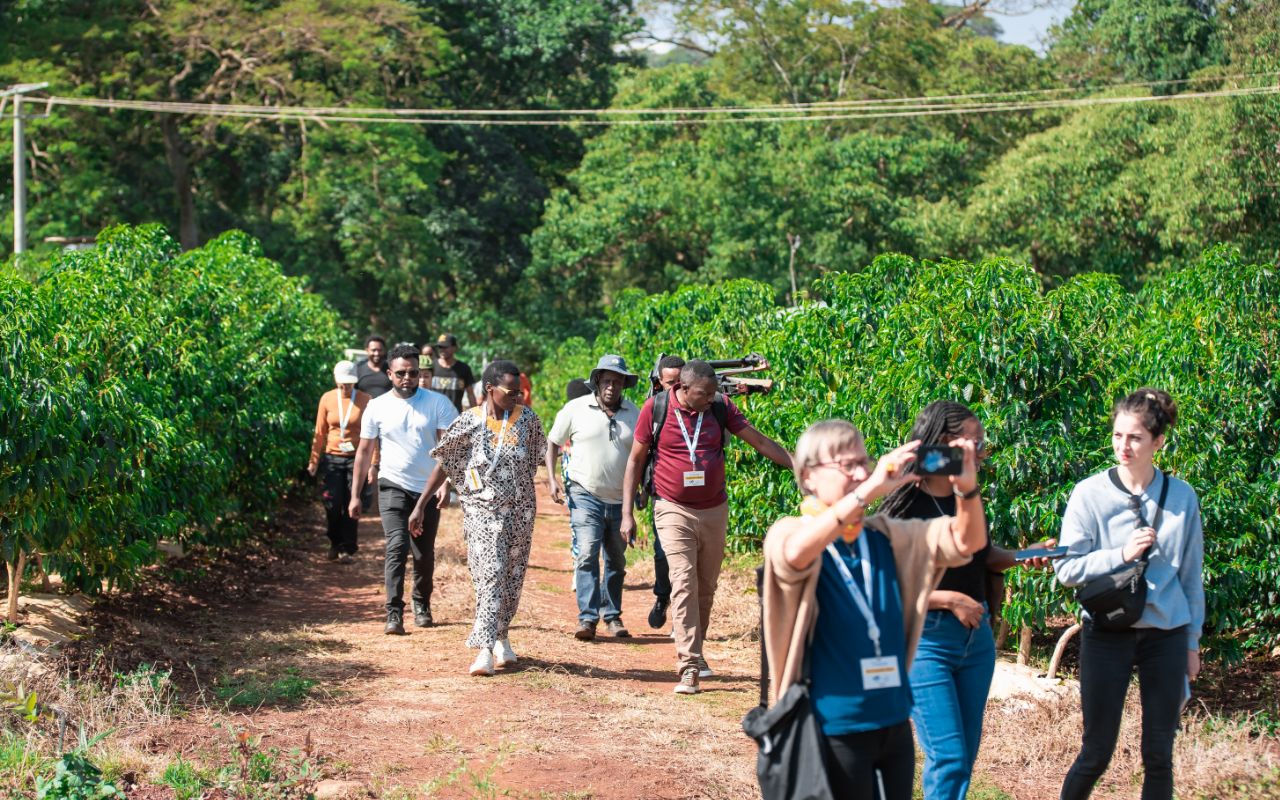
Addis Ababa — A second edition of the Coffee Origins Trip (COT 2) will take place from 7–12 December, bringing international coffee professionals into Ethiopia’s most significant Arabica-growing regions for a programme centred on climate resilience, genetic diversity, and traceability.
The initiative, organised by the Kerchanshe Group, reflects a broader shift in the industry toward scientifically grounded origin engagement rather than traditional marketing-oriented tours. Participants representing buying companies, roasteries, research institutions, and sustainability programs are invited to travel through Arsi, Bale, West Arsi, Sidama, Guji, and Gedeo — regions central to Arabica’s evolutionary history and biodiversity.
A Field Study Framed by Climate and Ecology
This year’s itinerary foregrounds the ecological pressures reshaping Ethiopia’s coffee landscapes. Early sessions will take place around the forest ecosystems of the Arsi and Bale highlands, where scientists and local experts continue to study Arabica’s wild genetic reservoirs and the implications of climate volatility.
According to Kerchanshe Group CEO Israel Degefa, the increasing need for supply-chain actors to understand environmental risk is reshaping what origin visits should deliver. “The value now lies in connecting field conditions with quality, security, and long-term viability,” he said.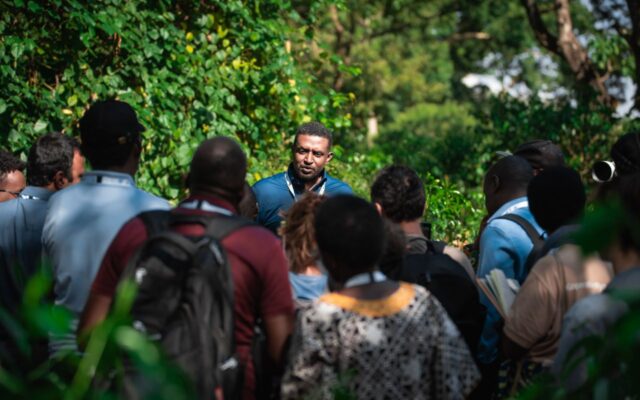
Processing Standards and Evolving Quality Profiles
Mid-week activities will focus on processing systems and quality development, including site visits to Worka and Debeka facilities where updated infrastructure is being adopted. A cupping program at a laboratory in Bule Hora will introduce emerging lots and experimental processes expected to feature in the 2025 season.
Observers note that these sessions offer a rare preview of flavour and processing trends from a country that remains one of the most influential producers in the specialty sector.
Tracing Coffee Through Ethiopia’s Smallholder Landscape
Traceability remains a central issue for buyers working within Ethiopia’s predominantly smallholder-driven supply structure. Visits to the Tore Washing Stations will allow participants to examine documentation procedures, drying innovations, and export preparations developed to improve verifiability at the farm and community level.
Cultural Framework and Producer Context
The program also includes cultural elements such as the Buna Qalaa ceremony, placing Ethiopia’s coffee traditions within a broader narrative of community identity and farmer livelihoods — an aspect increasingly acknowledged as integral to sustainability assessments.
A final closed-door roundtable in Addis Ababa is expected to explore future collaboration models, particularly around resilience financing, quality investment, and long-term supply stability. Kerchanshe, which works with large numbers of smallholder farmers, is anticipated to present priority areas where coordinated industry participation could have meaningful impact.