

Rwanda is edging closer to approving the country’s first biotech crop varieties, a move expected to help farmers tackle devastating crop diseases, pests and climate-related challenges.
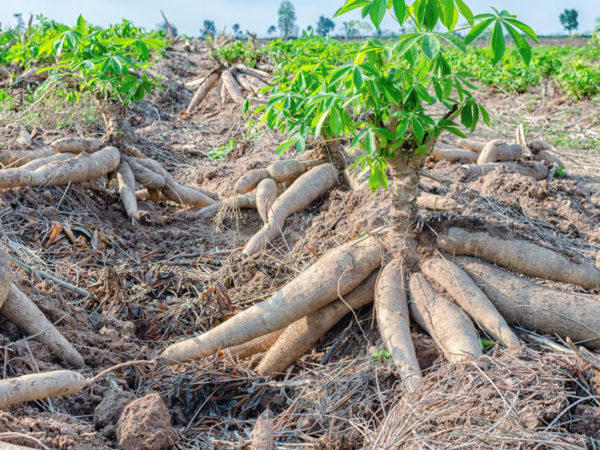
The crops under consideration include genetically modified cassava, Irish potato and maize varieties developed to address some of the most persistent constraints affecting agricultural productivity in the country.
According to The New Times, a local media outlet, officials from the African Agricultural Technology Foundation (AATF) said the biotech crops have demonstrated strong performance during field trials, showing improved resistance to diseases and pests while delivering higher yields than conventional varieties.
The biotechnology programme, launched in October 2024 through a partnership involving the Rwanda Agriculture and Animal Resources Development Board (RAB), AATF and other stakeholders, focuses on combating cassava brown streak disease, potato late blight, fall armyworm infestations and drought stress. These challenges have long undermined yields and reduced farmers’ incomes across the country.
AATF Executive Director Canisius Kanangire said applications for the release of biotech cassava and potato varieties have already been submitted for approval.
“We have already applied for the release of cassava and potato varieties and received encouraging feedback. We are now waiting for official approval, which could come this year, allowing farmers to access the products,” Kanangire told The New Times.
The release process is reportedly progressing through Rwanda’s regulatory framework, with authorities expected to publish approved seed varieties later this year. Once registered, the new seeds could be distributed ahead of the next planting season, offering farmers access to improved planting materials.
Athanase Nduwumuremyi, Coordinator of the Open Forum on Agricultural Biotechnology in Africa (OFAB) Rwanda, said preparations for commercialisation are already underway.
“We expect that this year, the list of approved seeds will be published in the Official Gazette, and we hope these will be included once approved,” said Nduwumuremyi.
Field trials have shown promising results. Biotech cassava varieties have demonstrated resistance to cassava brown streak disease, while biotech potatoes have shown the ability to withstand late blight with reduced reliance on fungicides. TELA maize, which remains in the final stages of testing, has exhibited strong resistance to fall armyworm and improved tolerance to drought conditions.
According to the coordinator, the technology could help farmers reduce production costs while increasing yields.
“What reassures farmers is that this technology can help crops resist diseases and adapt to climate change, while also delivering higher yields on small plots of land, which is exactly what farmers want,” he said.
The initiative is backed by a $10 million programme supported by the Gates Foundation and positions Rwanda among a growing number of African countries embracing agricultural biotechnology to strengthen food security and improve rural livelihoods.
If approvals are granted as expected, Rwanda’s first biotech crops could reach farmers later this year, marking a significant step in the country’s efforts to modernise agriculture and enhance resilience against crop losses.