

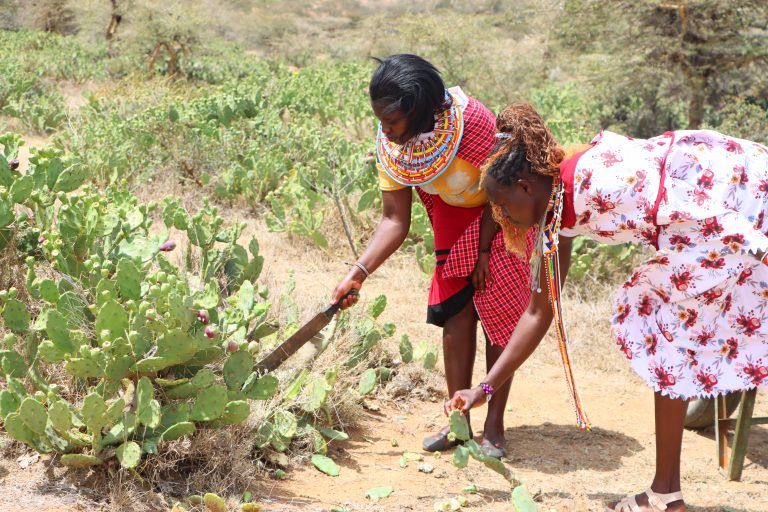
A pioneering research initiative spearheaded by Jomo Kenyatta University of Agriculture and Technology (JKUAT) is converting one of Laikipia County’s most destructive invasive plants — the prickly pear cactus (Opuntia stricta) — into livestock feed and clean, affordable energy for rural households.
According to the university, the project is helping transform an ecological threat into practical livelihood solutions for pastoralist communities in a region battered by drought, land degradation and food insecurity.
For decades, the prickly pear cactus, known locally as “mathenge,” has spread across rangelands in northern Kenya, choking grazing fields and injuring livestock that accidentally consume its spiny pads or fruit. Families watched helplessly as the cactus contributed to livestock loss, compromised pasture, and intensified resource competition.
The JKUAT-led research partnership — in collaboration with the University of Florida’s Institute of Food and Agricultural Sciences (UF/IFAS) and funded by Sicily’s dryGrow Foundation — has shifted focus from eradicating the plant to repurposing it to boost food security and energy access.
“We are seeing animals gain weight even during dry periods when pasture is scarce,” Prof. Willis Owino, the project leader, told JKUAT News. “These interventions have the potential to stabilise livelihoods that depend almost entirely on livestock.”
Researchers have developed a method to process harvested cactus into livestock feed pellets that have supported significant weight gains in trial animals, especially goats, offering a drought-resilient alternative when natural pasture is unavailable.
At the same time, the initiative provides clean energy through biogas by equipping households with biodigesters. Harvested and chopped cactus pads are ground into slurry, then fed into biodigesters to generate biogas for cooking. This reduces dependence on firewood, lessens deforestation pressure, and decreases indoor air pollution from traditional wood fires.
“Cooking with biogas has reduced smoke in the home and eliminated the constant pressure of sourcing fuel,” said Mrs. Petroline Masaine, a beneficiary of the project. “It has improved household wellbeing and freed up time for income-generating activities.”
About 30 households in Maiyanat and Morpusi community ranches have benefited from the biodigester installations, along with water tanks and solar lighting, increasing both food and energy resilience.
The project also taps into the wider potential of the cactus by exploring value-added products such as juice, jam and wine from its fruit, which could offer new income streams for families once the spines are removed and the fruit is safely processed.
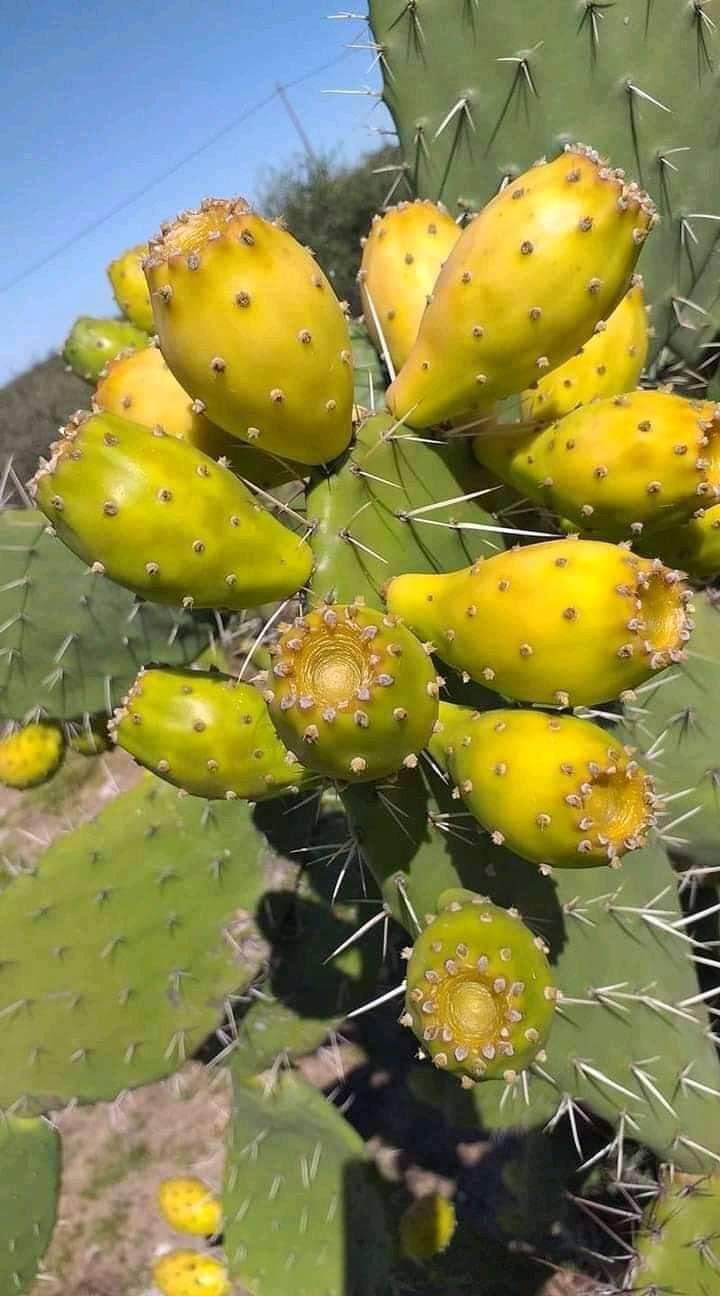
Beyond economic well-being, the initiative is changing community perceptions of the once-feared plant. Village elder John Rukwa noted that the cactus is increasingly seen as a “shared resource that offers hope and opportunity,” rather than merely a dangerous weed.
The project is also helping reduce conflict in the region. With improved access to feed and energy at the household level, pastoralists are less forced into seasonal livestock movements in search of pasture — a practice that historically sparked tensions between neighbouring ranches and conservancies.
Other residents, such as Jackline Kimirri, highlighted how access to biogas and locally available feed has eased household strain, particularly for women who traditionally shoulder the burden of firewood collection and forage searching.
Prof. Owino emphasized that the project goes beyond addressing a botanical nuisance; it is about creating sustainable systems that improve food security, reduce environmental pressure and empower communities. “This is not just about weed control — it’s about turning a problem into an opportunity,” he said.
His leadership in this work has also been recognised in the AD Scientific Index 2025, where he was ranked among the top impactful researchers at JKUAT based on research output and citation impact.
As the initiative scales, it stands as an example of how innovative research can turn ecological disadvantages into community strengths — a blueprint for other arid and semi-arid regions confronting similar invasive species challenges.