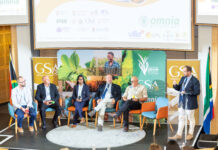


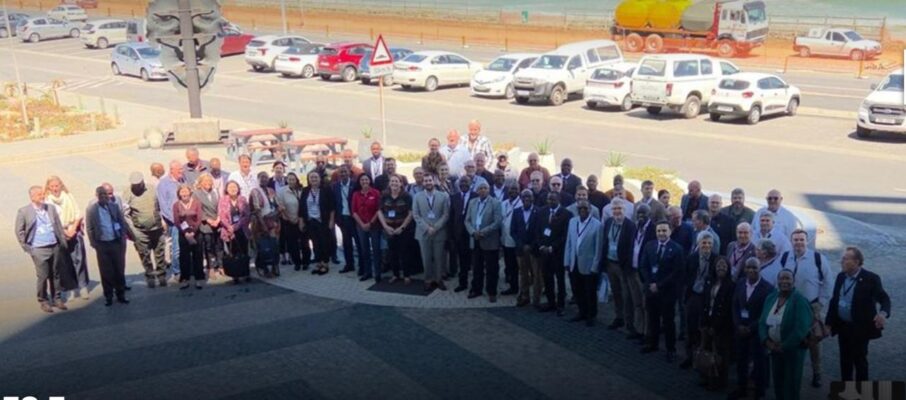
Absence is the biggest stumbling block in the fight against foot-and-mouth disease. At an international foot-and-mouth disease conference in Cape Town, where Southern Africa’s best veterinarians, most influential officials, farmers, vaccine manufacturers, decision-makers from the UN’s Food and Agriculture Organization (FAO), the World Organisation for Animal Health (WOAH), and the Pirbright reference laboratory all contributed—many participants came to this conclusion. The world and the subcontinent’s most respected FMD experts were under one roof to exchange ideas, expertise, and science, but the Department of Agriculture was not there.
Every successful and unsuccessful neighbouring state also shared its experience of the disease, and asked for and received advice and assistance—except South Africa. Not even the Western Cape, a stone’s throw from the conference venue, was present or involved.
“We can feel the tension and frustration,” a senior UN official said when asked about state control over foot-and-mouth disease. “We don’t know how to help if the government itself doesn’t show up!”
It was explained that the absence of the state is the reality that every farmer, every business, and every community in South Africa must learn to live with.
Before he was unceremoniously kicked off the Ministerial Task Team of veterinarians, Dr Danie Odendaal often complained that senior officials never attend their meetings. Their absence causes communication gaps, an inability to implement any recommendations, and conflict between the experience and expertise in the private sector and the power and material interests of notorious officials in agriculture’s deep state.
The same complaint comes week after week from the Minister’s industry committee: that there is never an opportunity to speak with the Minister and his senior officials on policy matters. Meetings become an internal echo chamber because the department is absent.
The department should have immediately, after the confirmation of the FMD outbreak in November 2024 in northern KZN, declared a disease management area and started vaccinations. For five months, however, they were absent, and only got around to it in March 2025—after FMD had already spread to neighbouring provinces.
If the responsible senior officials had not been absent, local virus samples would have been sent to the Pirbright reference laboratory nine months earlier. No pressure or encouragement from industry could move the department to send the samples—and in the absence of the state, the private sector is not permitted to do so itself.
In the worst outbreak of a state-controlled disease, the state—supposedly sitting in the control seat—is absent.
In earlier years the disease was controlled by setting up roadblocks around affected areas and restricting the movement of livestock. The army, police, traffic departments, commando units and farmers’ associations were all there, present. But the state has been absent for the past 15 years.
After Minister Steenhuisen changed the vaccination policy on 25 November 2025, thereby rendering the vaccination regulations irrelevant, no new regulations were put in place. Various organisations and businesses are working on drafts and inputs for new regulations, but the department is absent.
The absence of the state has left farmers at their wits’ end. By instinct, farmers want to step in where the department leaves gaps, and to perform the functions themselves when things fall apart. Farmers experience the greatest urgency because we have the most to lose.
But because FMD is a state-controlled disease over which the state has now lost control, the livestock industry remains at the mercy of an absent state. The only hope is that the court will confirm the private sector’s right, in the absence of the state, to enter those spaces that are indispensable to the effective fight against the disease.