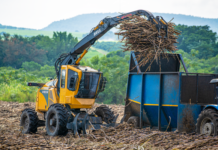


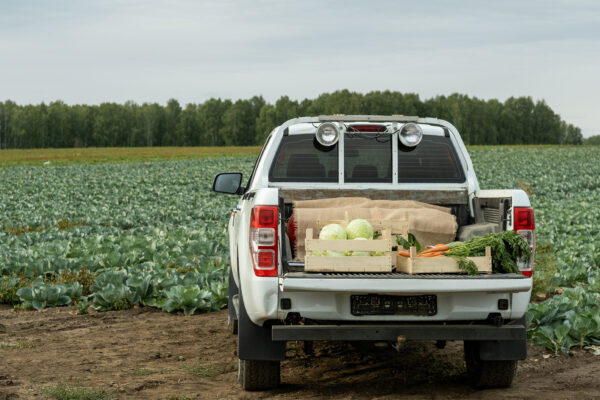
Both crop and livestock farmers employ a wide range of vehicles on their farms. From the faithful, hard-working farm bakkie to more specialised equipment for harvesting, livestock maintenance and even minor earthworks, keeping these machines running well is a key imperative – and often a significant headache – for farmers.
Trevor Wentzel, sales rep for lubrication specialists Lubrication Engineers (LE) South Africa in Rustenburg in North West province says that he sees significant opportunity for farmers to benefit from high-quality lubricants that can ease their maintenance burden.
Wentzel, who has personal experience working on and managing game farms, says, “Something I’ve learned in in farming is you’ll never catch up on maintenance once it gets away from you.” His hope is that for the clients he works with in the region, he can help them overcome this and not only ‘catch up’ on maintenance, but feel like they have an effective long-term plan to manage it.
Pairing the right piece of equipment with the right lubricant – or finding the ideal multi-purpose lubricant for multiple applications – can save farmers significant time and money in the long run, says Wentzel.
“The farming industry can be quite tough because they’ve got a very small staff complement. One person can be responsible for three jobs, and if a tractor breaks down and that pulls that person away, three potential things are not being done in that day because a machine is broken. So, for me, being able to help with reliability of machinery means it’s one less thing for them to worry about,” he adds.
Saving on fuel costs and downtime
Many day-to-day farm vehicles have high fuel consumption rates. These hardworking machines are the backbone of successful farming, but their prominence means that saving on fuel costs can have a swift and obvious impact on a farm’s balance sheet. Fuel additives, like those that LE supplies, can extend the life and improve the consumption rates of older vehicles, and help farmers get the most out of their new vehicles.
Some farmers have winches and trailers, and most of them have got multiple tractors, so where they can use one product that lasts longer, combined with a good fuel additive, it can make a significant difference, says Wentzel.
Wentzel says he has also seen that greasing of implements is often done after every single use, which can be wasteful as it means the lubricant is not staying in place long enough to be effective. If the grease is flung off into crops or grazing land then it also becomes potentially environmentally hazardous. “The ideal product saves farmers time because they don’t have to apply it daily, it protects their land from contamination, and it increases their equipment reliability,” he says.
“I’m really excited when I get to help a client, because I know first-hand how difficult it can be to manage all of these complicated aspects without the right help or products that work well,” says Wentzel.
While high-quality lubricants can be more expensive than those maintenance teams are used to buying, the benefits and long-term cost savings quickly become apparent. Many cheaper lubricants compromise value over price, and, as with many things, cheap products produce inferior results. “It’s an investment mentality,” says Wentzel.