

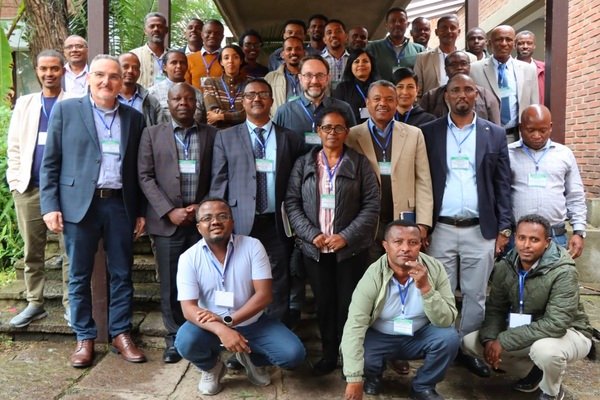
Wheat breeders from Ethiopia, Kenya, Malawi and Zimbabwe have met in Addis Ababa to strengthen regional collaboration and explore digital and data-driven breeding tools aimed at developing improved wheat varieties that can withstand climate and disease pressures.
The five-day meeting, held from August 10–14, 2026, was organized by the International Maize and Wheat Improvement Center (CIMMYT) as part of the second Global Wheat Program Community of Practice (CoP).
The gathering brought together scientists to exchange experiences, strengthen technical skills and examine modern approaches that can make national wheat breeding programmes more efficient and responsive to farmers’ needs.
The discussions come as wheat production across Africa faces growing pressure from climate change, drought, erratic rainfall and emerging diseases. Scientists said these challenges increasingly require countries to share knowledge, technologies and responsibilities rather than work independently.
A major focus of the meeting was the use of genomic, digital and data-driven technologies to improve breeding pipelines. Participants were introduced to the Enterprise Breeding System (EBS), alongside tools such as Bioflow and Field Book, which support several stages of breeding, including parent selection, crossing, generation advancement, trial management, digital data collection, analysis and data-based selection.
Dr. Shitaye Home, a plant breeder and senior researcher at the Ethiopian Institute of Agricultural Research (EIAR), said collaboration would be essential in addressing challenges that affect wheat production across national borders.
“These challenges cannot be addressed by individual breeding programs alone. The CoP provides an important platform for sharing knowledge and responsibilities and working collectively to address these challenges,” Shitaye said.
She also called for continued coaching and technical support for researchers at federal and regional research centres as they adopt digital tools and integrate them into their breeding programmes.
For Masawi Jairos, a wheat breeder at Zimbabwe’s Crop Breeding Institute, the practical exposure to the Enterprise Breeding System was particularly valuable as many breeders are still becoming familiar with the technology.
“We cannot address these challenges in isolation. We need to exchange knowledge, share experiences, participate in further training, and integrate EBS and other modern tools into our breeding systems,” Jairos said.
He identified disease resistance and climate adaptation as areas where stronger regional cooperation is particularly important, given the increasing frequency of droughts, unpredictable rainfall and emerging disease threats.
The meeting also highlighted the importance of building institutional capacity alongside technological advancement. Prof. Niguse Dechasa, Director General of EIAR, said the long-standing partnership between CIMMYT and Ethiopia had contributed to germplasm exchange, wheat breeding and pathology research, advanced research methods and scientific capacity building.
“This partnership has not simply been about research outputs; it has been about building people, strengthening institutions, sharing knowledge, and creating lasting scientific capacity,” Dechasa said.
Dr. Flavio Breseghello, Director of CIMMYT’s Global Wheat Program, discussed emerging trends in wheat research, including advances in hybrid wheat, and emphasized the role of innovation and modern breeding approaches in accelerating genetic gains.
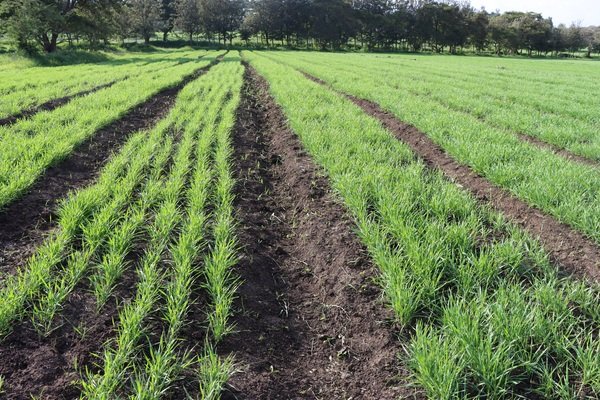
The collaboration extended beyond the workshop, with CIMMYT representatives meeting Ethiopian agricultural and research institutions and visiting wheat research activities at the Kulumsa and Bishoftu Agricultural Research Centers.
CIMMYT said the success of the initiative will ultimately depend on how effectively the knowledge, digital tools and regional networks developed through the Community of Practice are integrated into national breeding programmes.
By combining modern breeding technologies with stronger regional partnerships, African wheat breeders hope to accelerate the development of varieties better suited to drought, erratic rainfall, disease and the changing needs of farmers.