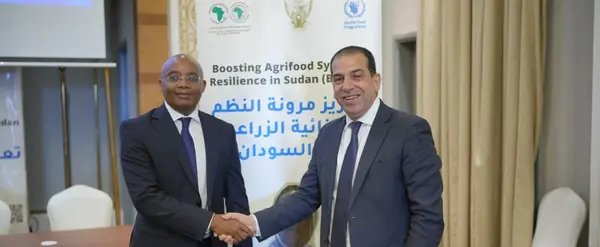
The African Development Bank Group and its partners have launched a new agricultural resilience programme in Sudan targeting 232,000 smallholder farmers and an overall 25 per cent increase in productivity as the country seeks to strengthen food security and rebuild rural livelihoods.
The Boosting Agrifood Systems Resilience in Sudan (BOOST) project will support farmers organised through 175 cooperatives in Blue Nile and Sennar states, two areas affected by conflict and climate pressures.
The four-year initiative is expected to improve agricultural production across 1.16 million hectares and generate more than 980,000 tonnes of agricultural produce valued at an estimated $468 million. The increased output is expected to improve local food availability while raising farmers’ incomes.
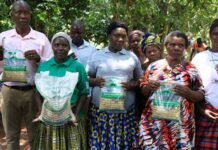
The project will also distribute more than 1.2 million airtight storage bags to over 200,000 farmers as part of efforts to protect harvests and reduce losses after production.
BOOST is expected to cut post-harvest losses by between 20 and 25 per cent through the rehabilitation and equipping of 140 community-managed storage and processing facilities. The facilities are intended to help farming families preserve more of their produce and increase the quantities they can sell in local markets.
Farmers will also receive improved access to climate-resilient seed systems, agricultural technologies and more sustainable production methods.
David Muthusi Mutuku, the African Development Bank’s Country Manager for Sudan, said the programme represents a broader investment in agricultural recovery and opportunities for young people and women.
During the launch, Mutuku described BOOST as “an investment in food security, resilient infrastructure, enterprise and opportunity for Sudan’s women and young people.”
He added: “By targeting women and youth with improved skills, access to finance, technology and market, BOOST will help Sudanese move from seeking opportunities to creating enterprises and jobs themselves.”
The programme will support youth-led cooperatives, agricultural small businesses and start-ups through training, finance, technology, mentorship and improved market access.
Abdallah Alwardat, WFP’s Sudan Country Director, said the partnership was intended to address both immediate food needs and longer-term resilience.
“This partnership is about more than agriculture,” Alwardat said. “It is about changing the trajectory from humanitarian dependence to resilience, from vulnerability to self-reliance, and ultimately from growing to eat to growing to sell.”
BOOST is financed through the African Development Fund and implemented by the World Food Programme in partnership with the Food and Agriculture Organization, UN Women and the International Maize and Wheat Improvement Center.
The project builds on wider support for Sudan’s agricultural recovery, including the Sudan Emergency Wheat Production Project Phase II, which had reached 86,585 farmers and distributed more than 18,000 tonnes of certified seed and fertiliser by March 2026.