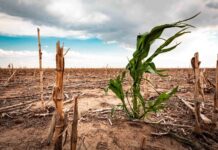


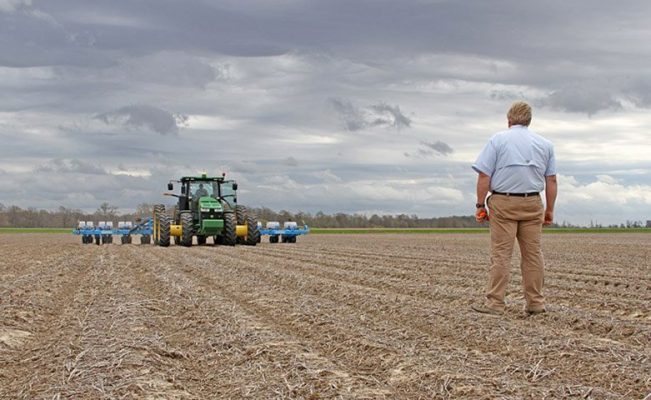
Saai is calling for careful planning and timely support measures as South African farmers prepare for a potentially challenging 2026–27 production season, following warnings from the South African Weather Service about El Nino related heat and drought conditions.
As Southern Africa is moving from a season of abundance supported by La Niña-related rainfall towards a more uncertain season expected to begin in mid-October 2026, farmers remain uncertain in their input procurement and production planning. Improved soil moisture after the previous summer rainfall may support planting at the start of the season, but subsequent production will depend heavily on rainfall in the early season and other weather conditions.
Approximately 20% of summer grains and oilseeds are irrigated, with most production dependent on rainfall. Irrigation water is increasingly the focus of political interference, with the ANC pushing for a “transformation of water rights” and “race-based allocations” similar to the disastrous land reform programme which has taken some 2,5 million hectares out of commercial food production and failed to create a class of profitable black farmers.
For family farmers, drought risk can affect planting decisions, production costs, livestock conditions, cash flow, and the availability of food for local markets. Farmers require timely, reliable information on seasonal forecasts, water resources, input markets, and available support measures.
Dr Theo de Jager, board chairman of Saai, said: “2026 Is the year of the perfect storm with unprecedented flooding, Foot-and-Mouth disease and high cost of fertilizer and diesel. It is predicted to draw to a close with a warm dry summer, forcing farmers to rethink their production plans and input budgets. This is not a year for taking chances on marginal fields.”
For the next few weeks, farmers must be alert and ready for fires, have their firefighting equipment ready and ensure that their work forces are well informed of firefighting strategies and safety protocols. Increased biomass from the heavy rain in the earlier months of 2026 means increased risks of fire” he said.