

Strengthening early warning systems, rapid disease detection and coordinated emergency response is critical to preventing the spread of transboundary and high-impact animal diseases that threaten livestock production, food security, public health and livelihoods, according to the Food and Agriculture Organization of the United Nations (FAO).
The agency says diseases that spread rapidly across national borders, such as foot-and-mouth disease, African swine fever, highly pathogenic avian influenza and peste des petits ruminants, continue to pose significant risks to animal health and global food systems.
Their impacts extend beyond the livestock sector, disrupting trade, reducing farmers’ incomes and, in some cases, increasing the risk of diseases spilling over from animals to humans.
To address these threats, FAO has established the Emergency Prevention System for Animal Health (EMPRES-AH), a global programme that focuses on strengthening countries’ capacities to prevent, detect and respond to animal disease outbreaks before they escalate into major emergencies.
The programme is built around the principle that prevention is more effective and less costly than responding to widespread outbreaks. It supports countries through improved surveillance systems, laboratory diagnostics, disease intelligence, risk analysis and emergency preparedness, enabling veterinary services to identify emerging threats quickly and implement timely control measures.
Robust early warning systems
According to FAO, robust early warning systems are the first line of defence against transboundary animal diseases. Continuous surveillance, routine monitoring and the timely sharing of disease information allow veterinary authorities to detect unusual disease events at an early stage, assess the level of risk and mobilize rapid response measures before infections spread across regions or international borders.
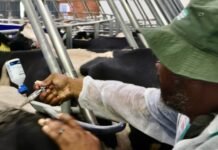
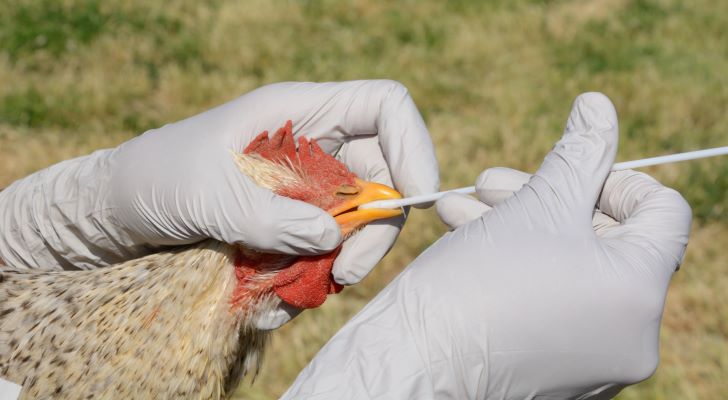
Rapid detection is equally important because delays in identifying disease outbreaks can significantly increase their economic and social impacts. FAO emphasizes the importance of strengthening veterinary laboratory networks, improving diagnostic technologies and investing in skilled animal health professionals capable of accurately identifying disease-causing pathogens.
Early diagnosis enables authorities to implement targeted interventions such as movement controls, quarantine measures, vaccination campaigns where appropriate, culling of infected animals and enhanced biosecurity practices.
These measures help contain outbreaks while minimizing losses to livestock producers and reducing disruptions to domestic and international trade.
Coordinated emergency response systems
FAO also highlights the importance of coordinated emergency response systems that bring together veterinary services, governments, international organizations and local communities.
Effective preparedness plans, simulation exercises and emergency response mechanisms ensure that countries can react swiftly when outbreaks occur, limiting disease spread and reducing long-term economic damage.
The organization notes that the increasing movement of people, animals and animal products, combined with climate change, environmental degradation and changing agricultural practices, is creating new opportunities for infectious diseases to emerge and spread.
These evolving risks underscore the need for stronger international cooperation and continuous investment in animal health systems.
Central to FAO’s approach is the One Health concept, which recognizes that the health of humans, animals, plants and the environment are closely interconnected. Many emerging infectious diseases affecting humans originate in animals, making collaboration across multiple sectors essential for preventing future health emergencies.
Through its One Health programme, FAO works with governments and international partners to strengthen integrated surveillance, improve disease prevention and promote coordinated responses that address risks at the interface between people, animals, plants and ecosystems.
The approach encourages collaboration among veterinary, public health, environmental and agricultural authorities to improve preparedness for both animal and zoonotic diseases.
Addressing underlying drivers
FAO says preventing disease emergence requires addressing underlying drivers such as habitat loss, biodiversity decline, unsustainable agricultural expansion and environmental changes that increase contact between wildlife, livestock and human populations.
Tackling these factors can reduce the likelihood of pathogens crossing species barriers and triggering new outbreaks.
The organization also stresses the importance of building resilient veterinary services through sustained investment in workforce development, modern diagnostic infrastructure, digital surveillance tools and effective disease reporting systems.
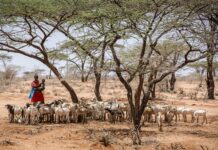
Public awareness campaigns and farmer engagement are equally important, as livestock keepers often provide the first indication of unusual disease events through timely reporting.
As transboundary animal diseases continue to threaten global food production and rural livelihoods, FAO maintains that countries must adopt proactive rather than reactive approaches to disease management.
Strengthened early warning systems, rapid detection capabilities, coordinated emergency response and the implementation of the One Health approach will be essential to safeguarding animal health, protecting public health and ensuring resilient and sustainable food systems in an increasingly interconnected world.