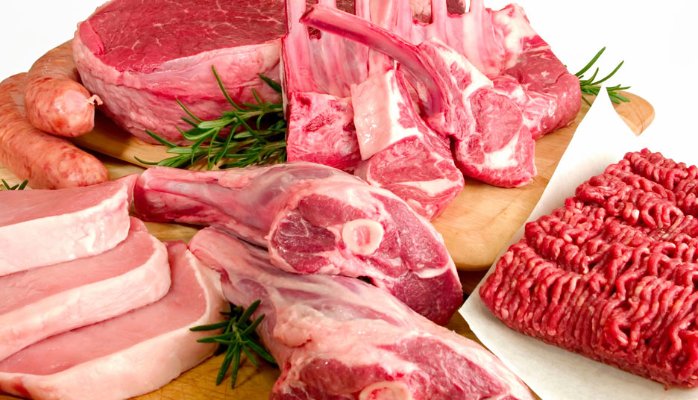
The Presidential Envoy on Agriculture and Land, Wandile Sihlobo, has reassured consumers that beef and dairy products available in South Africa remain safe for consumption, despite ongoing challenges posed by foot-and-mouth disease in the cattle industry.
Sihlobo emphasised that while the country’s cattle sector continues to grapple with outbreaks of foot-and-mouth disease (FMD), the disease does not pose any danger to humans. He said consumers should remain confident when purchasing beef and dairy products from retailers, butcheries, supermarkets and popular outlets such as Shisa Nyama establishments.
“I want to underscore that foot-and-mouth disease poses no risk to human health. The beef and dairy products on our shelves are safe to consume,” said Sihlobo on his X account.
South Africa’s cattle industry has been under significant financial strain as authorities and farmers work to contain the spread of the disease. The outbreaks have affected both beef and dairy producers, leading to movement restrictions, vaccination campaigns and increased biosecurity measures in affected areas.
News of the outbreaks and ongoing vaccination efforts has raised concerns among some consumers about the safety of meat and dairy products. However, veterinary and agricultural authorities have consistently maintained that FMD is an animal health issue and does not affect food safety.
Sihlobo explained that foot-and-mouth disease primarily affects cloven-hoofed animals, such as cattle, by reducing their productivity. Infected animals may experience fever, blisters and lameness, which can lower milk production and weight gain. This has direct economic consequences for farmers but does not translate into health risks for consumers.
He also addressed questions about why some export markets have temporarily restricted imports of South African beef if the disease is not harmful to people. According to the envoy, these measures are precautionary and aimed at protecting the livestock industries of trading partners.
“The restrictions are not about consumer safety. They are about containing the spread of the disease and ensuring that cattle populations in importing countries are not affected, as foot-and-mouth disease reduces productivity in animals,” he said.
As a result of the outbreaks, some countries have imposed temporary bans or limitations on South African beef imports. However, exports have not come to a complete halt. Data for 2025 show that South African beef exports declined by 22%, reflecting the impact of the disease and associated trade restrictions, but shipments have continued to certain markets.
Sihlobo noted that countries in parts of the Middle East, which do not have large domestic cattle herds, have continued to import South African beef. This has provided some relief to local producers facing constrained access to traditional markets.
The cattle industry remains a significant contributor to South Africa’s agricultural economy, supporting thousands of farmers, feedlots, processors and workers across the value chain. The financial strain caused by FMD outbreaks includes costs linked to vaccination, testing, biosecurity upgrades and limited animal movement.
Against this backdrop, Sihlobo called on consumers to support the local industry by maintaining normal purchasing patterns.
“At times like this, one of the most practical ways to support the industry is to continue buying beef and dairy products as usual,” he said. “We need to ensure that we do not see subdued demand due to misunderstandings about food safety.”
Industry stakeholders have echoed the message, stressing that meat inspection systems, veterinary controls and food safety standards remain firmly in place. Products that reach retail shelves have undergone the required checks and comply with national regulations.
While efforts to control foot-and-mouth disease are ongoing, Sihlobo expressed confidence in the resilience of South Africa’s livestock sector. He said collaboration between government, veterinary services and farmers remains critical to limiting the impact of the disease and restoring full access to export markets.
For now, he reiterated, consumers can shop with confidence.
“The key message is simple,” Sihlobo said. “Beef and dairy products in South Africa are safe for consumption. Let us continue to support our farmers and the broader agricultural sector during this challenging period.”