

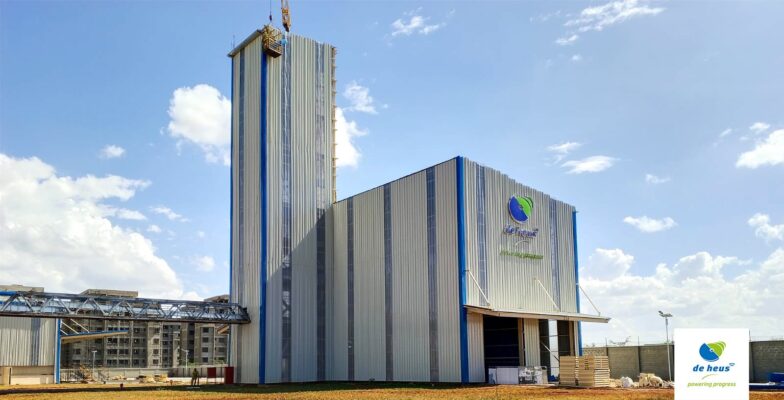
Global animal nutrition company De Heus Kenya to launch a Ksh 3 billion animal feed manufacturing plant at Athi River this month, a move expected to significantly improve access to quality, consistent and affordable animal feed for livestock farmers across the country.
The facility will be officially launched on February 18, 2026, marking one of the largest private-sector investments in Kenya’s livestock and agribusiness sector in recent years. The project is expected to play a critical role in transforming animal feed production in Kenya, addressing long-standing challenges such as high feed costs, supply shortages and inconsistent quality that have constrained livestock productivity.
Speaking ahead of the launch, De Heus Kenya Managing Director Wiehan Visagie said the Athi River plant reflects the company’s long-term commitment to supporting Kenya’s agricultural transformation through reliable and locally produced feed solutions.
“This factory is about building reliable systems for farmers,” said Visagie. “By manufacturing feed locally, we are addressing long-standing challenges such as inconsistent quality and dependence on imports, while supporting farmers to improve productivity and profitability.”
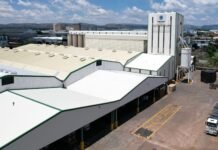
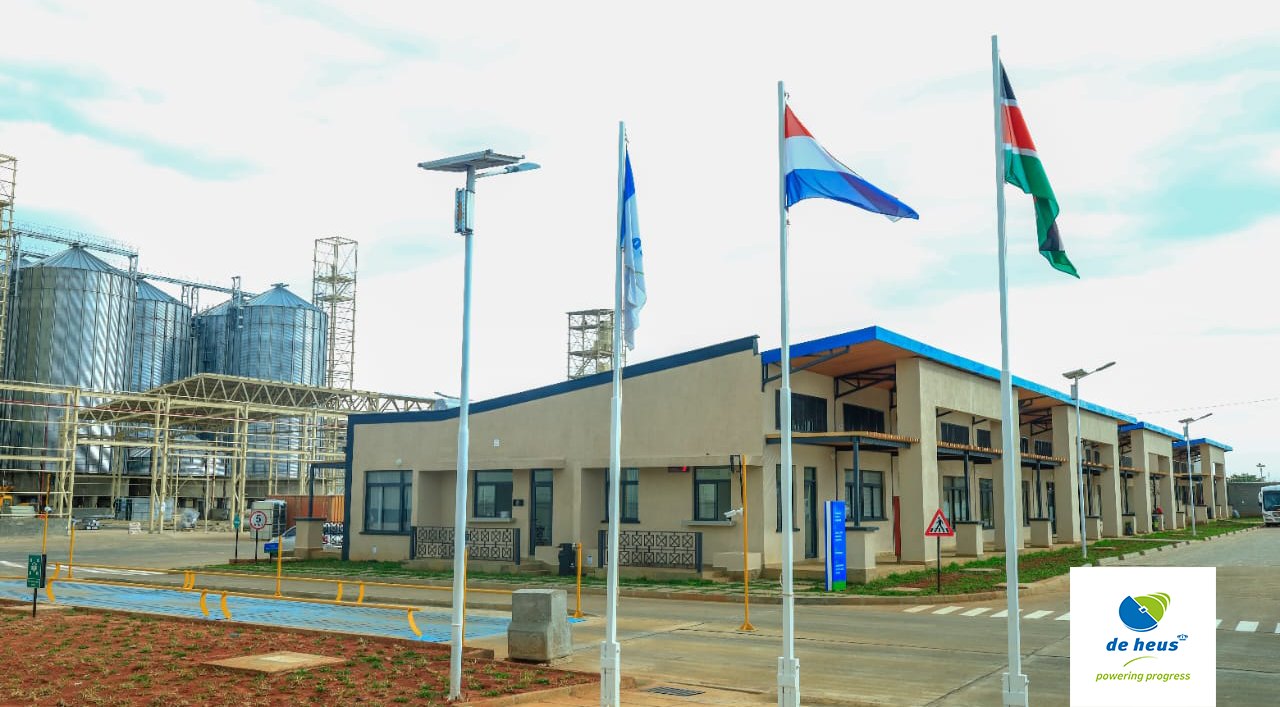
The Athi River facility will have an initial annual production capacity of 200,000 metric tonnes, with plans to expand output to 260,000 metric tonnes in the future. Once fully operational, it will rank among the largest animal feed manufacturing plants in East Africa.
The plant will produce a broad range of animal nutrition products, including compound feeds, premixes, concentrates and specialty feeds for poultry, pigs, ruminants and aquaculture. These products are designed to improve animal health, enhance productivity and help farmers achieve more stable and predictable farm incomes.
Kenya’s livestock sector is a key pillar of the economy, contributing about 12 per cent to the country’s Gross Domestic Product and supporting millions of livelihoods. However, productivity remains below potential, largely due to high input costs, with feed accounting for up to 70 per cent of total livestock production expenses.
According to a 2025 policy brief by the International Livestock Research Institute (ILRI), the livestock sector contributes approximately 3.8 per cent of Kenya’s GDP and 17.3 per cent of agricultural value. The country produces about 46 million metric tonnes of animal feed annually, below the estimated requirement of 55 million metric tonnes. Actual deficits can reach as high as 30 million metric tonnes, driven by competition between feed and human food, post-harvest losses and high import costs. Restrictions on cheaper feed alternatives, including genetically modified ingredients, further compound the challenge.
By producing feed locally, De Heus Kenya aims to shorten supply chains, improve traceability and develop nutrition solutions tailored to Kenyan farming systems. This approach is expected to reduce farmers’ exposure to global supply disruptions and volatile international prices.
Beyond manufacturing, the company plans to offer technical advisory services to farmers, focusing on feed utilisation, ration formulation and animal nutrition management. These services are intended to help farmers translate improved feed quality into measurable productivity gains.
The Athi River plant is expected to create about 250 direct jobs and up to 1,000 indirect employment opportunities across transport, logistics, packaging, distribution and raw material supply chains. Crop farmers are also set to benefit, as De Heus plans to source key raw materials such as maize and soybeans locally, creating reliable markets and boosting rural incomes.
The launch ceremony will be presided over by Agriculture and Livestock Development Cabinet Secretary Mutahi Kagwe and Industry Principal Secretary Dr. Juma Mukhwana, and is expected to draw government officials, industry stakeholders, farmers and development partners.