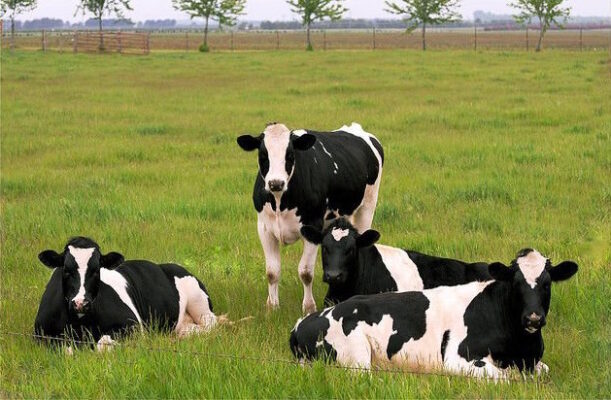
Rwanda has received its first consignment of high-genetic-merit dairy bulls in a move aimed at accelerating genetic improvement in the country’s livestock sector and scaling up bovine artificial insemination services.
The Rwanda Agriculture and Animal Resources Development Board (RAB) confirmed on Tuesday that it has taken delivery of 10 Holstein-Friesian bulls sourced from leading cattle breeders in Germany. The bulls are expected to play a critical role in strengthening Rwanda’s national artificial insemination (AI) programme and improving milk productivity across the country.
According to RAB, the imported bulls possess superior genetic potential capable of producing offspring that yield more than 10,000 litres of milk per lactation, a significant improvement compared to current national averages.
“This marks a major milestone in our efforts to enhance cattle genetics and improve livestock productivity nationwide,” RAB said in a statement.
The delivery is part of a broader import programme that will see an additional 20 high-genetic-merit bulls brought into the country in April 2026. The next batch will include Holstein-Friesian, Jersey and Brown Swiss breeds for dairy production, alongside Angus and Charolais bulls intended to strengthen beef production.
RAB said the combined imports are expected to significantly enhance the quality, quantity and diversity of bovine semen produced locally, addressing long-standing gaps in access to superior cattle genetics. The initiative is also expected to increase farmers’ incomes by improving herd performance and overall livestock productivity.
Beyond boosting AI services, the investment supports the establishment of a Centre of Excellence in Bovine Genetic Improvement at Songa, in Huye District. The centre is expected to serve as a national hub for advanced reproductive technologies, including artificial insemination and embryo transfer.
RAB noted that the facility will also provide training opportunities for farmers and livestock technicians, while supporting research and innovation in animal breeding and genetics.
“The centre will play a key role in building national capacity in livestock improvement and ensuring that farmers have access to modern, efficient reproductive technologies,” the board said.
The initiative aligns with Rwanda’s national development strategies, including the fifth Strategic Plan for Agriculture Transformation (PSTA 5) and the National Strategy for Transformation (NST2). These frameworks aim to increase national milk production to more than 1.32 million metric tonnes per year by the 2028/2029 period.
By improving cattle genetics and reproductive efficiency, the programme is expected to contribute to food and nutrition security while supporting Rwanda’s broader goal of transforming its agriculture and animal resources sector.
RAB said the enhanced availability of high-quality semen will particularly benefit smallholder farmers, who make up the majority of livestock producers in the country, by enabling them to access improved genetics without the high cost of importing breeding animals.
The livestock sector remains a key pillar of Rwanda’s agricultural economy, contributing to household incomes, nutrition and rural livelihoods. Experts say sustained investment in genetics and reproductive technologies is critical for improving productivity in a country where land is limited and efficiency gains are essential.
With the arrival of the first batch of bulls and further imports planned, RAB says Rwanda is positioning itself to make significant gains in dairy and beef production over the coming years.