

- Round co-led by PINC, Paulig’s venture arm, and Carbon Removal Partners and deployed to industrialise Cotierra’s reactor technology and digital platform
- Cotierra moves from successful pilots to repeatable, multi-year deployments, starting with coffee
Zurich, Switzerland, 29 September 2026 – Cotierra, the Zurich-based climate technology company developing decentralised biochar systems for agricultural value chains, has raised USD 3 million to take its technology from successful field deployments to repeatable commercial scale. The investment brings Cotierra’s total funding raised since inception to approximately USD 4.75 million.
The round was co-led by PINC, the venture arm of international food and beverage company Paulig, and Carbon Removal Partners, bringing together deep expertise across agricultural value chains and carbon removal. Zürcher Kantonalbank, Carbon Drawdown Initiative, better ventures, GOTA Ventures, Hungry4Impact and Triple Impact Ventures also participated, alongside climate and impact-focused angel investors.
Across tropical agricultural value chains, large volumes of agricultural residues are often left unused, while farmer productivity is declining due to deteriorating soil health and more frequent extreme weather. At the same time, food and beverage companies need to reduce emissions from their supply chains, while climate change threatens the reliability of their agricultural supply.
Cotierra addresses this by building the technology infrastructure to make decentralised biochar simple to deploy and scale across tropical agriculture. Its end-to-end solution combines decentralised reactor technology with the digital platform needed to operate, monitor and verify biochar production. This enables agricultural businesses to turn residual biomass into biochar close to where it is generated, return carbon to the soil and track the results. For customers, this means stronger farmer productivity and resilience, alongside reduced supply-chain emissions and carbon removal.
Having proven the technology in the field within the coffee value chain, Cotierra is now focused on turning those successful deployments into a fully integrated hardware and software product. Backed by a strong order backlog the company is scaling to fulfil across regions and supply chains.
Thomas Käslin, CEO and Co-Founder, Cotierra said: “We have shown that decentralised biochar offers a highly effective pathway to decarbonise and strengthen tropical agricultural value chains where biomass is widely dispersed. Now we are making it simple, reliable and scalable. Our ambition is to make it the standard solution for agricultural companies to strengthen farmer productivity and resilience while reducing emissions and removing carbon across their supply chains.”
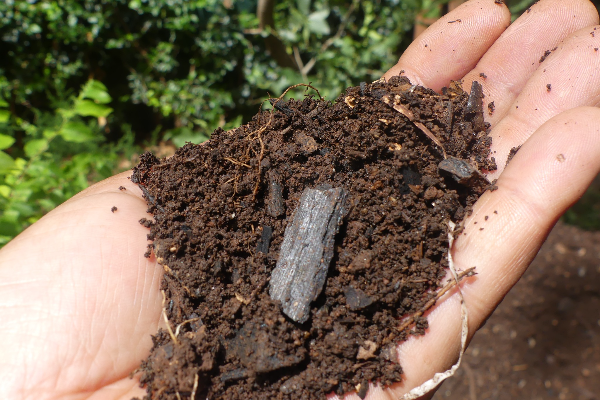
Cotierra has initially built its model in coffee and is now expanding across other tropical agricultural commodities, including cocoa, cotton and citrus.
Karl Swensson, Investment Director, PINC said: “For a food and beverage company like Paulig, the long-term resilience and productivity of agricultural value chains are fundamental. What stood out to us about Cotierra is the strong traction the company has achieved with coffee traders through a solution that delivers value for farmers, traders and coffee companies alike. We believe decentralised biochar can play an important role in reducing emissions and improving resilience in coffee-growing regions. As part of a broader portfolio of climate solutions, it has significant potential to contribute to Paulig’s coffee climate ambitions.”
Max Zeller, Founder & Partner, Carbon Removal Partners said: “Cotierra addresses a major untapped opportunity in tropical agriculture by leveraging agricultural waste to create resilient value chains, while delivering environmental benefits. Since our first investment, the team has transformed a strong technical concept into proven results in the field and gained significant commercial traction with many of the world’s largest coffee producers. Cotierra has built the foundation to become a leading technology platform for more resilient and higher-yielding value chains across the tropics.”