

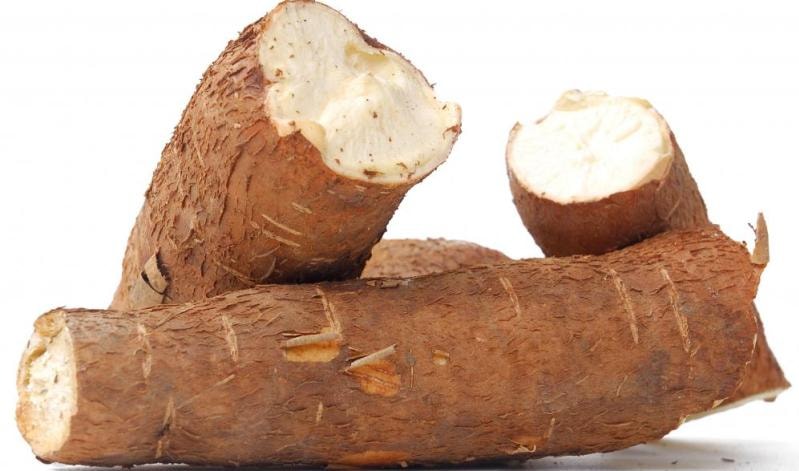
Tanzania is stepping up efforts to strengthen cassava farming through enhanced agricultural research partnerships aimed at improving food security, farmer incomes and climate resilience.
The initiative is being spearheaded by the Tanzania Agricultural Research Institute (TARI) in collaboration with the International Institute of Tropical Agriculture (IITA), as the two institutions deepen cooperation in developing improved cassava varieties and expanding agricultural technologies.
The renewed commitment was highlighted during a recent visit by an IITA delegation led by Director General Dr Simeon Ehui to TARI headquarters in Makutupora, Dodoma, where the delegation held discussions with TARI Director General Dr Thomas Bwana.
Speaking during the meeting, Dr Bwana described IITA as one of TARI’s most important research collaborators in supporting agricultural transformation in Tanzania.
“IITA is one of TARI’s top collaborators,” Dr Bwana said, adding that the partnership supports government efforts to improve livelihoods through agricultural innovation.
The collaboration between the two institutions dates back to 1994 and has focused on developing improved crop varieties, pest and disease management, soil health improvement, environmental conservation and food security enhancement.
According to TARI Director for Technology Transfer and Partnership Dr Sophia Kashenge, the partnership has already delivered major achievements in the cassava sector, including the release of about 25 improved cassava varieties with traits such as high yields, disease resistance, sweet taste and high dry matter content.
She said the collaboration has also boosted human resource development within Tanzania’s agricultural research sector.
“From 2013 to 2024, IITA sponsored 10 TARI researchers in their studies across fields like agronomy, soil science, plant protection, crop science, and sustainable agriculture,” Dr Kashenge said.
Beyond cassava research, the institutions have worked together on banana research programmes, exchange of research materials and knowledge-sharing among scientists.
Dr Kashenge further noted that the partnership is now exploring modern digital agricultural technologies, including artificial intelligence, drones and robotics, to support dissemination of new farming technologies to farmers.
The renewed partnership comes as Tanzania intensifies efforts to make cassava a strategic crop capable of supporting economic growth and food security. Government data shows improved cassava varieties developed by TARI can produce between 20 and 50 tonnes per acre while offering resistance to drought, pests and diseases.
Tanzania has also been investing in clean seed systems and farmer training programmes to increase adoption of improved cassava varieties across the country.
Projects such as Muhogo Bora, a collaboration involving TARI, IITA and Cornell University, have helped expand access to improved cassava planting materials, especially among women and youth farmers.
Agricultural experts say strengthening research partnerships will be critical in helping Tanzania modernise cassava farming, improve productivity and enhance resilience against climate change and crop diseases.