

A simple change in how pigeonpea is established in the field could raise yields by nearly 20 per cent, according to new research by the International Crops Research Institute for the Semi-Arid Tropics (ICRISAT).
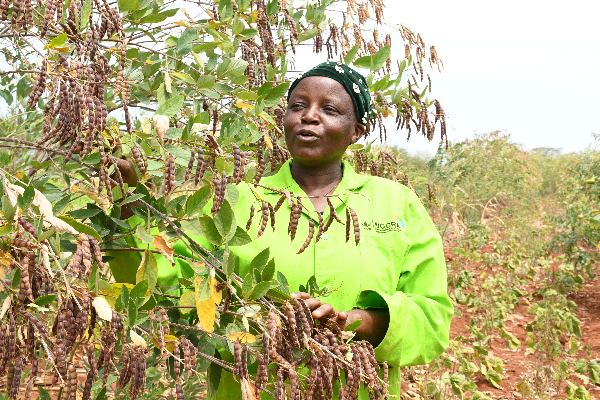
Researchers at ICRISAT found that transplanting pigeonpea seedlings — raising young plants in a nursery before moving them to the main field — significantly improved productivity. Productivity in transplanting trials rose from about 2.5 tonnes per hectare to nearly 3 tonnes per hectare, while also reducing climate risk and shortening the crop’s duration.
Instead of sowing seeds directly into the soil — the common practice — transplanting gives plants a head start by establishing stronger seedlings early in the season, making better use of soil moisture and helping crops withstand early-season drought and uneven rains.
“Our research now shows that it can do the same for crops like pigeonpea, unlocking the crop’s full commercial productivity potential under rainfed conditions,” said ICRISAT Director General Dr Himanshu Pathak, underscoring how transplanting could transform pigeonpea farming.
Field trials conducted by ICRISAT consistently showed that transplanted crops outperformed direct-seeded plants across varying climatic conditions.
Much of the advantage was attributed to the stronger, better-developed root systems of transplant-grown plants, which improved both nutrient and water uptake and increased resilience to climate variability.
ICRISAT Deputy Director General – Research & Innovation Dr Stanford Blade added that the transplanting approach also has benefits beyond yield. “The approach is both viable and immediately scalable, allowing farmers to adapt to climate variability with minimal additional inputs or infrastructure,” he said.
He noted that transplanting also shortens crop duration by around 12–18 days, helping plants reach maturity before the onset of dry soil conditions.
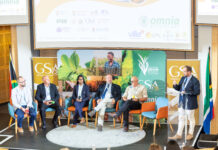
To support wider adoption, ICRISAT recently convened a multi-stakeholder consultation to standardize transplanting protocols and promote climate-resilient technologies for sustainable pigeonpea production in Odisha.
Expert researchers, extension officials, government representatives, and farmers collaborated to refine best practices and scale up implementation efforts.
At the event, Dr Pathak also released the Seedling Transplanting Protocols for Sustainable Pigeonpea Production in the Semi-Arid Tropics, a standardized guide aimed at ensuring quality and consistency as farmers adopt the practice.
Mr Arun Kumar Behera, representing the Government of Odisha’s Department of Agriculture, said, “We are extremely encouraged by the project’s progress, particularly the field trial results and the positive feedback from research partners and farmers.”
The research and trials were led by ICRISAT scientists Dr Ramesh Singh (Theme Leader – Regenerative Landscapes), Dr Shalander Kumar (Deputy Global Research Program Director – Transforming Agrifood Systems), and Dr Gajanan Sawargaonkar (Principal Scientist – Systems Agronomy).
This shift in agronomic practice aligns with broader efforts to strengthen climate resilience, close the yield gap in rainfed pigeonpea systems, and promote more sustainable production across dryland farming regions.