

Uganda’s oilseed farmers are increasingly moving from subsistence agriculture to commercial production, with rising yields, stronger market linkages and growing incomes emerging as key outcomes of the National Oil Seeds Project (NOSP).
Findings from the ongoing NOSP Mid-Term Review show that interventions under the project are contributing to significant changes in farming communities, with increased oilseed production translating into improvements in household education, housing, sanitation and farm expansion.
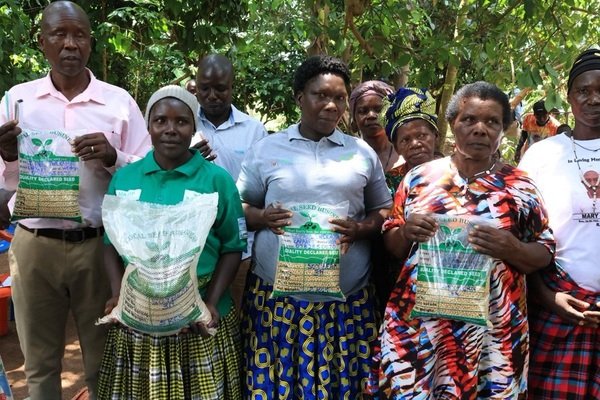
Field engagements conducted as part of the review have highlighted gains among farmers in districts including Kiboga and Hoima, where producer groups and individual farmers are reporting higher production and improved earnings from groundnuts and soybeans.
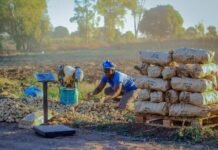
In Kiboga, the 50-member Tukwatanitse Farmers Group increased its groundnut production from 6,020 kilogrammes in the 2025B season to 9,370 kilogrammes in the 2026A season.
The increase in production was accompanied by a rise in group earnings from Shs22.5 million to Shs40 million, reflecting improved productivity and stronger engagement with markets.
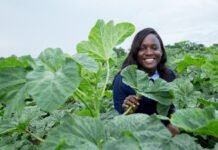
In Hoima, St. Paul Twekembe Farmer Group has also recorded substantial growth in soybean seed production. The group expanded its soybean seed production area from two acres in the 2023B season to 14 acres by the 2026B season.
The expansion points to growing technical capacity among farmers and increased confidence in soybean production as a commercial enterprise.
The impact of the project is also being felt at the household level, with farmers using oilseed income to meet major family needs and invest in productive assets.
One beneficiary, Atiku John, harvested 1,000 kilogrammes of soybeans from 1.3 acres during the last season and earned Shs2.5 million. The income has helped him support his daughter’s university education.
His daughter has since graduated with a degree in Oil and Gas and is currently undertaking training in France, highlighting how income from oilseed farming can contribute to long-term investment in education.
Atiku has also used his increased earnings to improve sanitation at his home by constructing a modern pit latrine for household use and guests.
Another farmer, Akon Florence, earned Shs3 million from soybean production last season. She invested Shs1.5 million to complete her permanent house and reinvested the remaining Shs1.5 million in expanding her farm.
Her reinvestment has enabled her to increase her soybean production area to seven acres under the St. Paul Twekembe Farmers Group.
The experiences of farmers such as Atiku and Akon demonstrate that the benefits of oilseed production extend beyond increased agricultural output. Higher farm incomes are enabling households to improve their living conditions, finance education, strengthen sanitation and expand their productive capacity.
The developments are part of the broader objectives of NOSP, which seeks to strengthen Uganda’s oilseed value chains and improve the livelihoods of participating farmers.
The ongoing Mid-Term Review is expected to provide an opportunity for the Ministry of Agriculture, Animal Industry and Fisheries (MAAIF), the International Fund for Agricultural Development (IFAD) and other partners to assess progress and identify areas requiring greater attention.
The review will also help stakeholders refine investments and strengthen implementation during the remaining project period, with the aim of delivering greater benefits to oilseed farmers and their communities.
For farmers in Kiboga and Hoima, the emerging results suggest that oilseed production is becoming more than a source of food and seasonal income. It is increasingly serving as a pathway to commercial agriculture, household investment and improved livelihoods.