

Seed quality is often associated with a laboratory test and a number printed on a seed bag. However, according to Viwe Siwisa Quality Testing Manager at Corteva Agriscience, quality assurance in a modern seed system begins much earlier than the laboratory.
Siwisa’s presentation at the recent Smart Seeds & Fertiliser Innovation Forum in Pretoria highlights the importance of building quality into every stage of the seed value chain. Siwisa’s states that “Quality is front loaded in the field, the lab is the guardian at the end of the value chain, ensuring transparency and accountability, but cannot compensate for poor practices up stream.”
This places responsibility for seed quality across the entire seed production and handling process. Field practices, environmental conditions, harvesting and post-harvest handling can all influence the quality of the final seed lot. Representative sampling, traceability, field inspections and appropriate training of personnel are therefore essential components of quality assurance. Quality assurance, therefore, is not a final inspection. It is a continuous process that starts in the field, is strengthened through disciplined laboratory practice and ultimately provides farmers with confidence in the seed they plant.
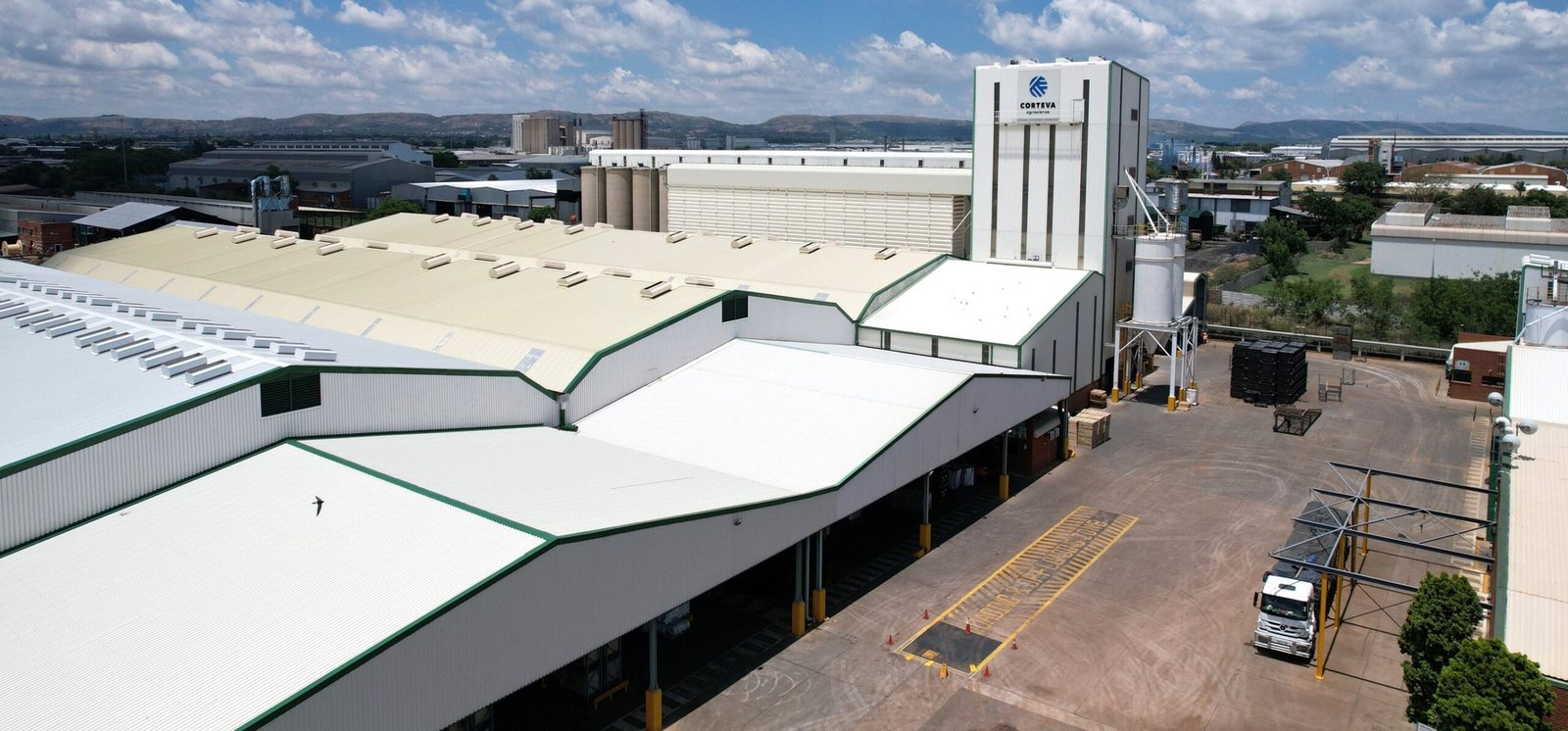
The laboratory nevertheless has a critical role to play. Seed testing includes assessments such as physical purity and germination, while seed sizing and characterisation also form part of modern testing systems. Corteva’s regional quality testing network is designed to generate data that are reliable, repeatable and accurate across crops including maize, soybeans, sunflower, canola and sorghum.
Meeting this challenge requires a comprehensive quality-management system rather than simply relying on the test itself. This reflects the wider international emphasis on standardisation and laboratory competence. The International Seed Testing Association (ISTA) develops and publishes standard procedures for seed sampling and testing to promote uniformity, particularly in the evaluation of seed moving through international trade.
The ISO/IEC 17025 standard, jointly developed by the International Organization for Standardization and the International Electrotechnical Commission, similarly provides a framework for demonstrating the competence and consistent operation of testing laboratories.
Laboratory quality assurance includes controlled environmental conditions, standardised testing methods, calibrated equipment, competent personnel, proficiency testing and internal and external audits. The result is a modern seed-testing system in which the laboratory is not simply a place where seed is tested, but a trusted source of information supporting decisions throughout the seed value chain.
The system requires that consumables and testing materials be inspected to ensure that they meet specifications, while equipment must be capable of achieving the accuracy required for the test. Samples and materials must also be stored under appropriate environmental conditions so that their integrity is maintained.
Equipment such as weighing balances and sample-reduction dividers must be verified and calibrated. Temperature and relative humidity also require monitoring, with data loggers and other measuring devices providing information that allows laboratories to identify changes and take corrective action.
People and processes are equally important. Annual assessments of seed samplers and proficiency testing of analysts can identify trends and differences in performance. Where problems are identified, corrective action and training can be implemented. The objective is consistency, as customers should receive the same dependable result regardless of which analyst performs the test.
Documentation and auditing provide further safeguards. Quality manuals, standard operating procedures, forms and records must be controlled, reviewed and retained appropriately. Audits can identify gaps, improve efficiency, support corrective action and prepare laboratories for external accreditation assessments.
“These quality systems provide farmers with confidence in the quality of their crops and strengthen the foundation for food security for the future. As we look ahead Corteva Agriscience’s mission remains clear, to continue serving agriculture with integrity, precision and innovation”, said Siwisa.