

Across Africa, working dogs are far more important than beloved pets — they are fierce protectors of livestock, expert herders and steadfast companions. However, under harsh agricultural conditions, many are susceptible to disease and injury without access to professional veterinary care, often due to cost and distance.
African farmers must be prepared for anything when it comes to their faithful canines, becoming experts in common ailments and ready to respond to sickness or wounds. It requires them to prioritize prevention through early disease recognition and proper nutrition, learn to issue first aid and ensure their dogs’ longevity and effectiveness as fellow farming partners.
Proactive Health Management in Working Dogs
Disease prevention is the most essential strategy in ensuring a long, healthy and productive life for working dogs. This means that farmers must provide a balanced diet that supports their dogs’ immune systems and energy levels. It’s especially critical to deliver access to clean, fresh water to keep them hydrated, especially in warm climates.
Adequate shelter is even more necessary as Africa faces extreme weather, including prolonged heatwaves. Climate change studies confirm that temperatures are rising across eastern South Africa, with projections indicating a 2.3° Celsius increase by the end of the century under a medium-emissions scenario.
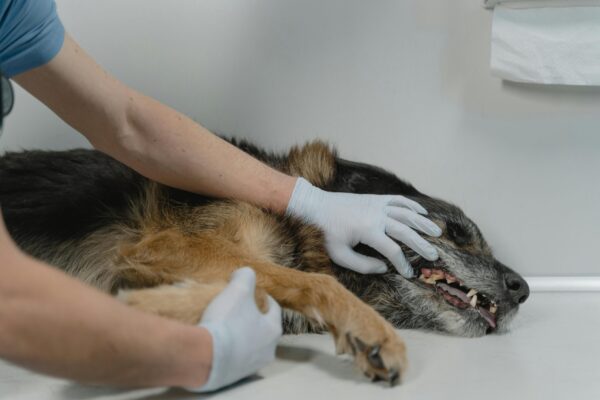
Working dogs also require regular grooming and checks. This is less for aesthetic reasons and more for addressing skin infections, parasites, injuries and lumps. Periodontal disease, in particular, is common in dogs over three years old, requiring farmers to brush their teeth for their well-being and comfort regularly.
These simple acts deliver a robust defense against illness when taking a dog to the veterinarian isn’t an immediate option.
Recognizing and Responding to Common Ailments
Even the most proactive measures may not prevent all ailments among working dogs. Farmers must carefully observe their canines’ energy levels, appetites and habits to determine if something is wrong and how to respond. Understanding the most typical and region-specific problems could mean the difference between a speedy recuperation and losing a valued worker and family member.
Tick-Borne Diseases
Ticks are among the greatest threats to livestock and working dogs in Africa, often transmitting between animals. According to one study, one tick species — Rhipicephalus appendiculatus — appears on 50.5% of cattle in Uganda.
Other research shows that domestic animals in Africa can be infested with up to 10 tick species capable of causing several harmful diseases. The most common signs of tick-borne illnesses include severe lethargy, loss of appetite, fever, gastrointestinal bleeding and pale gums.
While finding ticks on working dogs is a grave concern, seeing the signs of severe illness is an emergency. Removing the tick is the first step, but many canines may need advanced treatment.
Worms and Internal Parasites
Worms and internal parasites cause nutrient deficiencies in dogs, leading to poor performance and health outcomes. Farmers should look for gradual weight loss despite them eating, a dry and dull coat, diarrhea and scooting their rear on the ground.
More obvious signs are worms in their feces and vomiting. Some dogs also develop a swollen pot-bellied appearance around their midsection.
Maintaining a clean environment, removing feces and preventing dogs from eating other animal droppings is the best line of defense. Providing fresh, filtered water also helps prevent parasitic infections.
Viral and Bacterial Infections
Vomiting and diarrhea could be a sign of a viral or bacterial infection in working dogs and may cause life-threatening dehydration. Vets recommend withholding food for 12 to 24 hours before reintroducing small, bland meals. However, owners need to continue giving them clean water.
Although hand, foot and mouth disease is prevalent in cattle across Mozambique, Zimbabwe and surrounding regions, it doesn’t pose a threat to dogs. Despite this, farmers should be aware of blisters on their dogs’ paws or mouths, or if vomiting and diarrhea persist for more than a day or contain blood, which signals an emergency.
Building a Canine First-Aid Kit
African farmers should build a well-stocked first-aid kit to remedy injuries and illnesses in their working canines. For instance, having an antiseptic solution readily available, along with sterile bandages and dressings, will help prevent open cuts from becoming infected. Kits should also include fine-tipped tweezers for removing ticks and a syringe for flushing out wounds.
Other essential items to have handy include the following:
- Sterile saline solution
- Antiseptic powder or spray
- Gauze pads and rolls
- Cotton balls and swabs
- Adhesive tape and non-stick bandages
- Scissors
- Clean towel or blanket
Farmers should keep certain medications in the kit, including antihistamines, activated charcoal and milk of magnesia in case of an allergic reaction or poison consumption. These should be administered only with the veterinarian’s permission.
Even if producers aren’t able to get their dog to the veterinarian’s office, they should keep their contact information in a safe place so they can easily call with questions and receive proper guidance.
Health and Heritage — An Ancestral Perspective
Understanding dogs’ evolutionary journey can help African farmers better care for their working canines. For example, dogs’ diets evolved alongside the human diet at the start of agriculture. They began developing more of the AMY2B gene, enabling them to digest starch and turning them into omnivores. The genetic changes demonstrate dogs’ adaptability and inform people on how best to provide for them.
Wolves and other ancestral canids are also highly social and rely on each other for safety, hunting, pup-rearing and interaction. For instance, gray wolf packs typically consist of six to 10 animals that help each other catch large prey and care for the pups.
Therefore, a working dog has a deep-rooted need for companionship, social structure and stimulation. Ensuring there are other dogs or human interaction when they’re off the cock is vital for their mental and behavioral well-being. Providing a clear role with consistent tasks is equally crucial to prevent them from becoming bored or destructive.
A Healthy Partner for a Thriving Farm
When farmers prioritize the health and well-being of their working dogs, they see their farms prosper. An energetic dog can manage livestock, prevent crop damage and provide security against predators and thieves more effectively. Taking a proactive approach to nutrition, prevention, and first-aid readiness guarantees a long and productive life, even when veterinarian care isn’t immediately available.

Jane is an agriculture and environmental journalist and the founder and editor-in-chief of Environment.co, where she covers sustainability and eco-friendly living.