

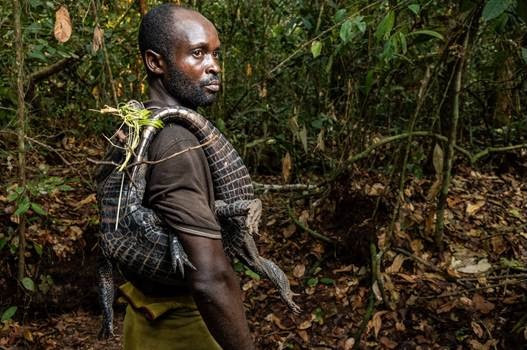
Among the most heavily hunted wildlife species in the Congo Basin, dwarf crocodiles are captured and transported alive from the rainforest to wild meat markets in major cities, so that their meat does not spoil. Photo credit: © Thomas Nicolon/WCS
Published in Nature, a new study based on extensive data collected across seven countries shows an alarming rise in wild meat consumption in Central Africa, driven by a surge in demand from fast-growing urban areas.
The study, led by the Centre for International Forestry Research and World Agroforestry (CIFOR-ICRAF) and co-authored by multiple Wildlife Conservation Society (WCS)-affiliated researchers, reveals that the total annual biomass of wild meat consumed in Central Africa increased from 0.73 to 1.10 million tonnes between 2000 and 2022.
The growing demand for wild meat in urban areas is leading to unsustainable hunting levels, threatening both wildlife and the food security of rural communities.
Whilst the human population in Central Africa has grown from 25 million to 140 million over the last century (with 51% now living in urban areas), human consumption of wildlife now poses a threat to 31% of all mammals, birds, reptiles and amphibians currently at risk of extinction in the region.
The study looks at the drivers behind this increase, particularly socio-economic and cultural factors, as wild meat is often seen as a status symbol, and also being considered healthier than farmed or imported meat, thus hindering the development of an already insufficient supply of farmed protein.
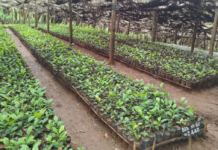
The study calls for the development of affordable and sustainable sources of protein for Central African metropolises, while stressing the importance of simultaneously fostering alternative sources of income for those currently involved in the wild meat value chain.
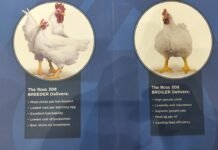
“The findings in Nature reflect a reality we see every day: the threat to our wildlife is as much an urban issue as much as a rural one. At WCS, we believe we can protect our natural heritage while strengthening food security. By pairing campaigns in Brazzaville and Kinshasa with support for local poultry farmers, we can deliver practical, community-led solutions that ensure both our forests and our livelihoods can thrive,” said Dr. Germain Mavah, Sustainable Wildlife Management (SWM) Programme Coordinator at Wildlife Conservation Society (WCS).
The study draws on the largest database ever compiled on the subject, covering more than 12,000 households across 252 sites in Central Africa (Cameroon, the Central African Republic, Nigeria, Gabon, Equatorial Guinea, Congo and the Democratic Republic of the Congo), highlighting the importance of collaboration and data sharing across NGOs, research institutions, community-led organizations and governments.
These findings are the result of a collaboration between the Centre for International Forestry Research and World Agroforestry (CIFOR-ICRAF), the Durrell Institute of Conservation and Ecology (DICE) at University of Kent, the University of Stirling, the Centre for Advanced Study of Collective Behaviour (CASCB) at University of Konstanz, and the Institute for Research on Tropical Ecology (IRET) in Gabon.
Analysis for this study was supported by the European Union-funded Sustainable Wildlife Management (SWM) Programme, which is currently running field projects in 16 countries. The initiative is implemented by a consortium of four partners, led by the Food and Agriculture Organization of the United Nations (FAO) with the Center for International Forestry Research and World Agroforestry (CIFOR-ICRAF), the French Agricultural Research Centre for International Development (CIRAD) and the Wildlife Conservation Society (WCS).
Data was collected through the WILDMEAT project (www.wildmeat.org), which has been supported by the US Fish and Wildlife Service (USFWS), US Agency for International Development (USAID) and UK Research and Innovation (UKRI).