

The International Institute of Tropical Agriculture (IITA) and the International Maize and Wheat Improvement Centre (CIMMYT) have launched a new initiative aimed at accelerating the adoption of climate-resilient, high-yield maize hybrids across West Africa.
Dubbed Resilient Maize Hybrids for Africa (2026–2028), the programme is funded by the Bill & Melinda Gates Foundation and seeks to support farmers transitioning from low-yielding open-pollinated varieties to improved hybrid seeds.
According to a statement shared by IITA on LinkedIn, the shift is expected to significantly boost crop productivity, raise farmer incomes, and strengthen food security in the region.
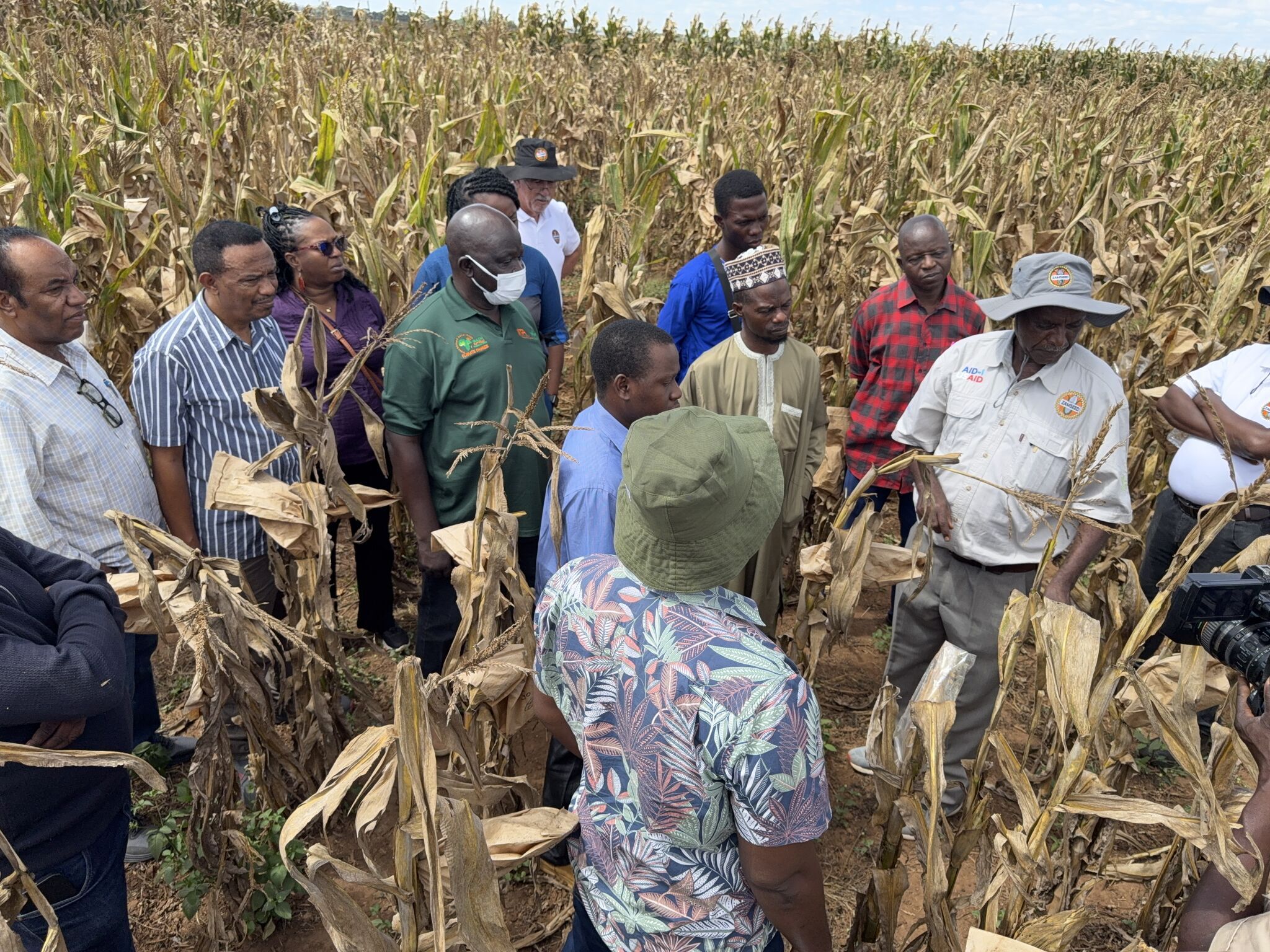
As part of the initiative, National Agricultural Research and Extension Systems (NARES) partners from Benin, Ghana, Mali, and Nigeria are currently undertaking a hands-on hybrid orientation and training tour in Zambia and Zimbabwe from April 20 to 26, 2026. The tour aims to draw lessons from countries that have successfully developed robust hybrid maize systems.
The programme began in Zambia, where participants visited leading seed companies, including Seed Co and Zamseed. The delegation gained practical insights into trial design and demonstration systems, development of maize product portfolios, seed value chains from breeding to marketing, and scaling breeder seed production.
Leading the delegation, John Derera, Head of Maize Breeding at IITA, underscored the importance of leveraging existing expertise. He noted that the initiative aims to increase hybrid maize adoption in West and Central Africa from the current 25 per cent to about 60 per cent within the next five to ten years.
Following the Zambia visit, the team is set to continue the learning tour in Zimbabwe, focusing on strengthening technical capacity and fostering public-private partnerships for sustainable hybrid seed development.