

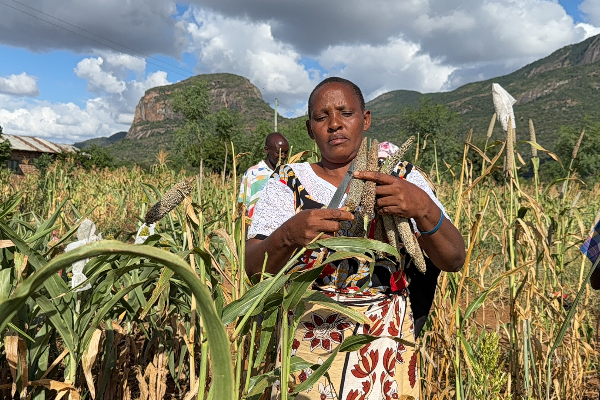
The International Crops Research Institute for the Semi-Arid Tropics (ICRISAT) has unveiled its Innovations & Impact Report 2025, presenting compelling evidence that innovation remains the critical bridge between escalating global challenges and practical, scalable solutions—particularly across the fragile drylands of Africa and Asia.
The report comes at a time of intensifying climate volatility, shifting geopolitical dynamics, and growing pressure on food systems. Yet, despite these headwinds, ICRISAT underscores a powerful narrative: science, when effectively translated into action, is delivering tangible results for millions of smallholder farmers.
“Despite accelerating climate volatility, our scientists, farmers, and partners across Asia and Africa have turned science into tangible impact—strengthening food security, restoring landscapes, and building resilience for millions across the drylands,” the report notes.
Science delivering real-world impact
At the heart of the report is a strong emphasis on how innovation is no longer confined to laboratories but is actively transforming livelihoods. Across 34 countries, ICRISAT-supported research has led to the release of 24 improved crop varieties, alongside 183 active projects targeting dryland agriculture.
One standout example is the development of biofortified pearl millet varieties in Ethiopia and Nigeria. These crops not only deliver higher yields—up to 36% more than conventional varieties—but also address “hidden hunger” by increasing essential micronutrients such as iron and zinc. Such innovations demonstrate how agricultural research can simultaneously tackle productivity and nutrition challenges.
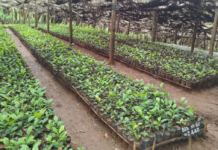
Similarly, climate-resilient vegetable grafting technologies are enabling farmers to boost yields by up to 140% while increasing income and stabilizing production in the face of erratic weather patterns.
Tackling systemic bottlenecks
Beyond crop improvement, the report highlights systemic innovations designed to address structural constraints in agricultural systems. The Seed Revolving Fund, for instance, is transforming early-generation seed supply from a grant-dependent model into a self-sustaining financing mechanism.
This approach ensures consistent access to improved seeds, enhancing productivity and resilience across farming systems.
In parallel, advances in gene-editing technologies such as CRISPR are helping combat destructive pests like Striga hermonthica, a major threat to sorghum production in sub-Saharan Africa. Early results show significantly reduced parasite development, offering hope for more stable yields in vulnerable regions.
Digital and data-driven agriculture
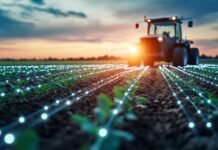
The report also underscores the growing role of digital innovation in modern agriculture. Tools such as AI-powered knowledge assistants and satellite-based crop monitoring systems are transforming decision-making from retrospective analysis to real-time intelligence.
ICRISAT’s digital platforms have already reached over 350,000 users, enabling governments and farmers to respond more effectively to climate risks and production challenges.
These technologies are helping bridge the gap between scientific knowledge and on-the-ground application.
Restoring landscapes, strengthening livelihoods
Beyond productivity gains, the report places significant focus on environmental restoration and livelihood improvement.
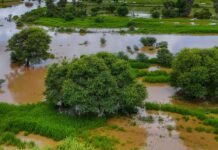
The Landscape Rejuvenation model, for example, has restored over 7,000 hectares of degraded land, increased groundwater levels by up to eight meters, and improved agricultural output nearly threefold in some regions.
Such integrated approaches—combining water management, agroforestry, and community engagement—highlight the importance of holistic solutions in addressing climate and economic challenges simultaneously.
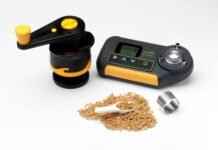
Meanwhile, post-harvest innovations are reducing losses by up to 30% and increasing farmer incomes by as much as 25%, demonstrating that value-chain improvements can be just as impactful as production gains.
Building resilience through partnerships
A recurring theme throughout the report is the central role of partnerships. ICRISAT emphasizes collaboration with governments, research institutions, and farming communities as essential for scaling innovation.
The launch of the ICRISAT Center of Excellence for South-South Cooperation in Agriculture further reinforces this approach, promoting knowledge exchange and co-creation of solutions across the Global South.
A blueprint for the future
Ultimately, the Innovations & Impact Report 2025 positions innovation not merely as a tool, but as a transformative force capable of addressing interconnected global challenges—from climate change and food insecurity to poverty and environmental degradation.
By aligning science with local needs and scaling solutions through partnerships, ICRISAT demonstrates that even in the face of mounting uncertainty, progress is possible.
As the report makes clear, the drylands—often viewed as regions of vulnerability—are increasingly becoming hubs of innovation, resilience, and opportunity.