

Ethiopia’s Ministry of Agriculture in collaboration with the country’s Agricultural Transformation Institute (ATI) and the Ethiopian Academy of Sciences (EAS)-Agriculture Working Group has convened a high-level scientific and policy dialogue to explore the opportunities, governance requirements, and implications of carbon markets for sustainable agricultural development, climate resilience, and rural transformation.
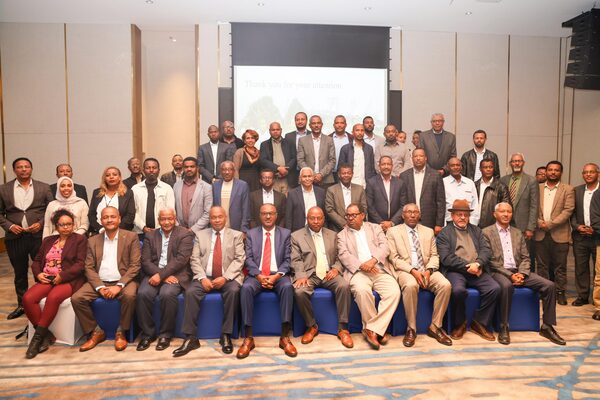
During the Second Agriculture Science Seminar Series on June 30, 2026, in Addis Ababa, senior government officials, researchers, academics, development partners, private sector representatives and practitioners discussed how Ethiopia can strategically engage in emerging carbon finance systems while safeguarding national interests, community benefits and sustainable natural resource management.
The event was held under the theme, “Carbon Markets in Ethiopia: Opportunities, Governance, and Implications for Sustainable Agricultural Development.”
The seminar comes as Ethiopia seeks innovative financing mechanisms to address the growing impacts of climate change on agriculture and rural livelihoods while advancing its agricultural transformation agenda.
In his opening remarks, H.E. Seyoum Mekonnen, State Minister at the Ministry of Planning and Development responsible for Environment, Climate Change and Demography, said climate change continues to pose a major threat to the country’s development efforts.
“Climate change remains one of the key development challenges affecting Ethiopia’s agricultural productivity, natural resource base, and rural livelihoods,” Seyoum said, noting the need to integrate climate action into national development planning.
He added that Ethiopia’s diverse landscapes and agricultural systems provide significant opportunities for climate mitigation and adaptation through sustainable land management, ecosystem restoration, agroforestry and climate-smart agricultural practices.
Delivering the keynote address, H.E. Prof. Eyasu Elias, State Minister of the Natural Resources Development Sector at the Ministry of Agriculture, highlighted the importance of aligning carbon finance opportunities with the country’s agricultural transformation agenda.
“Carbon markets can provide innovative financing mechanisms to support sustainable agricultural practices, improve soil health, restore degraded landscapes, enhance resilience, and create additional livelihood opportunities for farmers and rural communities,” Prof. Eyasu said.
He further pointed to Ethiopia’s Green Legacy Initiative as a critical foundation for future carbon market participation. “The Green Legacy Initiative is a major national effort supporting landscape restoration, ecosystem rehabilitation, decarbonisation, and climate resilience,” he said. “The initiative provides an important foundation for strengthening nature-based solutions and exploring opportunities for responsible carbon market participation.”
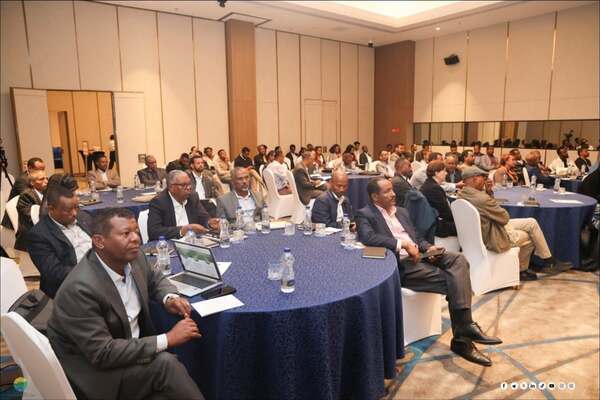
The event also featured technical presentations on carbon market development and governance. Dr. Motuma Tolera of the Ethiopian Forestry Development shared experiences and lessons from Ethiopia’s forestry sector, while representatives from the Ministry of Planning and Development outlined the country’s policy, legal and institutional frameworks for carbon markets.
Participants also engaged in a high-level plenary discussion moderated by Dr. Habtemariam Kassa, Fellow of the Ethiopian Academy of Sciences. The discussion focused on carbon accounting systems, market readiness, governance challenges, research priorities and opportunities for sustainable development.
Speaking during the seminar, ATI Chief Executive Officer Dr. Mandefro Nigussie stressed the need for stronger partnerships among stakeholders to support Ethiopia’s climate and agricultural goals.
“Evidence-based dialogue and collaboration among government institutions, research organizations, development partners, and private sector actors are essential to support Ethiopia’s climate and agricultural transformation goals,” he said.
In his closing remarks, Ethiopian Academy of Sciences President Prof. Belay Kassa emphasized the importance of science and innovation in shaping the country’s engagement with emerging climate finance opportunities.
“Science, research, and innovation must play a central role in guiding Ethiopia’s engagement in emerging climate finance mechanisms,” Prof. Belay said.
The seminar concluded with a shared commitment to strengthen research, knowledge generation, policy coordination and institutional readiness to ensure carbon markets contribute to sustainable agricultural development, climate resilience and inclusive rural transformation.
The Agriculture Science Seminar Series is held quarterly by ATI and the EAS-Agriculture Working Group in collaboration with the Ministry of Agriculture to promote evidence-based dialogue on critical agricultural and development issues.