


Young people are set to play a defining role in the future of animal and aquatic food systems, but unlocking their potential will require more than simply encouraging them to enter agriculture, livestock or fisheries.
They will need skills, access to finance and markets, opportunities for entrepreneurship, and a meaningful voice in decisions that shape the food systems in which they work.
According to Pathways to Gender Equality and Empowerment: Sustainable Animal and Aquatic Foods: Setting the Science Agenda (2025–2030) report by the Consortium of International Agricultural Research Centres (CGIAR), young people represent a major opportunity for transforming animal and aquatic food systems, particularly in low- and middle-income countries where youthful populations are growing.
The report argues that this “youth bulge” can become a population dividend if countries create the education, jobs and enabling conditions needed for young people to participate productively.
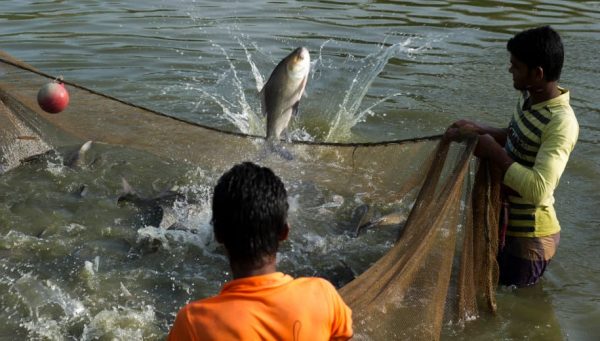
Animal and aquatic food systems already offer a wide range of opportunities. Young people can participate not only in livestock keeping, fishing and aquaculture, but also in processing, marketing, food safety, logistics, technology, research and value addition.
These opportunities are especially important as communities confront climate change, economic pressures and changing food and nutrition needs.
Yet significant gaps remain. The report notes that there is limited evidence on how young people currently participate in livestock and aquatic food value chains, including their access to resources and the incentives that encourage or discourage their involvement.
There is also insufficient understanding of how knowledge is transferred between generations and whether young people are equipped to adopt new and sustainable production practices.
This matters because young people can be important drivers of innovation. The report observes that youth are often more inclined than older generations to adopt technical innovations, although more research is needed to understand how they use technologies in animal and aquatic food systems.
Digital tools, improved production technologies and new business models could therefore help young entrepreneurs develop more efficient and sustainable enterprises.
Skills development will be central to this transformation. Technical and vocational education and training can give young people practical skills that respond to labour-market needs, while entrepreneurship programmes can equip them to create businesses and jobs within food value chains.
Training in value addition, for example, can help young people move beyond primary production into higher-value activities where greater economic opportunities exist.
Access to finance is equally important. Many young entrepreneurs face difficulties obtaining capital to start or expand businesses.
The report points to approaches such as incubators, accelerators, youth-friendly credit, savings initiatives and mentorship as potential ways of overcoming these barriers.
Young people must also have a seat at the decision-making table. Youth councils, advocacy programmes, leadership training and youth networks can help ensure that policies reflect the realities and aspirations of younger generations. Their participation should extend beyond consultation to genuine involvement in shaping policies, markets and institutions.
The future of animal and aquatic food systems will also depend on their ability to respond to climate change while providing nutritious food and sustainable livelihoods.
Young people, with their capacity to embrace innovation and new technologies, can become important partners in developing climate-smart livestock, fisheries and aquaculture systems.
Ultimately, investing in youth is not simply an employment strategy. It is an investment in the resilience, sustainability and inclusiveness of food systems.
If young people are given the skills, resources, opportunities and voice they need, they can become producers, entrepreneurs, innovators and leaders who reshape animal and aquatic food systems for generations to come.