

BRUSSELS, Belgium, November 12, 2026 – CropLife International’s $13 million Sustainable Pesticide Management Framework (SPMF) is demonstrating how local leadership, innovation and collaboration can strengthen responsible pesticide management and promote sustainable agriculture, particularly in low- and middle-income countries across the Global South.
The programme’s latest annual report highlights progress in building local capacity, testing innovative agricultural solutions and strengthening partnerships to ensure sustainable pesticide management practices deliver lasting results.
The report comes ahead of the first International Conference of the Global Framework on Chemicals (IC1), where governments and stakeholders will focus on tracking progress, accelerating action and investing for impact.
Through its activities, the SPMF is demonstrating how global commitments can be translated into practical interventions tailored to local agricultural needs.
Building local capacity
In Kenya, more than 17,000 community leaders, including farmers, health volunteers and producer groups, have received training over the past five years to strengthen pesticide risk management and promote responsible use.
In Indonesia, the programme is on course to train 30,000 agricultural extension workers in Integrated Pest Management (IPM), equipping them with the knowledge and skills to support farmers in adopting sustainable pest control practices.
Accelerating agricultural innovation
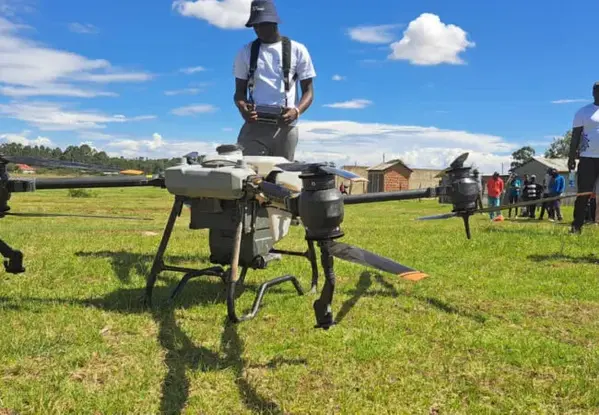
The programme is also supporting the testing and adoption of innovative agricultural solutions through field demonstrations.
In Latin America, more than 50 demonstration plots are testing biological solutions and farming practices designed to support soil and pollinator health.
Meanwhile, a regional biopesticides project has been launched in Southeast Asia, with participating countries establishing demonstration plots targeting common crops and pests. The initiative aims to accelerate research, promote knowledge sharing and identify solutions that can be adapted to local farming conditions.
Investing in lasting impact
The SPMF is also investing in local institutions, professional expertise and regulatory capacity to ensure progress continues beyond individual projects.
In Morocco, 3,500 agricultural extension officers across all key provinces have been trained. These officers have subsequently trained more than 340,000 farmers over the past four years, demonstrating the potential of local expertise to multiply the reach and impact of agricultural interventions.
Commenting on the annual report and ahead of the Global Framework on Chemicals conference, CropLife International President and CEO Emily Rees said: “As agriculture faces growing pressures from climate change, evolving pests and diseases, and increasing demands on food systems, effective, science-based and sustainable pesticide management has never been more important.
“The progress we are seeing demonstrates what is possible when public and private partners combine expertise with strong local leadership and a common purpose. The results on the ground tell the story on the progress we are making towards our vision for a more holistic approach to pesticide management.
“The strongest measure of success is what happens after a project ends: when its approaches become embedded in national systems and continue to deliver tangible, lasting results.
“As the Global Framework on Chemicals moves into implementation, the SPMF provides practical evidence of how collaboration, innovation and investment can translate global commitments into measurable progress.”
CropLife International said the programme would continue sharing lessons across participating countries and supporting successful approaches as they move from demonstration to sustained implementation, strengthening responsible pesticide management and agricultural resilience across the Global South.