

At the occasion of the Child Summit,
Five years after its launch, the School Meals Coalition unites 113 governments, 6 regional bodies, and more than 160 partners behind one common goal: ensuring that every child has access to a healthy, nutritious meal at school by 2030. Today, school meals are widely recognized not only as a social programme, but as a strategic national investment —one that strengthens learning, education, health and nutrition outcomes, empowers girls, stimulates local economies and fosters stable markets for local farmers, food processors and small enterprises.
As global coverage has expanded —reaching at least 466 million children worldwide— these interconnected benefits have become even clearer. However, persistent gaps remain, including the growing pressure on national budgets in many countries.
More than 70 countries have put forward ambitious national commitments detailing how they will scale and improve their school meal programmes. In addition, the School Meals Coalition Task Force members agreed on the four priorities to renew their commitment to support countries, mobilise diverse partners, strengthen food systems –including their funding and governance– and ensure that school meals become permanent, nationally owned policies and programmes able to withstand fiscal cycles, emergencies and future shocks. The priorities for 2027–2028 outline a bold and realistic agenda, including a focus on strengthening the partner ecosystem to further align support with country needs and unlock expertise, partnerships, and financing:
Realising this ambition will require the full partner ecosystem to step up behind country priorities, Development partners, the youth, philanthropies, the private sector, United Nations agencies, Civil Society Organizations, academia, and International Financial Institutions will have a critical role to play in closing financial gaps, mobilising expertise and predictable resources; advancing innovative financing solutions and accelerating sustainable, nationally owned school meal programmes.
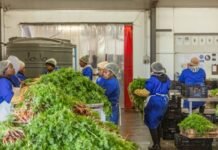
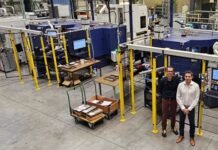
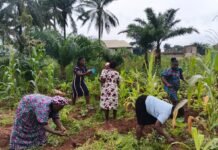
As this agenda proceeds, significant infrastructure is still urgently needed to support and expand national school meal programmes. This includes investments in resilient food supply chains – production, aggregation, agrotechnology, and rural finance, especially for smallholders – linked to the consistent demand of school meal programmes. These investments will also support economic development, create jobs, and establish local food systems that are more resilient to climate and economic shocks.
Call to Action: Mobilising public and private financing
As co-Chair of the School Meals Coalition, France, alongside Brazil, Finland and Kenya, calls on financing partners, including multilateral development banks (MDBs), public development banks (PDBs), development financing institutions, and other public and private investors to mobilise appropriate financing, using existing instruments and innovative financing mechanisms and developing new approaches to support school meals as economic infrastructure in response to country plans and needs; and to accelerate coordinated action that will support country-led priorities.
This includes:
- Investing in resilient local food systems and supply chains that support school meal programmes, including local production, aggregation, storage, processing, and logistics;
- Building the evidence base for investment in resilient and nutritious school meals, assessing contributions to long-term economic productivity, job creation, and income gains for small farmers and enterprises;
- Developing a coordinated financing roadmap to match financing with country investments.
This work should build upon the Global Alliance against Hunger and Poverty’s Collaborative Financing Framework, as well as the Philanthropy Hub launched at the 2026 IMF-WB Annual Meetings.
To advance this agenda, we call on governments, public and private investors, international agencies, the Global Alliance against Hunger and Poverty members, and School Meals Coalition partners to work together ahead of the 2027 IMF/WB Spring Meetings, to identify opportunities to increase financing and support country-led priorities. The Coalition’s Sustainable Financing Initiative (SFI) will play a coordinating role, bringing together and helping to drive this collective action forward.
The progress will be reviewed as part of the lead up to the School Meals Coalition’s Third Global Summit in Helsinki in October 2027.