

Agrifood systems are emerging as a critical pathway for countries seeking to turn global biodiversity commitments into practical action, with agriculture, fisheries, aquaculture, livestock and forestry closely linked to the success of the Kunming-Montreal Global Biodiversity Framework.
According to the Food and Agriculture Organization of the United Nations’ (FAO) analysis on National Biodiversity Strategies and Action Plans covering 78 countries, agrifood sectors are connected to more than half of the framework’s targets and have a role to play across virtually all of its commitments.
This reflects the central relationship between food production and biodiversity, which provides the genetic resources, pollinators, healthy soils, water systems and ecosystems on which food production depends.
The relationship, however, is not entirely positive. Agrifood activities can also contribute to habitat destruction, pollution, soil degradation and biodiversity loss when resources are used unsustainably.
FAO therefore argues that transforming agrifood systems is essential not only to reduce their negative impacts but also to make food production an important part of biodiversity conservation and restoration.
A major opportunity lies in national implementation. Countries that have adopted the Global Biodiversity Framework are expected to translate its targets into National Biodiversity Strategies and Action Plans (NBSAPs).
FAO has been encouraging governments to ensure that agriculture and other food-producing sectors are fully incorporated into these national strategies rather than treated as separate policy areas.
Target 10 is particularly important because it calls for the sustainable management of areas under agriculture, aquaculture, fisheries and forestry, including through the sustainable use of biodiversity and greater application of biodiversity-friendly practices.
FAO says this provides a direct entry point for transforming production systems while supporting food security and rural livelihoods.
On the ground, such transformation can include restoring degraded soils, protecting pollinators, conserving crop and livestock genetic diversity, improving water management and adopting farming practices that support ecosystems.
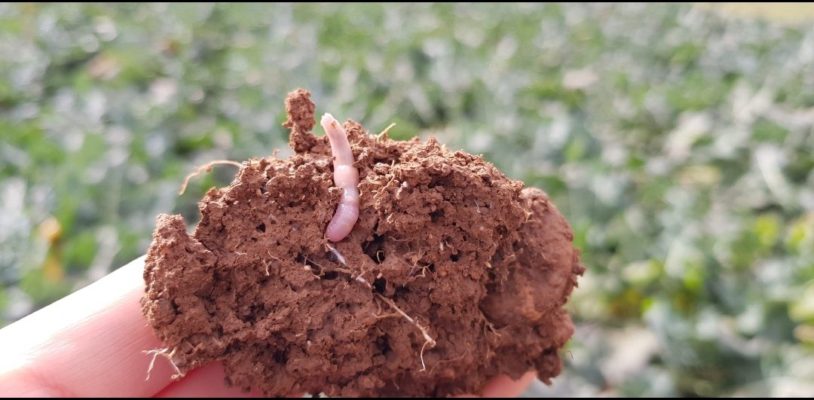
Soil restoration, for example, can deliver multiple benefits by improving species richness, increasing carbon sequestration and raising agricultural productivity.
The stakes are high because biodiversity is fundamental to food security. FAO notes that three out of four crops, representing about 35 percent of global food production, depend at least partly on animal pollination, while agricultural systems also depend on the diversity of species and genetic resources available to farmers, livestock keepers, fishers and forest managers.
FAO has consequently launched initiatives to help governments integrate agrifood solutions into biodiversity planning.
Its Agri-NBSAPs Support Initiative is designed to provide targeted assistance to countries as they incorporate agrifood sectors into their biodiversity strategies and work towards implementing the Global Biodiversity Framework.
Financing, technology, knowledge and inclusive policies will be crucial to making these commitments effective. FAO stresses that transformation must reach small-scale producers and be equitable, inclusive and gender-responsive.
The message is increasingly clear: global biodiversity targets cannot be achieved through conservation measures alone.
How the world produces food, manages land and water, raises livestock, harvests forests and manages fisheries will be central to whether biodiversity commitments become measurable results.
Agrifood systems are therefore not simply beneficiaries of biodiversity; they are also among the most important arenas in which its future will be decided.