

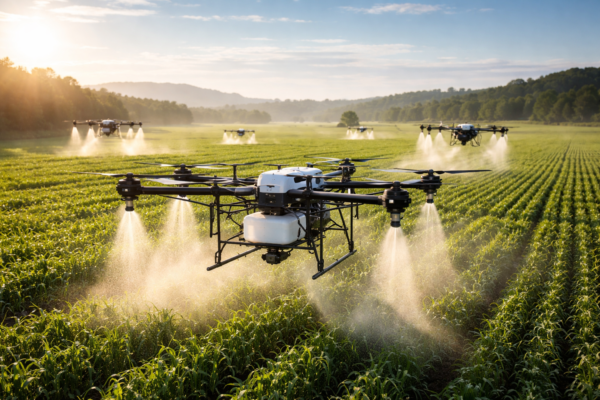
According to Research Intelo, the Agriculture Spraying Drones market size was valued at $1.2 billion in 2024 and is projected to reach $6.8 billion by 2033, expanding at an impressive CAGR of 21.7% during the forecast period of 2024–2033. A major factor propelling the global growth of the Agriculture Spraying Drones market is the increasing need for precision agriculture solutions that optimize resource utilization and crop yields while reducing labor costs and environmental impact. The integration of advanced technologies such as AI-based route planning, real-time data analytics, and IoT-enabled monitoring systems in agriculture spraying drones is revolutionizing traditional farming practices, driving adoption across both developed and emerging economies.
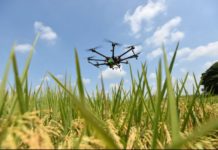
The global agricultural sector is undergoing a technological renaissance, driven by precision farming, automation, and sustainability pressures. Among the most influential innovations is the adoption of agriculture spraying drones unmanned aerial vehicles (UAVs) designed to deliver pesticides, fertilizers, and nutrients across farms efficiently and accurately. As traditional methods strain under environmental and economic demands, spraying drones are carving out a pivotal role in the modernization of agriculture.
Drivers of Growth
Labor and Cost Efficiency
One of the most cited advantages of spraying drones is their ability to reduce reliance on manual labor. Traditional spray application often requires significant human effort, long hours, and exposure to harmful chemicals. In contrast, drones can complete large-area treatments quickly, often at a lower operational cost.
Drones require fewer personnel, minimize human exposure to toxic substances, and cut down on vehicle fuel and maintenance costs. In regions where farm labor is scarce or expensive, these efficiencies translate directly into competitive advantages.
Precision and Environmental Benefits
Agricultural spraying drones enable precise targeting of crops, reducing chemical overuse. This accuracy helps farmers avoid unnecessary application of fertilizers and pesticides lowering costs while minimizing environmental runoff and soil degradation.
Precision spraying also improves crop health by ensuring that only affected areas receive treatment. This level of targeted intervention aligns with global sustainability goals, particularly in sensitive ecosystems or regions subject to regulatory limits on chemical use.
Integration with Data Analytics and Automation
Advancements in drone technology are increasingly coupled with data analytics, GPS guidance, and AI-enabled farm management tools. Modern spraying drones can analyze crop conditions before treatment, adjust flight paths based on field topography, and document spray patterns for future optimization.
This integration supports data-driven agriculture, enabling more informed decisions about crop cycles, pest outbreaks, and irrigation strategies. As farms adopt smart technologies across operations, drones become a crucial data-generating component within an interconnected tech ecosystem.
Technological Innovations Shaping the Market
Electric Vertical Takeoff and Landing (eVTOL) Platforms
Many agriculture spraying drones use eVTOL designs to improve stability and reduce footprint. These configurations allow drones to hover steadily at low altitudes essential for even spray distribution and navigate diverse farm terrains without runway infrastructure.
Enhanced Payload and Flight Endurance
Early agricultural drones were limited by small payloads and short operational times. Ongoing innovations have delivered heavier payload capacities and longer battery life, enabling single flights to cover several hectares. This improvement dramatically increases the cost-effectiveness and scalability of drone spraying, especially for medium and large-scale farms.
Autonomous Mission Planning
Modern spraying drones leverage software that plans routes based on field maps, obstacles, and crop types. With autonomous flight modes, drones can operate with minimal human intervention a key advantage in scenarios where multiple spray cycles are needed or when weather windows for application are narrow.
Challenges Facing the Market
Regulatory and Airspace Restrictions
Spraying drones operate in airspace regulated by aviation authorities. Regulations differ across countries and often require pilot certifications, flight permissions, or visual line-of-sight operations. These constraints can slow deployment, especially where drone legislation is still developing.
Technology Costs and Training
Even as costs decrease, advanced airborne spraying systems require significant capital investment. Additionally, farmers must have training in drone operation, maintenance, and software tools an adoption barrier for less tech-savvy users or regions with limited agricultural education resources.
Environmental and Safety Concerns
Although drone spraying can reduce chemical use, risks remain around payload contamination, drift in windy conditions, and potential interference with wildlife or populated areas. Ensuring safe, responsible usage is central to long-term market sustainability.
Future Outlook
The agriculture spraying drones market is positioned for continued growth over the next decade. Innovations such as:
- Enhanced AI-driven targeting systems
- Swarm drone operations (multiple units working in coordination)
- Solar-powered or hybrid flight systems
are set to further redefine agricultural efficiency.
As global demand for food increases under the pressure of climate change and population growth, technologies that improve yield, reduce waste, and support sustainable practices will gain prominence. Within this landscape, spraying drones are not merely a convenience but a crucial component of future-ready farming.
Competitive Landscape
Prominent companies operating in the market are:
- DJI
- XAG
- Yamaha Motor Corporation
- Parrot SA
- PrecisionHawk
- AeroVironment
- AgEagle Aerial Systems
- Delair
- Hylio
- DroneDeploy
- Sentera
- AgEagle (MicaSense)
- Rantizo
Source: https://researchintelo.com/report/agriculture-spraying-drones-market