

From 2–5 November 2025, the African Union Commission (AUC) and its member states will convene the inaugural Africa Biodiversity Summit under the theme “Leveraging Biodiversity for Africa’s Prosperity.”
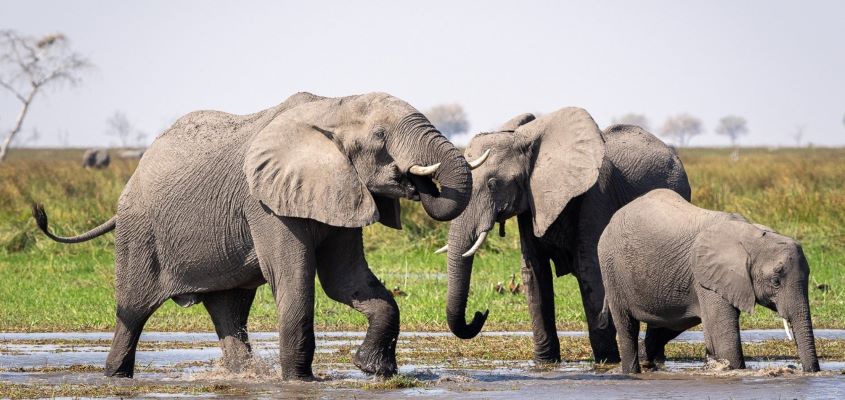
Africa is uniquely endowed with rich ecosystems, wildlife and natural capital. As outlined in the summit’s concept note, these resources are central to the continent’s economic development and long-term prosperity under the umbrella of the Agenda 2063 — which envisions an Africa “where our unique natural heritage … is protected, healthy, and valued, contributing to climate-resilient communities and thriving economies.”
However, the continent is facing a “triple planetary crisis” of biodiversity loss, climate change and pollution — accompanied by the growing threat of desertification.
In response, the African Union Assembly mandated the AUC to convene the summit as a high-level platform for political leadership on biodiversity conservation, governance and resource mobilisation.
In a statement shared via its official X handle, @_AfricanUnion, the Commission underscored the summit’s importance:
“Africa’s biodiversity is our greatest natural wealth sustaining food systems, livelihoods, and climate resilience for over a billion people. Protecting it means safeguarding our future prosperity, cultural heritage, and ecosystems that sustain life. At Africa Biodiversity Summit #ABS2025, leaders, scientists & communities are coming together to forge a unified path for restoring ecosystems, investing in nature-based solutions, and ensuring biodiversity drives sustainable development across the continent.”
Summit objectives and structure
The summit has three main objectives:
• Provide political direction and support for Africa’s biodiversity priorities, including engagement in global negotiations.
• Strengthen partnerships for effective implementation of continental and international biodiversity frameworks.
• Mobilise financial and technical resources for biodiversity conservation across the continent.
Its structure will include: an opening ceremony (with Heads of State and Government statements); a ministerial segment with dialogues and the adoption of a declaration; and a technical segment focused on thematic sessions.
Key thematic areas
During the technical sessions, participants will engage across four thematic areas:
- Biodiversity conservation for socio-economic development – covering sustainable management of terrestrial and marine biodiversity, natural capital accounting, development of bioeconomy and mitigation of human-wildlife conflict.
- Strengthening biodiversity governance – emphasising legal and policy frameworks at national, regional and global levels, and inclusive stakeholder engagement, especially of Indigenous Peoples and Local Communities, through National Biodiversity Strategies and Action Plans (NBSAPs), Nationally Determined Contributions (NDCs) and Land Degradation Neutrality (LDN) targets.
- Enhancing financial flows for biodiversity management – exploring innovative financing mechanisms, public-private partnerships, capacity building, benefit sharing from genetic resources, and leveraging biodiversity-based trade for sustainable livelihoods.
- Africa’s global engagement on biodiversity – coordinating Africa’s position for key global biodiversity meetings such as the Convention on International Trade in Endangered Species of Wild Fauna and Flora (CITES), Convention on Migratory Species (CMS), Bamako Convention, and United Nations Convention on the Law of the Sea (UNOC-14).
At the conclusion of the summit, Heads of State and Government will adopt an “Africa Biodiversity Summit Declaration,” which will articulate collective political guidance across the thematic areas and serve as Africa’s unified voice in global biodiversity fora.
Why it matters
By placing biodiversity at the heart of economic and environmental policy, the AU is signalling a shift: protecting ecosystems is not simply environmental stewardship, but a strategic driver of sustainable growth, resilience and inclusion.
With the involvement of Indigenous and local communities, the summit emphasises that governance of biodiversity cannot be top-down alone — it must be inclusive and rooted in local realities.