

For maize producers, the value of a fungicide programme is often measured in terms of disease control. But what happens in the crop after disease has been managed can be just as important.
A recent maize trial in the Eastern Highveld conducted by crop specialist Francois Kruger of Agrocentre with Eduan Theron, Syngenta field crop manager, showed that maintaining a healthy plant through the critical stages of grain development could be just as important as controlling disease, particularly when crops face heat and drought stress.
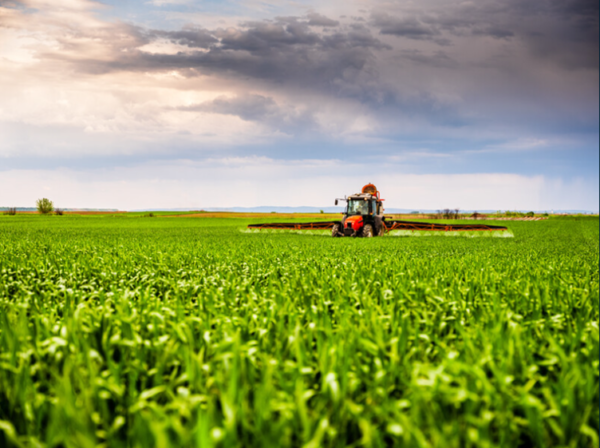
In two sections of a field, in a challenging very hot and dry season in January and February, the trial compared:
- Applying a standard fungicide (AMISTAR® Top) at V5 with a normal follow-up application; and
- Applying a standard fungicide (AMISTAR® Top) at V5, followed with an application of a multi-mode plant protector (MIRAVIS® Neo) at VT/RT1, just before pollination.
The answer was visible in the field.
The AMISTAR® Top only crop performed well under challenging conditions, with good disease control, good pollination and no Northern Corn Leaf Blight evident. But where MIRAVIS® Neo was added at VT, the plants were visibly greener, particularly in the leaves above the ears.
For Kruger, this extended greenness is significant. “It matters because the upper canopy plays an important role in supporting grain fill. Keeping the plant green for longer can help with the process of photosynthesis as it continues to fill kernels and build kernel weight.”
The differences were not limited to the leaves and ears. When stalks were cut open, the MIRAVIS® Neo-treated plants showed greater moisture retention and healthier-looking internodes, while the single-treatment plants showed less moisture and signs of rot developing at the internodes.
Healthier stalks can also mean less risk of plants falling over before harvest. Certain products have the ability to positively influence plants’ metabolic processes and make a contribution that extends beyond mere disease control. Syngenta’s ADEPIDYN® technology enhances chlorophyll production, increases light absorption, thereby making the photosynthesis process more effective.
This results in larger, greener leaves and stems that support the plant under challenging climatic conditions. ADEPIDYN® technology reduces the transpiration rate, thereby limiting water loss. This helps plants perform more effectively and optimally.
For growers, this highlights an important principle: crop protection is not simply about treating disease once it appears. It is about maintaining crop health and protecting yield potential throughout the season.
The observations extended below the ear. When the stalks were cut open, the plants receiving the additional treatment showed more moisture and healthier-looking internodes. In contrast, the single-treatment plants showed less moisture and signs of rot developing at the internodes, characteristics that can increase the risk of plants falling over before harvest.
These observations are particularly relevant in seasons when environmental stress places additional pressure on the crop.
Kruger says the Eastern Highveld has seen Northern Corn Leaf Blight as a significant foliar disease, while grey leaf spot has also become more prevalent over the past three years. Changing environmental conditions and the breeding of cultivars for higher yield potential can contribute to increased disease pressure.
But disease susceptibility is not the only consideration. Even cultivars that are not particularly prone to foliar diseases can show differences when fungicide programmes are used, according to Kruger. In his view, this highlights the potential physiological benefits of protecting the crop, beyond simply preventing or controlling infection.
Theron says the trial is a useful reminder that the impact of crop protection may not always be immediately visible as disease control. Sometimes, the difference is in how well the plant continues to perform with a better yield when the season becomes challenging.
“Syngenta has spent years collecting data in the laboratory and in the field to develop effective products. Ask about the trials, do the calculations, and next time you walk through your fields, take a closer look at that canopy. What you protect today is what you harvest tomorrow.”