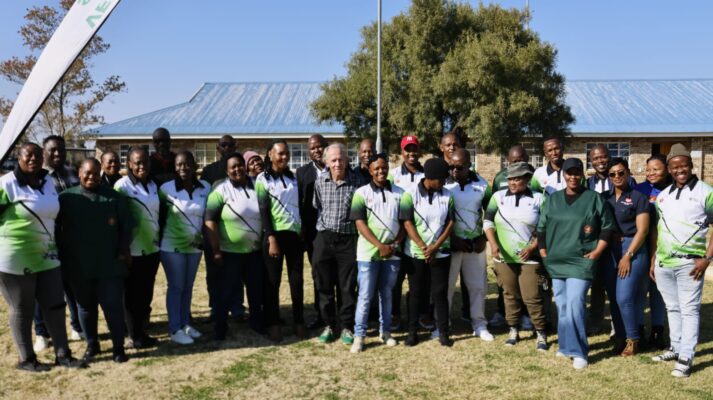
The North West Department of Agriculture and Rural Development (DARD) is strengthening the implementation of the North West Brucellosis Reduction Plan by equipping Animal Health Technicians with specialised skills in disease surveillance, prevention and control. As part of this effort, a number of Animal Health Technicians from across the province are currently attending an accredited Bovine Brucellosis and Tuberculosis (BR/TB) Training Programme at North-West University.
The two-week programme, which commenced on 29 June 2026 and concludes on 10 July 2026, combines theoretical and practical training to equip participants with the knowledge and competencies required for the diagnosis and management of bovine brucellosis and tuberculosis. The training is aimed at strengthening Veterinary Services’ capacity to protect livestock, safeguard public health and support disease control efforts across the province.
The course is a statutory requirement for Animal Health Technicians authorised to conduct tuberculosis and brucellosis diagnostic testing in cattle herds. By investing in specialised training, DARD is strengthening technical capacity within Veterinary Services while ensuring compliance with professional and regulatory requirements.
North West MEC for Agriculture and Rural Development, Madoda Sambatha, said the programme reflects the Department’s commitment to building a skilled workforce capable of responding effectively to animal health challenges. “Investing in the development of our Animal Health Technicians is an investment in the future of animal health, food safety and agricultural growth in our province. Through this training, we are strengthening the capacity of our Veterinary Services to provide farmers with the quality support they need while ensuring effective disease prevention and control,” said MEC Sambatha.
Participants have welcomed the opportunity to enhance their knowledge and professional skills. Gomolemo Malau from the Moses Kotane Veterinary Office said the training will help her improve the quality of services provided to farmers, while Keitsile Isaac Mosimane from the Naledi Veterinary Office described it as an important opportunity to deepen his understanding of animal diseases.
“I am here to learn more about brucellosis and deepen my understanding of the disease. By the end of the programme, I want to be better equipped with the knowledge and skills needed to support and empower the farmers I work with in my area,” said Mosimane.
Brucellosis and tuberculosis are zoonotic diseases that can be transmitted from animals to humans, making the role of trained Animal Health Technicians vital in promoting food safety, protecting communities and supporting a sustainable livestock industry.
The training further supports the implementation of the North West Brucellosis Reduction Plan by ensuring that officials responsible for disease control are equipped with the knowledge and practical skills required to contribute to its success.