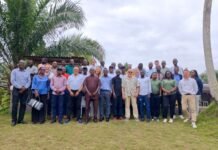



As South Africa commemorates Youth Month, a growing movement of medical and health science students is embracing “culinary medicine” and nutrition advocacy to help address the country’s rising burden of chronic disease.
Through the PAN University programme, led by the Physicians Association for Nutrition South Africa (PAN South Africa), students across seven universities are learning practical nutrition skills, hosting health-focused campus events, and advocating for healthier food environments within their institutions and future healthcare systems.
The movement comes at a critical time for South Africa, where non-communicable diseases (NCDs) such as hypertension, type 2 diabetes, cardiovascular disease, and obesity continue to place increasing pressure on the healthcare system. According to Statistics South Africa, NCDs are now the leading cause of death in the country, accounting for 51% of all deaths, with related mortality increasing significantly between 1997 and 2018.
Studies have shown that medical students often receive limited nutrition education during their training, leaving many future healthcare professionals under-prepared to provide practical nutrition counselling to patients.
“The youth of 1976 changed the course of South Africa’s history through their bravery and advocacy,” says Dr. Heinrich Volmink, Chief Operating Officer of PAN South Africa. “Today’s students are demonstrating that same courageous leadership by recognising that nutrition must play a far greater role in preventing disease and premature death. They are determined to act now rather than wait until graduation to create meaningful change.”
Launched in 2023, PAN University is active at Stellenbosch University (SU), the University of Cape Town (UCT), the University of the Western Cape (UWC), the University of Pretoria (UP), the University of the Witwatersrand (Wits), Nelson Mandela University (NMU), and the University of KwaZulu-Natal (UKZN).
The programme equips students with practical advocacy and nutrition literacy skills while encouraging peer-led engagement on campuses. Since its launch, more than 200 students have participated in educational activities, including physician-led lectures, nutrition awareness events, film screenings, wellness gatherings, and practical cooking sessions focused on healthy plant-forward meals.
A key feature of the programme is its emphasis on culinary medicine, an emerging field that combines nutrition science with practical cooking skills to support disease prevention and patient care. Students participate in cooking classes led by professional chefs and learn how food choices directly influence long-term health outcomes.
“Working with medical and health science students through our PAN University programme has been a profoundly wholesome and inspiring experience,” says Gabriela Lourenco, Community Coordinator at PAN South Africa. “It serves as a daily reminder that the future of healthcare is in the hands of individuals who care deeply, not just for their immediate patients, but for the well-being of future generations and the stability of our planet.”
The programme also encourages students to critically examine food environments on and around campus, where affordable, energy-dense, and nutrient-poor foods are often more accessible and heavily promoted. These food systems contribute significantly to the growing burden of chronic disease and environmental strain.
For many participants, the impact of the programme extends beyond academics into future clinical practice.
Ulethuxolo Mkhaliphi, 22, a fifth-year medicine student at the University of Pretoria, notes that the programme helped her “translate nutritional education into real-life practical skills that we can give to patients as well as having empathy when it comes to nutrition and lifestyle changes.”
Registered Dietitian and PAN University alumna Michaela Kruger, 23, emphasises the importance of culturally inclusive, plant-based nutrition: “Plant-based diets can often be more affordable and can be culturally acceptable whilst helping to reduce the prevalence of CDLs (chronic diseases of lifestyle) and reducing the harmful impact of animal agriculture on the environment.”
Throughout June 2026, PAN South Africa will highlight student leaders and campus initiatives across its digital platforms as part of its Youth Month campaign.
Medical and health science students interested in joining the PAN University movement can learn more at PAN South Africa.