

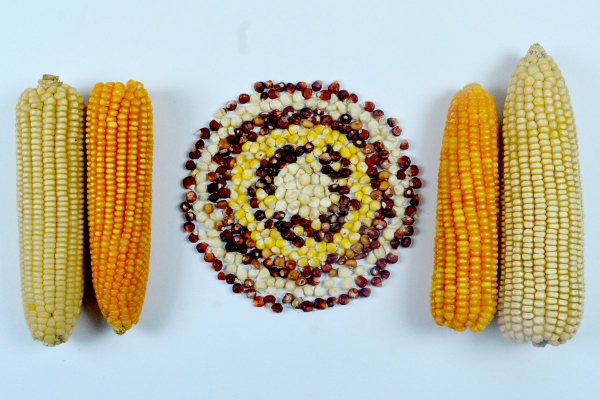
The International Institute of Tropical Agriculture (IITA) has confirmed the development and release of more than 200 improved climate-resilient maize varieties across Sub-Saharan Africa through global research partnerships under the Consultative Group on International Agricultural Research (CGIAR) system.
The improved varieties have already been released in 13 countries across Sub-Saharan Africa, helping farmers better withstand the growing impacts of climate change, including drought, erratic rainfall and other environmental stresses that threaten maize production in the region.
According to IITA, the varieties were developed through collaborative research programmes aimed at strengthening the resilience and productivity of maize, a staple crop for millions of households across Africa.
Diverse varieties for climate resilience
The improved maize varieties include biofortified, early-maturing and stress-tolerant types designed to meet different production challenges faced by farmers.
Among them are provitamin A-rich varieties such as PVA Syn13, SAMMAZ 59 and SAMMAZ 60, which not only enhance productivity but also help address vitamin A deficiency in communities where maize is a major part of the diet.
Researchers have also introduced early-maturing hybrid varieties including Ife Maizehyb-5 and Ife Maizehyb-6. These hybrids are designed to mature faster, allowing farmers to harvest within shorter growing seasons and reducing the risks posed by unpredictable rainfall patterns.
In addition, drought- and stress-tolerant varieties such as SAMMAZ 77 have been developed to perform better in harsh growing environments, particularly in areas prone to water scarcity.
Yield gains in drought-prone regions
The institute notes that the improved maize varieties are delivering yield gains of between 25% and 30% in drought-prone areas, offering a practical solution for farmers facing declining productivity due to climate change.
The yield improvements are expected to help stabilize maize production in vulnerable farming systems, while reducing the risk of crop failure during prolonged dry spells.
Boosting food security and rural livelihoods
By combining climate resilience, higher yields and improved nutritional quality, the new maize varieties are expected to play a critical role in strengthening food systems across the region.
The initiative is also seen as a key step toward improving food security, supporting rural livelihoods and stabilizing maize supply for millions of households that depend on the crop as a dietary staple and source of income.
With climate variability continuing to challenge agricultural production, researchers say scaling up the adoption of improved seed varieties will be essential to ensuring sustainable maize production across Sub-Saharan Africa.