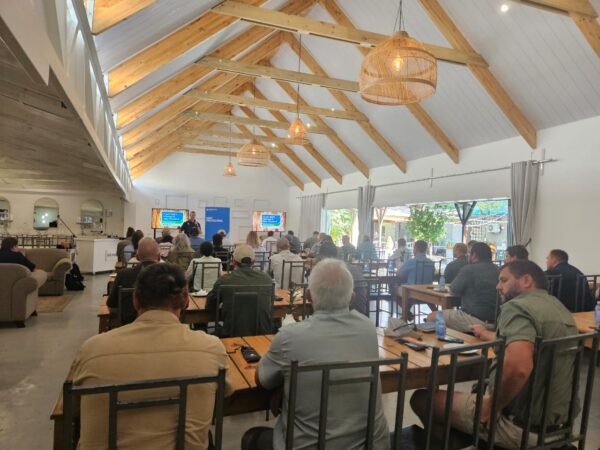
Herbicide resistance is a growing challenge that directly affects farm productivity, input costs and long-term sustainability. This reality was brought into sharp focus during the recent Herbicide Resistance Roadshow in the Western Cape, hosted by Corteva™ Agriscience. Agents, farmers, and industry stakeholders gathered to engage with the latest insights and practical management tools aimed at addressing herbicide resistance. With a clear message, “If you don’t change it, you choose it!”, the initiative highlighted both the urgency of the issue and the solutions available to manage it effectively.
“At its core, herbicide resistance occurs when a weed population evolves the ability to survive applications of herbicides that were previously effective. This is the result of repeated selection pressure over time. When the same mode of action is used consistently, susceptible weeds are controlled while naturally tolerant individuals survive and reproduce. Over successive seasons, these resistant individuals dominate the population, rendering certain herbicides less effective or even ineffective,” says Dr. Elbé Hugo, Category Marketing Lead: Herbicides at Corteva.
She states that South Africa has already seen several cases of resistant weed species, particularly in key cropping systems such as wheat, maize and soybeans. Species like ryegrass and pigweed have demonstrated resistance to multiple herbicide groups, complicating control strategies and increasing the risk of yield losses.
The roadshow highlighted that herbicide resistance is not just a chemical issue, but a broader management challenge requiring an integrated approach. This was emphasised in an address by Chris Preston, Professor of Weed Management at the University of Adelaide. Drawing on Australia’s experience with herbicide resistant weeds, he highlighted that South African producers face similar challenges.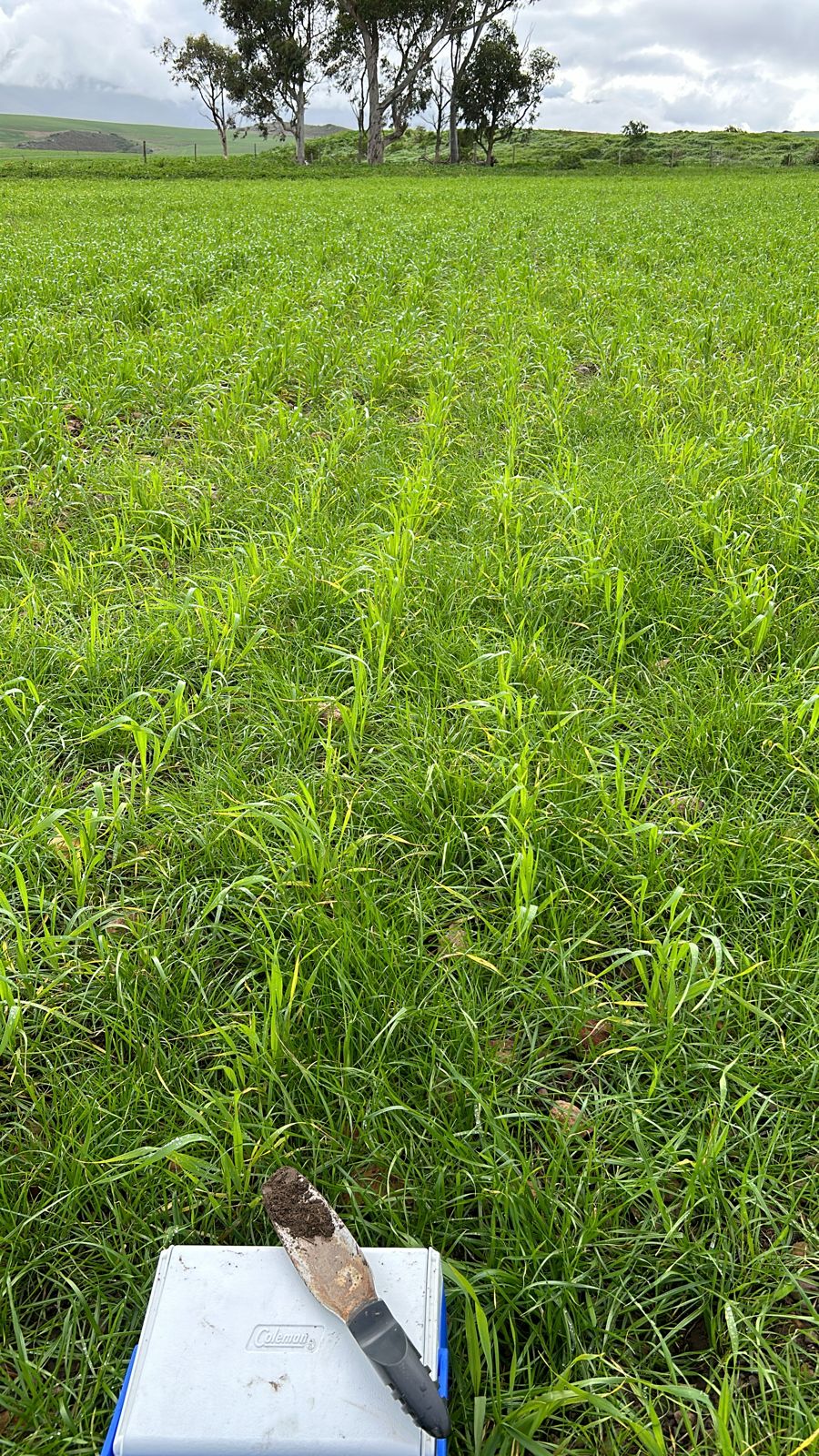
“Herbicide resistance is not just about the product you choose. It is about the entire system you implement. Rotation of herbicide modes of action is essential, but on its own it will not solve the problem. Integrated weed management, combining chemical, cultural and mechanical practices, is the only sustainable way forward,” according to Preston.
He elaborated that alternating between different herbicide groups reduces selection pressure on any single mode of action, thereby slowing the development of resistance. But this strategy must be supported by broader agronomic practices. Crop rotation plays a vital role by enabling different herbicide programmes and disrupting weed life cycles. The use of cover crops can suppress weed emergence by limiting light and space, while strategic tillage can assist in managing weed seed banks. In addition, optimising time of planting and planting density can give crops a stronger advantage over weeds.
Preston stressed the importance of diversity in every aspect of weed management, from cropping systems to herbicide use. His message was clear, farmers cannot rely on a single tactic but must instead adopt a layered and proactive strategy.
A key point he raised was the importance of correct herbicide application as in many cases, resistance is accelerated not because products fail, but because they are not used optimally. Suboptimal rates, poor timing and inadequate spray coverage allow partially resistant individuals to survive and reproduce.
Preston emphasized that early detection is the cornerstone of resistance management. Regular field scouting enables farmers to identify potential problem areas before they escalate. It is a warning sign if a weed survives a treatment that should have controlled it. Ignoring it only allows the problem to spread. Instead, such cases should be investigated and managed aggressively, whether through alternative control measures or formal resistance testing, to inform future decisions.
“While there are currently no major herbicide breakthroughs on the immediate horizon and weeds continue to develop resistance rapidly, farmers are not without support,” says Hugo. “At Corteva Agriscience, our focus remains on equipping farmers with the best available tools, sound science and practical guidance to manage resistance effectively.”