

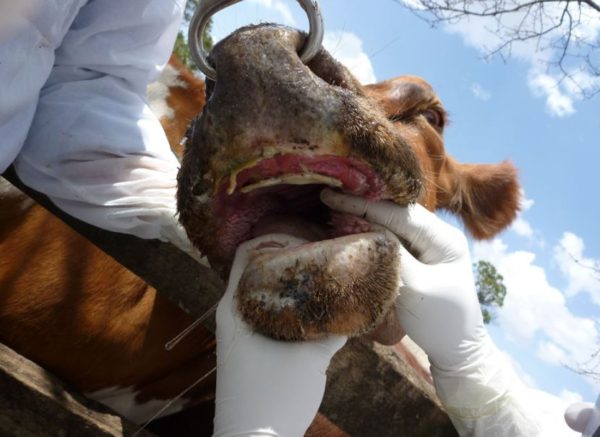
South Africa has adopted a decisive, science-based strategy to combat foot-and-mouth disease (FMD), with Agriculture Minister John Steenhuisen expressing confidence that the country can regain FMD-free status with vaccination and stabilise the multibillion-rand livestock sector.
In a statement to the media on Thursday last week, Steenhuisen said the Department of Agriculture, together with the Ministerial Advisory Task Team (MTT), is implementing a technically sound recovery blueprint aimed at restoring confidence in both domestic and export markets.
“South Africa now has a realistic and technically sound roadmap to realise its goal of FMD-free status with vaccination, a crucial step for restoring confidence in export markets and stabilising this R80 billion livestock industry,” Steenhuisen said. “This will however take time. We need cooperation of the industry to ensure that we manage to control the disease within a short space of time.”
The minister stressed that the strategy is grounded in scientific evidence and is essential for protecting national food security. Central to the approach is a new policy direction, FMD Free with Vaccination, which emerged from the FMD Bosberaad convened in July 2025 in collaboration with the Agricultural Research Council (ARC).
The Bosberaad brought together more than 400 stakeholders from government, academia, industry and research institutions to chart a way forward. It recommended a phased, multidisciplinary approach that combines strengthened existing controls with the Progressive Control Pathway Framework.
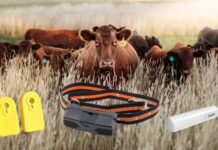
Key priorities include securing a reliable vaccine supply, accelerating livestock identification, enforcing movement controls, expanding diagnostic capacity and intensifying national awareness campaigns. Medium- to long-term goals focus on infrastructure investment, regional cooperation and sustained funding for veterinary services and research.
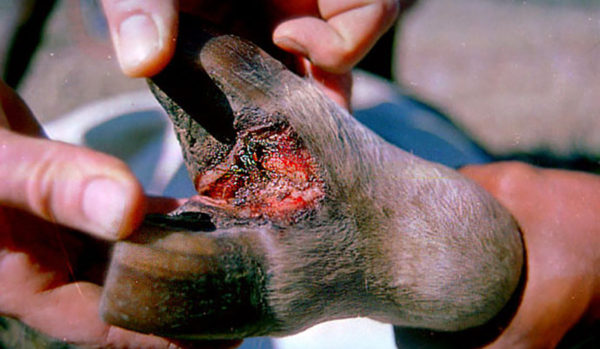
A plan towards freedom from FMD
Following the Bosberaad, Steenhuisen established the Ministerial Advisory Task Team on Animal Disease Prevention and Control to drive implementation.
“The team is finalising a strategy to reduce FMD incidents by about 70% in high-risk areas for the next 24 months; achieving 90% vaccination coverage in target animal populations in communal areas, commercial farms and feedlot areas and 100% vaccination in dairy cows,” the minister said. “Certified compartments and progressive vaccination zones to facilitate safe trade will also be established.”
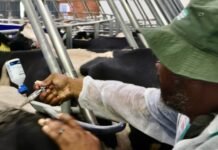
To date, close to 950,000 animals have already been vaccinated using government-procured vaccine stock. Vaccination will be rolled out in phases, starting with the highest-risk areas. Mass vaccination in KwaZulu-Natal (KZN) and Gauteng, targeting feedlots as well as commercial and communal farmers, is scheduled to begin in early February 2026. This will be followed by vaccination campaigns in Limpopo and Mpumalanga, and later in North West and the Eastern Cape.
The department has also flagged the urgent need to protect FMD-free areas by establishing protection zones in the Eastern Cape, Northern Cape and Western Cape.
Vaccine supply is expected to improve significantly in the coming months. The Botswana Vaccine Institute (BVI) has confirmed its ability to supply one million doses per month starting mid-January 2026. This will allow South Africa to complete vaccination in critical areas of KZN, Mpumalanga, Limpopo and parts of Gauteng.
At the same time, the ARC is progressing with plans for a mid-scale vaccine manufacturing facility. While fundraising for a full-scale factory continues, the ARC aims to produce 20,000 multivalent doses by the fourth quarter of 2025/26, increasing to between 150,000 and 200,000 doses by the first or second quarter of 2026/27.
Diagnostic capacity at the Onderstepoort Veterinary Laboratory will be expanded through the appointment of additional veterinary technologists, while the task team is also exploring the use of other laboratories to reduce pressure on Onderstepoort. Diagnostic kits and vaccines will be imported as required.
National awareness campaigns will be rolled out in partnership with industry bodies and farmer associations, coordinated by the Biosecurity Hub at the University of Pretoria together with provincial agriculture departments.
Law enforcement agencies, including the South African Police Service, will be briefed in the third week of January, and unemployed animal health graduates will be trained and deployed to support the vaccination programme.
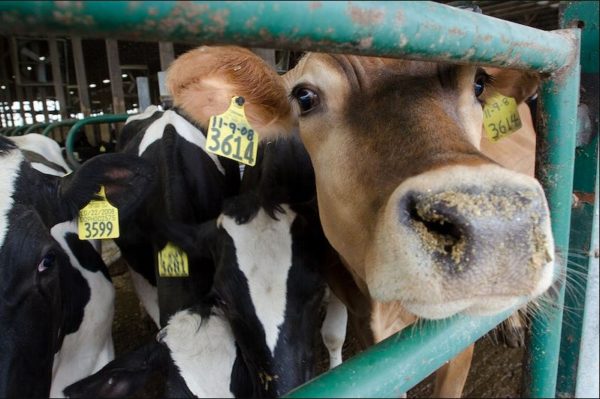
Industry engagement and funding
The department has also responded to concerns raised by the Milk Producers Organisation (MPO) regarding vaccine availability. In September, the dairy industry was offered an opportunity to order and purchase vaccines, but this was not taken up.
When FMD later spread across dairy farms, the MPO negotiated through Red Meat Industry Services to source vaccines from feedlots.
In October, a further 50,000 doses became available from the BVI, with the MPO receiving first option to purchase them. Only 20,000 doses have been used to date, and the department has urged the MPO to vaccinate all animals by the end of December.
To strengthen funding, all unspent Comprehensive Agricultural Support Programme (CASP) funds will be redirected towards biosecurity and FMD control, with 5% of CASP funding earmarked for FMD going forward.
Current disease status
FMD remains active in seven provinces: North West, Free State, Mpumalanga, Gauteng, Western Cape, Limpopo and KZN, which is regarded as the epicentre. While the Western Cape recorded a single outbreak linked to illegal animal movement, four new cases were confirmed this week in Limpopo.
KwaZulu-Natal has reported 207 outbreaks, of which 187 remain unresolved. Mpumalanga has recorded 30 outbreaks, Gauteng 105, North West 50 and the Free State 58. Several abattoirs and farms across these provinces have been designated for controlled slaughter.
“Achieving FMD freedom with vaccination is a monumental task that requires sustained effort over many years,” Steenhuisen said. “We are under no illusion; we have a long road ahead. This challenge is systemic, requiring fundamental change, significant financial commitment, and zero tolerance for non-compliance with animal movement laws. We are optimistic that we will turn the tide decisively.”