

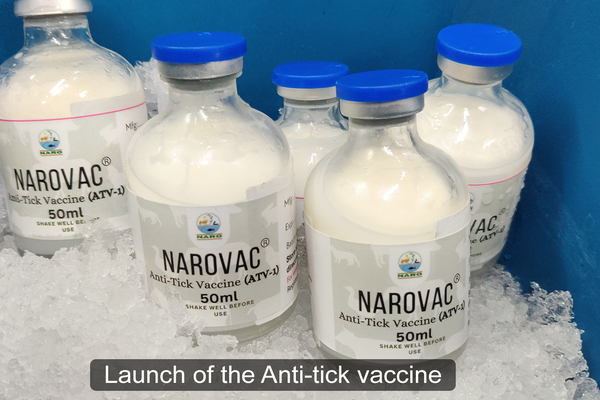
Uganda has officially commissioned its anti-tick vaccine production plant and launched the country’s first locally developed anti-tick vaccine, marking a major milestone in efforts to control livestock diseases and boost the agricultural economy.
President Yoweri Kaguta Museveni presided over the launch on April 30, 2026, unveiling the vaccine branded NAROVAC, developed by scientists at the National Agricultural Research Organisation (NARO).
The event also marked the commissioning of the state-of-the-art production facility at Nakyesasa, which is expected to supply millions of doses annually.
According to government and research officials, the vaccine offers a long-term solution to tick infestations and tick-borne diseases that have long plagued Uganda’s livestock sector, costing the country billions in losses each year.
Speaking at the launch, Museveni emphasized the importance of scientific innovation in transforming agriculture, noting that Uganda must reduce reliance on imported solutions.
He said the breakthrough demonstrated the country’s growing capacity in research and manufacturing, adding that controlling ticks would significantly improve livestock productivity and farmers’ incomes.
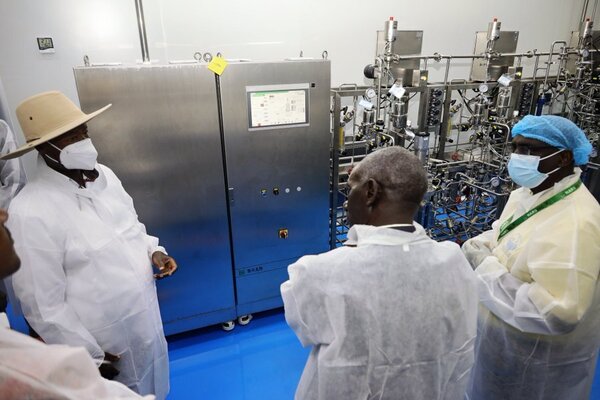
The newly commissioned facility is reported to be one of the largest of its kind globally, with the capacity to produce up to 42 million vaccine doses annually. Officials say this will not only meet domestic demand but also position Uganda as a regional supplier of veterinary vaccines.
NARO scientists explained that the vaccine works by stimulating the animal’s immune system to produce antibodies that target ticks, reducing their ability to feed and reproduce. This approach is expected to drastically cut reliance on acaricides, which have become costly and less effective due to resistance.
The vaccine is also seen as a cost-saving intervention for farmers. Current tick control methods require frequent spraying, costing farmers significantly more compared to vaccination, which is projected to be more affordable and sustainable.
In posts shared on its official X (formerly Twitter) account, NARO described the launch as a “historic milestone for Uganda’s livestock sector,” highlighting that the vaccine is the result of years of research and collaboration with international partners. The agency noted that the rollout would support farmers across Uganda and beyond, improving animal health and productivity.
NARO further stated that the vaccine had undergone extensive development and validation, and that efforts are underway to scale up production and distribution to ensure accessibility for farmers nationwide.
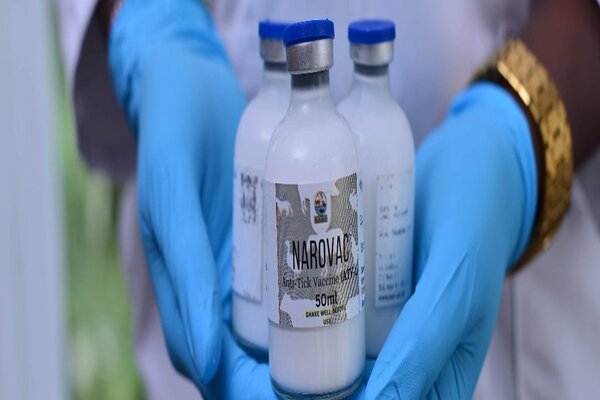
The anti-tick vaccine was developed through collaboration between Ugandan scientists and international researchers, targeting major tick species responsible for widespread cattle diseases in the region. These diseases, including East Coast fever, have been a major constraint to livestock farming, affecting both beef and dairy production.
The launch of the vaccine and production plant is expected to significantly strengthen Uganda’s livestock sector, which is a key pillar of the country’s economy. Officials say the initiative will enhance food security, increase exports, and improve livelihoods for millions of farmers.
With the rollout now underway, attention will shift to distribution and farmer sensitization to ensure widespread adoption of the vaccine across the country and the wider East African region.