

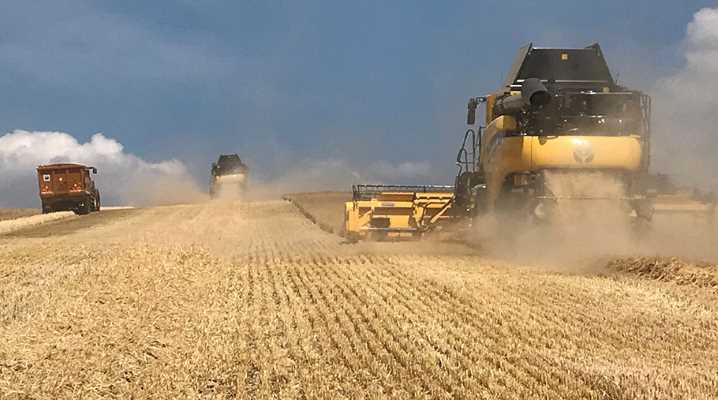
South Africa’s wheat industry is under severe pressure and facing mounting financial strain due to a prolonged delay in reviewing the wheat import tariff, Grain SA warns. Many producers are now operating below sustainable levels as global wheat prices plunge to historical lows, eroding income and raising serious concerns about the future viability of local wheat production.
In June 2024, Grain SA and SACOTA jointly submitted a request to ITAC to review the wheat tariff reference price and implement an automated, transparent tariff-publishing system. The goal was simple: ensure the tariff responds timeously to global price movements so that producers are not left exposed during severe market downturns.
Eighteen months later, the industry is still waiting.
During this period of inaction, wheat prices have dropped a further 15%, leaving local wheat farmers without a tariff that reflects current market conditions – at a time when they need it most, and pushing local farmers deeper into financial distress. Without an updated tariff, South African producers are forced to compete directly with heavily subsidised imports, particularly damaging when imported wheat enters the market during the local harvesting period.
The process was prolonged when the National Chamber of Milling did not support the Grain SA-SACOTA proposal and instead called for ITAC to undertake a broader methodology review. This significantly added responsibility and extended timelines while farmers continue to shoulder escalating financial pressure. Notably, several milling and processing companies have reported improved financial performance in recent annual results, underscoring the imbalance across the value chain.
Public concerns about tariffs often raise fears of rising food prices, yet the data shows the impact on consumers proved to be minimal. A R1 000/ton increase in the wheat price would add only about 63 cents to a loaf of bread. Wheat accounts for just 18% of the final retail price, with the remaining costs arising further along the wheat processing value chain. The consumer impact is therefore minimal, while the impact on producer survival is profound.
Grain SA Chairperson, Richard Krige, warned that the industry cannot absorb prolonged uncertainty: “Local producers cannot compete with highly subsidised wheat imports, especially when those imports arrive during our harvest. Every delay tightens the pressure on farmers who are already stretched to breaking point.”
Grain SA requested the Minister of Agriculture to intervene and accelerate the conclusion of new reference price and the proposed automated tariff-publication mechanism. The organisation stresses that a timely decision is now critical to prevent irreparable damage to the wheat sector and safeguard South Africa’s long-term food security. “We cannot afford continued silence,” Grain SA stated. “Producers need certainty. The country needs a functional tariff system. And we need it now.”
Issued by: Grain SA Communications