

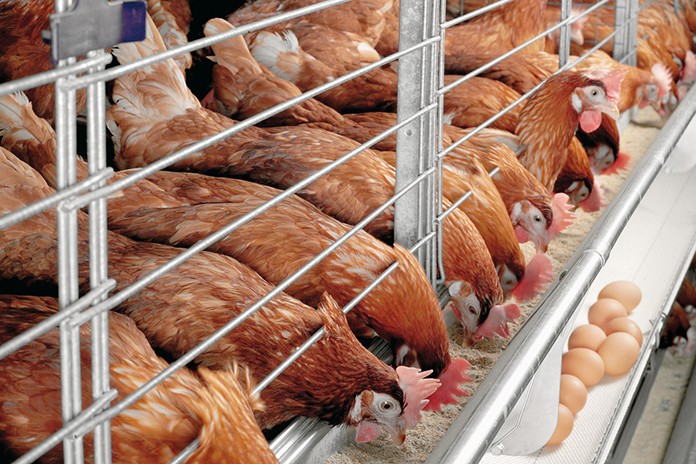
Researchers in Ethiopia have found that genetically modified (GMO) feed does not pose risks to livestock health or productivity, adding to growing evidence supporting its use in animal agriculture.
The study, conducted by scientists from Arba Minch University and Borena University in Ethiopia assessed the effects of GMO-based feed on livestock performance and health indicators.
The findings showed no significant differences between animals fed genetically modified feed and those given conventional diets in terms of growth, feed efficiency, and general wellbeing.
According to the researchers, the animals exhibited normal physiological responses, with no observable adverse effects linked to the consumption of GMO feed.
Key production metrics such as weight gain and feed conversion ratios remained consistent, suggesting that GMO feed can support standard livestock production systems without compromising output.
The results published in the Journal of Veterinary Medicine and Animal Health, indicate that genetically modified feeds are nutritionally equivalent to conventional feeds and do not negatively affect animal health.
The findings further note that GMO feed components are digested in the same way as traditional feed, with no accumulation of harmful substances in animal products.
The Ethiopian study also found no evidence of toxicity or health complications among livestock, addressing a long-standing concern among critics of biotechnology in agriculture.
Researchers emphasised that the safety of GMO feed has been widely evaluated globally, with consistent findings showing no measurable risks when approved products are used.
Experts say the findings could have significant implications for Ethiopia’s livestock sector, which plays a major role in the country’s economy but faces persistent challenges such as feed shortages and low productivity.
The adoption of GMO feed could help address these constraints by improving feed availability and potentially enhancing efficiency in animal production systems.
Biotechnology advocates argue that GMO crops used in animal feed can offer higher yields, resistance to pests, and improved nutritional profiles. These traits may help stabilise feed supply chains, particularly in regions vulnerable to climate variability.
However, the researchers caution that continued monitoring and regulatory oversight remain essential to ensure the safe and responsible use of genetically modified products in agriculture.
The study adds to a growing body of scientific evidence supporting the safety of GMO feed, potentially informing policy discussions and public perception in Ethiopia and across Africa, where debates over biotechnology adoption continue.